What to Expect From Affordable Mold Inspection Services in Florida: Your Complete Guide
Mold can lurk behind walls or under carpets without obvious signs, yet it jeopardizes health and property value across Florida’s humid climate. Affordable mold inspection services in Florida deliver professional assessments that reveal hidden contamination, guide safe remediation decisions, and restore peace of mind. In this guide, you’ll discover why certified inspections matter, how affordability goes beyond price, what to expect during a thorough evaluation, the optimal timing for scheduling an inspection, how Mold Safe Homes ensures trusted results, why mycotoxin testing matters, and the next steps toward a mold-safe home.
Why Is a Professional Mold Inspection Essential for Your Florida Home?
A professional mold inspection combines experienced evaluation with advanced tools to identify contamination, assess risks, and recommend targeted solutions. Certified inspectors apply standardized methods to measure moisture intrusion and spore levels, preventing speculative treatments that waste time and money. For instance, detecting hidden water leaks before visible mold appears can eliminate sources and avoid costly structural damage.
What Health Risks Does Mold Pose to Homeowners and Renters?
Mold spores and fragments can trigger allergic reactions, asthma exacerbation, and respiratory inflammation in sensitive individuals. Toxic species such as Stachybotrys chartarum release volatile compounds that may irritate lung tissue and provoke headaches or neurological symptoms. Addressing mold early protects vulnerable occupants and minimizes long-term health impacts.
Institute of Medicine (US) Committee on Damp Indoor Spaces and Health, “Damp Indoor Spaces and Health” (2004)
How Can Mold Cause Property Damage and Affect Indoor Air Quality?
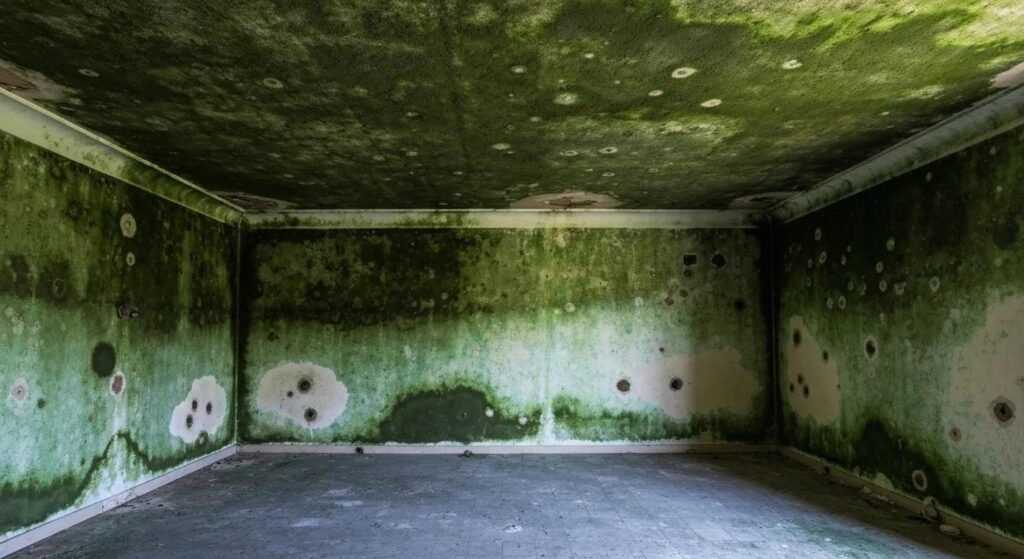
Unchecked mold feeds on cellulose—wood, drywall, and fabrics—weakening structural components and degrading finishes. As colonies expand, airborne spores elevate indoor air contamination, undermining HVAC efficiency and circulating allergens throughout living spaces. Recognizing mold’s dual threat to structures and air quality underscores the importance of expert inspection.
U.S. Environmental Protection Agency, “A Brief Guide to Mold, Moisture, and Your Home” (2023)
Why Early Mold Detection Saves Money and Stress in Florida’s Climate?
Florida’s year-round humidity and frequent storms accelerate mold proliferation after water intrusions. Early detection limits remediation scope, reduces potential litigation or insurance claims, and spares families the stress of extended displacement. Proactive inspections translate to lower restoration costs and a faster return to normalcy.
What Defines an Affordable Mold Inspection Service in Florida?
An affordable mold inspection service delivers comprehensive evaluation, accurate testing, and clear recommendations at competitive rates—prioritizing value over bargain pricing. By integrating thorough moisture mapping, targeted sampling, and unbiased reporting, a quality provider prevents hidden expenses from undetected contamination.
How Is Affordability Measured Beyond Just Price?
Affordability hinges on the completeness of the inspection, the reliability of findings, and the avoidance of unnecessary follow-up costs. A cost-effective service includes visual assessment, moisture detection, optional sampling, and a detailed report—ensuring no hidden issues demand additional fees later on.
What Factors Influence Mold Inspection Costs in Florida Homes?
Inspection fees reflect home size, sampling scope (air vs. surface), accessibility of crawlspaces or attics, and required laboratory analyses. Specialized tasks—such as mycotoxin screening—add laboratory charges. Seasonal demand after storms or high-humidity months can also affect pricing.
What Are Typical Cost Ranges for Mold Inspections in Southwest Florida?
Below is a general breakdown of inspection costs in Southwest Florida, based on square footage and sampling needs:
| Home Size | Standard Inspection (Visual + Moisture Scan) | With Air & Surface Sampling |
|---|---|---|
| Up to 1,500 sq ft | $300 – $450 | $450 – $650 |
| 1,500–2,500 sq ft | $450 – $600 | $650 – $900 |
| 2,500–4,000 sq ft | $600 – $800 | $900 – $1,200 |
What Happens During a Professional Mold Inspection? Step-by-Step Process Explained
A structured inspection process ensures no corner goes unchecked and all findings inform actionable recommendations.
How Does the Initial Consultation and Assessment Work?
Inspectors begin with a detailed interview, recording water damage history, visible mold concerns, and occupant health symptoms. This conversation guides targeted walkthroughs and sampling plans.
What Tools Are Used in the Visual Mold Inspection?
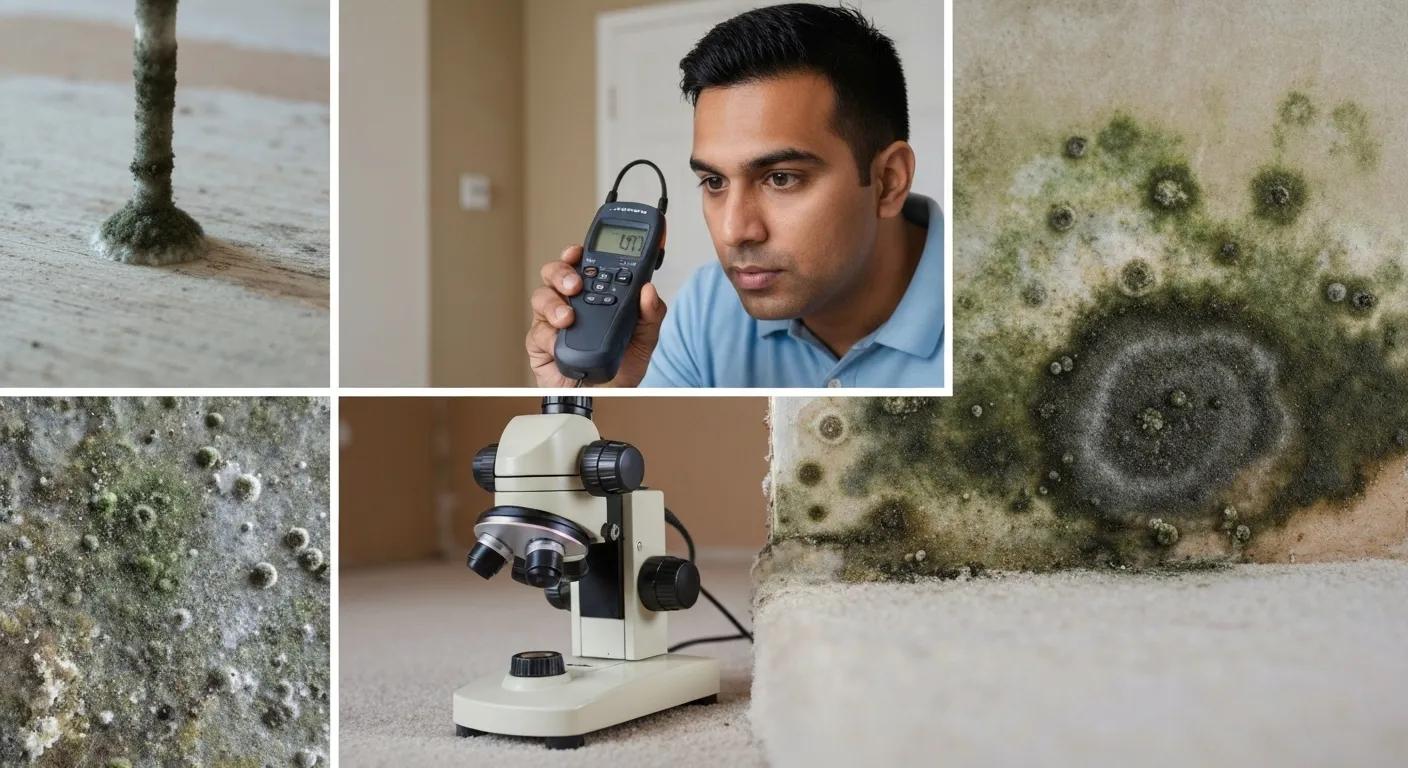
Certified inspectors employ moisture meters, infrared cameras, and airflow gauges to detect damp areas and hidden leaks. Moisture readings and thermal imaging reveal conditions conducive to microbial growth before mold becomes visible.
When and Why Is Mold Sampling Conducted?
Sampling—via spore traps for air or tape lifts for surfaces—is conducted when visual signs are inconclusive or occupants report unexplained symptoms. Testing clarifies species identification and quantifies spore concentrations for precise remediation planning.
How Are Samples Analyzed in the Laboratory?
Laboratory analysis sorts mold species, counts spore levels, and screens for mycotoxins. Advanced methods such as qPCR detect specific genetic markers, yielding detailed profiles of contamination severity and health risk potential.
What Information Is Included in the Mold Inspection Report?
A comprehensive report outlines inspection findings, moisture maps, sampling results, species identification, mycotoxin detection (if performed), and prioritized recommendations for remediation or prevention measures.
When Should You Schedule an Affordable Mold Inspection in Florida?
Timely inspections prevent minor moisture issues from developing into extensive mold growth, especially given Florida’s tropical climate.
What Are the Common Signs of Mold in Homes?
Visible discoloration on walls or ceilings, persistent musty odors, peeling paint around windows, and unexplained wood or drywall deterioration signal active mold colonies requiring evaluation.
How Do Health Symptoms Indicate the Need for Mold Inspection?
Chronic respiratory irritation, new‐onset allergies, headaches, or cognitive issues in formerly healthy individuals suggest possible mold exposure. Sensitive occupants should prioritize testing when symptoms coincide with time spent indoors.
Why Are Real Estate Transactions a Key Time for Mold Inspections?
Buyers and sellers benefit from objective assessments to avoid post-closing disputes. Certified reports support clear disclosures, protect legal interests, and facilitate informed negotiation over remediation responsibilities.
How Does Florida’s Humid Climate Increase Mold Risks?
High relative humidity—often exceeding 70% during summer months—combined with storm-related flooding creates ideal conditions for mold colonization. Routine inspections after heavy rains or in coastal zones help maintain healthy indoor environments.
How Does Mold Safe Homes Ensure Affordable and Trusted Mold Inspections?
Mold Safe Homes blends certified expertise, advanced technology, and local climate specialization to deliver high-value inspections at competitive prices.
What Certifications and Expertise Do Mold Safe Homes Inspectors Have?
Our team holds credentials from the American Council for Accredited Certification (ACAC) and the Institute of Inspection Cleaning and Restoration Certification (IICRC), ensuring adherence to industry standards and ethical practices.
How Does Advanced Technology Improve Mold Detection Accuracy?
State-of-the-art moisture meters, infrared imaging, and molecular mycotoxin assays reveal hidden contamination and quantify health risks that conventional inspections may overlook.
Why Is Florida Climate Specialization Important for Mold Inspections?
Deep familiarity with coastal weather patterns, hurricane-induced water intrusion, and seasonal humidity fluctuations allows tailored inspection protocols that address the unique challenges of Southwest Florida homes.
How Does Mold Safe Homes Provide a Compassionate and Unbiased Inspection?
We maintain conflict-free assessments by focusing strictly on inspection and testing, offering supportive guidance throughout the process and clear, actionable reports without upselling unnecessary services.
What Are Mycotoxins and Why Is Testing Important in Florida Mold Inspections?
Mycotoxins are toxic metabolites produced by certain mold species that pose serious health concerns when inhaled or ingested.
Compounds like trichothecenes and aflatoxins can impair respiratory function, suppress immunity, and trigger neurological symptoms. Chronic exposure elevates risks of severe outcomes in sensitive individuals.
Centers for Disease Control and Prevention, “Mold” (2023)
How Is Mycotoxin Testing Performed During Mold Inspections?

Inspectors collect dust or bulk samples and send them to specialized laboratories for ELISA or mass spectrometry analysis. Results quantify toxin concentrations, guiding medical and remediation decisions.
Who Should Consider Mycotoxin Testing in Florida Homes?
Households with chronic health issues, legal professionals handling mold litigation, and real estate transactions in high-risk properties benefit from advanced mycotoxin assessments.
What Are the Next Steps After an Affordable Mold Inspection?
After inspection, interpreting findings and choosing proven remediation strategies ensures a lasting, mold-free environment.
How to Interpret Your Mold Inspection Report and Recommendations?
Review spore counts, moisture readings, and species lists to prioritize high-risk areas. Follow guidance on containment, cleanup methods, and post-remediation clearance testing.
What Are Common Mold Remediation Options After Inspection?
| Remediation Approach | Scope | Benefit |
|---|---|---|
| HEPA Vacuuming | Non-porous surfaces | Removes settled spores and dust |
| Controlled Demolition | Severely contaminated materials | Eliminates hidden mold growth at the source |
| Antimicrobial Treatments | Surfaces and structural framing | Inhibits regrowth and spore germination |
| Drying & Humidity Control | Affected rooms and HVAC systems | Prevents recurrence by eliminating moisture |
How Can You Prevent Future Mold Growth in Florida Homes?
Implement humidity control (below 60%), maintain roof and plumbing integrity, ensure proper ventilation in bathrooms and kitchens, and schedule annual moisture scans to catch leaks early.
Frequently Asked Questions
What Should I Do If Mold Is Found During an Inspection?
If mold is detected during an inspection, the inspector will provide a detailed report outlining the findings and recommended remediation steps. It’s crucial to follow these recommendations promptly to prevent further growth and potential health risks. Depending on the severity, you may need to hire a professional remediation service to safely remove the mold and address the underlying moisture issues. Always ensure that the remediation process is thorough and that follow-up inspections are conducted to confirm the effectiveness of the treatment.
How Often Should I Schedule Mold Inspections in Florida?
In Florida’s humid climate, it’s advisable to schedule mold inspections at least once a year, especially before and after the rainy season. Additionally, consider inspections after significant water damage events, such as flooding or leaks. Regular inspections help catch potential mold growth early, allowing for timely intervention and preventing costly damage. If you notice any signs of mold or experience health symptoms, schedule an inspection immediately, regardless of the last inspection date.
Can I Perform a Mold Inspection Myself?
While homeowners can conduct a preliminary visual inspection for obvious signs of mold, a professional mold inspection is recommended for a thorough assessment. Certified inspectors use specialized tools and techniques to detect hidden mold and moisture issues that may not be visible to the untrained eye. They also provide accurate testing and analysis, ensuring that any mold present is correctly identified and addressed. DIY inspections may overlook critical areas, leading to incomplete remediation.
What Are the Long-Term Benefits of Regular Mold Inspections?
Regular mold inspections can significantly enhance the health and safety of your home. They help identify moisture problems before they escalate, reducing the risk of extensive mold growth and costly remediation. Additionally, maintaining a mold-free environment can improve indoor air quality, which is essential for the health of all occupants, especially those with respiratory issues. Furthermore, regular inspections can protect your property value by preventing structural damage associated with mold infestations.
How Can I Prepare for a Mold Inspection?
To prepare for a mold inspection, ensure that the inspector has access to all areas of your home, including attics, basements, and crawlspaces. Clear away any clutter that may obstruct access to potential problem areas. It’s also helpful to gather any relevant information about past water damage or mold issues, as this can assist the inspector in their assessment. Lastly, be ready to discuss any health symptoms experienced by occupants, as this information can guide the inspection process.
What Should I Expect After the Mold Inspection?
After the mold inspection, you will receive a comprehensive report detailing the findings, including any identified mold species, moisture levels, and recommendations for remediation. The inspector may also provide guidance on preventing future mold growth. If mold is found, you will need to decide on the next steps, which may include hiring a remediation service. Follow-up inspections may also be necessary to ensure that the remediation was successful and that no new mold growth has occurred.
How Long Does a Mold Inspection Usually Take?
A standard visual and moisture assessment in a 2,000 sq ft home takes two to three hours, with sampling add-ons requiring an additional 30–60 minutes.
Is Mold Testing Always Necessary During an Inspection?
Testing is recommended when visual signs are absent or health symptoms persist; sampling confirms species and spore levels, ensuring targeted remediation.
How Can Property Managers and Legal Professionals Benefit from Mold Inspections?
Certified reports document findings objectively, support lease agreements and real estate transactions, and minimize liability by establishing baseline conditions.
What Should You Look for When Choosing a Certified Mold Inspector?
Prioritize inspectors with ACAC and IICRC certifications, a conflict-free reporting process, local climate expertise, and transparent pricing. Mold Safe Homes combines certified expertise, advanced detection methods, and compassionate service to deliver affordable mold inspections that protect your health and property value. Our detailed reports and clear recommendations empower you to address issues swiftly and prevent costly remediation down the road. Schedule your inspection today to ensure a mold-free environment and breathe easier in your Florida home.
Conclusion
Mold Safe Homes combines certified expertise, advanced detection methods, and compassionate service to deliver affordable mold inspections that protect your health and property value. Our detailed reports and clear recommendations empower you to address issues swiftly and prevent costly remediation down the road. Schedule your inspection today to ensure a mold-free environment and breathe easier in your Florida home. Take the first step towards a healthier living space by contacting us now.