Why Choose Affordable Mold Inspection Services in Florida Today
A timely, affordable mold inspection service can safeguard your home, health, and investment by detecting hidden fungal growth before it escalates. With Florida’s high humidity and frequent water incidents, mold can appear behind walls or beneath flooring without notice, putting occupants at risk. In this article, you will discover:
- What an affordable mold inspection service entails and how it works
- The key benefits for health, property value, and peace of mind
- Typical costs in Florida and factors that influence pricing
- Health risks of mold exposure and the role of early detection
- Florida-specific licensing, regulations, and consumer rights
- Optimal timing to schedule an inspection and choosing the right provider
- Post-inspection steps, report interpretation, and prevention strategies
- Common inquiries about costs, value, process distinctions, and health impacts
By the end, you’ll understand why Moldsafehomes.com’s certified inspectors deliver expert mold testing and consultation with local expertise and cost-effective solutions.
What Is an Affordable Mold Inspection Service and How Does It Work?
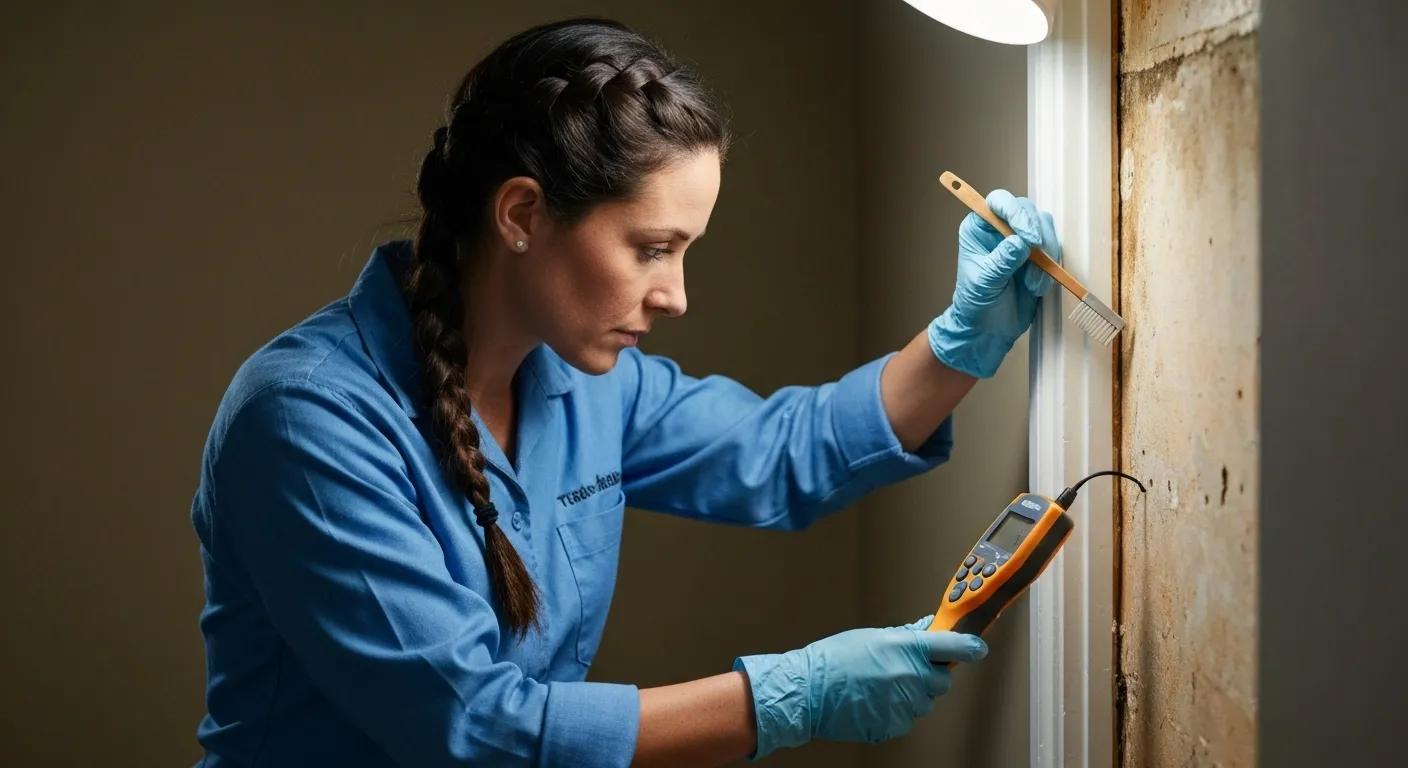
An affordable mold inspection service combines a visual assessment, moisture detection, targeted sampling, and lab analysis to identify fungal presence, quantify spore concentrations, and inform remediation planning. This streamlined approach leverages moisture meters and infrared imaging to locate hidden growth, then applies air and surface sampling to confirm species and levels, ensuring homeowners receive clear, actionable results.
Certified inspectors follow these core steps:
- Conduct a thorough visual inspection of walls, ceilings, crawlspaces, and HVAC systems
- Use moisture meters and infrared cameras to detect elevated dampness
- Collect air and surface samples for professional mold testing
- Send samples to an accredited lab for species identification and concentration analysis
- Prepare a detailed report with findings, risk assessment, and remediation recommendations
These procedures detect both visible and concealed mold, setting the stage for understanding specific benefits that come from early detection and targeted action.
What Does a Professional Mold Inspection Include?

A full assessment includes structural review, moisture mapping, sample collection, and air-quality measurement, then integrates lab results into a comprehensive report. By combining visual cues with quantitative data, the inspection service identifies contamination hotspots and establishes a remediation roadmap.
How Does Mold Testing Complement Mold Inspection?
Mold testing provides precise data on spore counts and species through lab analysis, confirming suspected areas flagged during visual inspection. This synergy ensures accurate risk evaluation and tailored remediation strategies that safeguard occupants’ health.
Who Performs Certified Mold Inspections in Florida?
Licensed mold assessors certified by the Florida Department of Business and Professional Regulation conduct inspections, ensuring compliance with state statutes and impartial reporting. Their credentials and ongoing training guarantee reliable, authoritative assessments.
Why Is Local Expertise Important for Mold Inspection in Florida?
Florida’s humid climate and regional building practices influence mold growth patterns. Local inspectors understand common hotspots—bathrooms, attics, crawlspaces—and respond rapidly to emergency situations, minimizing delays and reducing spread.
What Are the Key Benefits of Choosing Affordable Mold Inspection Services?
An affordable mold inspection delivers early detection of hidden fungal growth, quantitative risk assessment, and expert guidance on safe remediation—all without excessive expense. These advantages translate into tangible health, financial, and emotional gains.
- Health Protection – Identifies indoor mold before it triggers allergies, asthma flares, or respiratory infections
- Property Preservation – Prevents structural decay, paint damage, and drywall deterioration
- Peace of Mind – Offers clear understanding of indoor air quality and contamination levels
- Accessibility – Affordable pricing broadens access to certified assessments and professional recommendations
These benefits underpin the value proposition of cost-effective inspection services and lead directly into considerations of typical pricing in Florida.
How Does Mold Inspection Protect Your Health?
By detecting allergenic and toxic species early, inspection mitigates exposure to mycotoxins and spore loads that can trigger cough, wheeze, and immune reactions, especially in sensitive individuals. This proactive step reduces the likelihood of chronic respiratory issues.
How Does Mold Inspection Safeguard Property Value?
Early identification of moisture intrusion and mold prevents costly structural repairs—such as rotted framing or weakened drywall—and preserves resale value by documenting a mold-free environment for prospective buyers.
What Peace of Mind Does Early Mold Detection Provide?
Knowing your home is free from hidden fungal hazards alleviates stress and supports a healthier living environment, particularly for families with children, the elderly, or immune-compromised occupants.
How Does Affordability Increase Access to Professional Mold Services?
Lower inspection fees allow more homeowners and renters to engage certified assessors, ensuring widespread adoption of preventative measures rather than delayed or DIY approaches that can miss concealed growth.
How Much Does Affordable Mold Inspection Cost in Florida?
An affordable mold inspection in Florida generally ranges from $300 to $1,000, with an average cost around $600 to $700, depending on property size, number of test locations, and chosen laboratory methods.
Angi, “Mold Inspection Cost” (2024)
Transparent pricing helps homeowners budget effectively and compare service levels.
Home inspections include sample collection (air, surface) and lab analysis. Optional add-ons—such as bulk sampling or additional locations—adjust final fees.
| Home Size (sq ft) | Standard Inspection Fee | Sample Count Included |
|---|---|---|
| Under 1,000 | $300–$450 | 3 |
| 1,000–2,000 | $450–$700 | 5 |
| Over 2,000 | $700–$1,000 | 7 |
Costs reflect trained assessors, professional laboratory analysis, and a detailed report. Additional sampling or air-quality tests may add $50–$150 per location, offering deeper insights into hidden contamination.
What Factors Influence Mold Inspection Pricing?
Home size, number of sampling points, type of laboratory analysis, and urgency (emergency response) shape final costs. Geographic variations across South Florida and the Panhandle can also affect travel fees.
How Does Mold Testing Cost Compare to Full Inspection?
Standalone mold testing—without visual assessment—typically costs $200–$500 for air or surface sampling, offering limited scope versus a comprehensive inspection that combines visual cues, moisture detection, and lab confirmation.
Are There Financing or Budget-Friendly Options Available?
Flexible payment plans and discounted packages for multi-unit properties expand access. Some providers partner with home-service financing companies to break fees into monthly installments.
How to Understand Your Mold Inspection Cost Breakdown?
Itemized invoices list assessor time, equipment use, sample collection, lab fees, and report preparation. Clear line items foster transparency and support homeowner decision-making.
What Are the Health Risks Associated with Mold Exposure?
Exposure to indoor mold can cause a spectrum of health issues, from mild allergic reactions to severe respiratory distress. Understanding these risks emphasizes the importance of early detection through professional inspection.
Centers for Disease Control and Prevention (CDC), “Mold”
| Mold Type | Health Threat Level | Common Symptoms |
|---|---|---|
| Stachybotrys (Black Mold) | High | Severe cough, headaches, and in some cases, respiratory issues |
| Aspergillus | Moderate | Wheezing, sore throat, and in some cases, infections in immunocompromised individuals |
| Cladosporium | Low to Moderate | Eye irritation, runny nose |
| Penicillium | Low | Sneezing, skin rash |
Children, the elderly, and immune-compromised individuals face the greatest vulnerability, with prolonged exposure contributing to chronic sinusitis, asthma exacerbation, and increased infection risk. These health concerns underscore the value of timely mold inspections.
Which Mold Types Pose the Greatest Health Threats?
Toxic molds like Stachybotrys chartarum produce mycotoxins that irritate the respiratory tract and can impair immune function. Allergenic species such as Cladosporium trigger nasal congestion and skin reactions.
What Symptoms Indicate Mold-Related Health Issues?
Persistent sneezing, coughing, wheezing, itchy eyes, and unexplained headaches signal possible mold exposure. Chronic fatigue and recurrent sinus infections may also trace back to indoor fungal growth.
Who Is Most Vulnerable to Mold Exposure?
Infants, seniors, asthmatics, and individuals with weakened immune systems face heightened risks. Mold-sensitive people often experience severe reactions at lower spore concentrations.
How Can Mold Inspection Help Prevent Health Problems?
By pinpointing hidden growth and quantifying spore loads, inspections inform targeted remediation—reducing indoor spore counts and preventing the escalation of symptoms linked to prolonged exposure.
What Are Florida-Specific Mold Inspection Laws and Regulations?
Florida law mandates separate, licensed roles for mold assessors and mold remediators to prevent conflicts of interest and ensure impartial reporting.
Florida Department of Business and Professional Regulation (DBPR), “Mold Assessors and Remediators”
Understanding these requirements protects homeowners and tenants.
- Licensing Requirements: Assessors must hold a DBPR-issued Mold Assessor license; remediators require a separate certification.
- Separation of Duties: Assessors cannot perform remediation on properties they inspect, ensuring unbiased risk assessments.
- Consumer Protections: Homeowners and tenants have rights to competitive bids, full disclosure of test results, and transparent pricing.
- Environmental Considerations: Florida’s humid climate accelerates mold growth, demanding frequent inspections and proactive moisture control.
What Are the Licensing Requirements for Mold Assessors and Remediators?
Both roles require passing state exams, meeting experience criteria, and completing continuing education to maintain certification. This ensures professionals stay current with best practices.
Why Must Mold Inspection and Remediation Be Separate in Florida?
Legal separation eliminates incentives to recommend unnecessary remediation and preserves assessor objectivity, safeguarding consumer interests and fostering trust in reported findings.
What Rights Do Homeowners and Tenants Have Regarding Mold?
Consumers can request detailed lab reports, demand competitive quotes, and file complaints with DBPR for license violations, ensuring transparency and accountability.
How Do Florida’s Humid Climate Conditions Affect Mold Growth?
Year-round moisture encourages rapid colonization of fungal spores in crawlspaces, attics, and behind walls, making regular inspections essential for early detection and control.
When Should You Schedule an Affordable Mold Inspection?
Prompt inspections are crucial after moisture events or upon noticing telltale signs. Scheduling at the right moment prevents small issues from becoming major health or structural hazards.
- After any water intrusion event, such as flooding, burst pipes, or leaks
- When you detect musty odors, visible discoloration, or dark spots on surfaces
- As part of routine home maintenance—every 1–2 years in humid regions
- Immediately in emergency scenarios, such as roof collapse or severe storms
Timely scheduling averts prolonged exposure and costly repairs, steering homeowners toward safer, healthier indoor environments.
What Are the Common Signs You Need a Mold Inspection?
Musty smells, water stains, peeling paint, and unexplained health symptoms often indicate hidden growth. These cues warrant a professional evaluation to confirm contamination.
How Does Recent Water Damage Increase Mold Risk?
Moisture from leaks or floods saturates materials, creating ideal conditions for spore germination and fungal proliferation within 24–48 hours.
When Is Emergency Mold Inspection Necessary?
After severe flooding, major leaks, or after discovering extensive visible growth, emergency inspections identify and contain mold before it spreads further.
How Often Should Routine Mold Inspections Be Conducted?
In Florida’s humid climate, a full inspection every 12–24 months helps catch early growth, while localized assessments follow any moisture event or health complaints.
How to Choose the Right Affordable Mold Inspection Service in Florida?
Selecting a qualified provider involves verifying credentials, independence, and local reputation to ensure trustworthy results and effective solutions.
- Confirm state licensure for mold assessors under DBPR regulations
- Ensure the inspector does not offer remediation to avoid conflict of interest
- Evaluate customer reviews, response times, and service area coverage
- Prepare questions on sampling methods, lab accreditation, and report turnaround
What Credentials and Certifications Should Inspectors Have?
Look for a Florida DBPR Mold Assessor license, NORMI or ACAC affiliations, and documented continuing education to guarantee expertise and ethical practice.
Why Is Independence from Mold Remediation Important?
An unbiased inspector provides objective findings and tailored remediation plans without financial incentives to recommend unnecessary work.
How to Evaluate Local Mold Inspection Companies?
Review testimonials, verify service areas, compare sample packages, and ask about emergency response availability to gauge reliability and value.
What Questions Should You Ask Before Booking an Inspection?
Inquire about included sampling points, lab partnerships, report format, turnaround times, and any additional fees to ensure clarity and avoid surprises.
What Happens After Your Mold Inspection? Understanding Reports and Next Steps
After an inspection, you receive a detailed report summarizing findings, risk levels, and recommended actions—forming the blueprint for safe remediation and future prevention.
- Review the executive summary highlighting areas of concern and spore concentrations
- Examine lab results detailing species identification and quantitative analysis
- Follow recommendations for containment, remediation protocols, and moisture control
- Implement prevention strategies—ventilation improvements, humidity regulation, and periodic monitoring
Clear understanding of these steps empowers homeowners to manage remediation effectively and maintain a healthy environment.
How to Read and Interpret Your Mold Inspection Report?
Focus on identified “high-risk” areas, spore count comparisons to outdoor baselines, and species toxicity levels to prioritize remediation efforts.
What Are Typical Recommendations Following Inspection?
Common suggestions include localized containment, HEPA vacuuming, antimicrobial treatments, and improved ventilation or dehumidification systems.
How Does Mold Remediation Differ from Inspection?
Inspection assesses contamination scope and risk, while remediation involves physical removal, cleaning, and restoration under containment protocols.
What Are Effective Mold Prevention Strategies After Inspection?
Maintain indoor humidity below 50%, fix leaks promptly, ensure adequate airflow in attics and crawlspaces, and schedule routine moisture assessments.
What Are Common Questions About Affordable Mold Inspection Services?
Many homeowners ask about costs, value, process details, and health implications when considering mold assessments. Below are concise insights addressing these frequent concerns.
How Much Does an Affordable Mold Inspection Cost in Florida?
An inspection typically falls between $300 and $1,000, averaging around $600 to $700, based on home size, number of samples, and lab analysis methods.
Is Mold Inspection Worth the Investment?
Professional inspections identify hidden growth, prevent health risks, and protect property value—often saving thousands in future repairs and medical expenses.
What Does a Mold Inspection Process Involve?
Certified inspectors perform visual surveys, moisture detection, air and surface sampling, then compile lab-verified data into a comprehensive report with remediation guidance.
Can Mold Make You Sick?
Exposure to elevated spore counts and mycotoxins can trigger respiratory issues, allergic reactions, and exacerbate asthma, especially in vulnerable individuals.
What Is the Difference Between Mold Inspection and Remediation?
Inspection evaluates and documents mold presence and risk, while remediation entails the physical removal, cleaning, and restoration of contaminated areas.
A comprehensive, affordable mold inspection offers Florida homeowners early detection of hidden fungal growth, expert risk assessment, and clear remediation guidance. By choosing a certified, independent assessor, you protect your family’s health, preserve property value, and gain peace of mind. Schedule your inspection now with trusted local professionals who understand Florida’s unique climate challenges and regulatory requirements.
Conclusion
A comprehensive, affordable mold inspection offers Florida homeowners early detection of hidden fungal growth, expert risk assessment, and clear remediation guidance. By choosing a certified, independent assessor, you protect your family’s health, preserve property value, and gain peace of mind. Don’t wait for mold issues to escalate; schedule your inspection today with trusted local professionals who understand Florida’s unique climate challenges. Take the proactive step towards a healthier home environment now.