
Affordable Mycotoxin Testing Services in Florida: Comprehensive Guide to Protect Your Home and Health
Every year, thousands of Florida homes harbor hidden mycotoxins that compromise indoor air quality and threaten resident well-being. This guide explains how affordable mycotoxin testing in Florida uncovers toxic mold compounds, prevents chronic health issues, and safeguards property value. You will learn what mycotoxins are, why Florida’s climate accelerates their growth, the symptoms they cause, the full range of testing services—environmental and human urine analyses—cost considerations, the most common toxins in Florida, our step-by-step testing process, remediation and prevention strategies, who benefits most from testing, common homeowner concerns, and why Mold Safe Homes stands out for expertise, affordability, and client satisfaction.
What Are Mycotoxins and Why Is Testing Important in Florida?
Mycotoxins are toxic secondary metabolites produced by mold species during growth, which interfere with human immune and neurological functions. Testing for these compounds in Florida is crucial because year-round heat and humidity create ideal conditions for mold proliferation. Early detection through professional assessment minimizes health risks and supports timely remediation efforts.
What Are Mycotoxins and How Do They Affect Health?
Mycotoxins are chemical byproducts released by fungi such as Aspergillus, Stachybotrys, Fusarium and Penicillium during colonization. These compounds bind to cellular receptors, triggering inflammatory responses, oxidative stress and immune dysregulation. For example, ochratoxin A interferes with kidney function and aflatoxin B1 is a known carcinogen, highlighting the importance of precise detection and timely intervention.
World Health Organization (WHO), Mycotoxins, (2018)
[The Health Effects of Mycotoxins]
Mycotoxins, produced by molds like Aspergillus, Stachybotrys, and Fusarium, can trigger inflammatory responses, oxidative stress, and immune dysregulation in humans. Ochratoxin A, for example, can interfere with kidney function, and aflatoxin B1 is a known carcinogen, highlighting the importance of early detection and intervention.
This research supports the article’s claims about the health risks associated with mycotoxin exposure and the importance of identifying and addressing these toxins.
Understanding these mechanisms leads us to examine how local climate accelerates mycotoxin growth.
Why Is Florida’s Climate Prone to Mold and Mycotoxin Growth?
Florida’s subtropical environment features average humidity levels above 70% and frequent rainfall, creating moisture-rich building materials that mold exploits. High indoor humidity—often exceeding 60%—promotes fungal sporulation and mycotoxin release, especially in poorly ventilated areas. This perpetual moisture challenge makes regular mycotoxin screening essential for Floridians.
United States Environmental Protection Agency (EPA), A Brief Guide to Mold, Moisture, and Your Home, (2023)
[Florida's Climate and Mold Growth]
Florida’s high humidity and frequent rainfall create ideal conditions for mold growth, which can lead to increased mycotoxin production. High indoor humidity, often exceeding 60%, promotes fungal sporulation and mycotoxin release, especially in poorly ventilated areas, making regular mycotoxin screening essential for Floridians.
This citation reinforces the article’s discussion of Florida’s climate and its impact on mold and mycotoxin growth, emphasizing the need for testing and prevention.
What Are Common Symptoms of Mycotoxin Exposure?
Exposure to mycotoxins can manifest as cognitive impairment, respiratory distress and systemic inflammation.
- Chronic fatigue and “brain fog” result from toxin-induced neuroinflammation.
- Respiratory issues such as asthma exacerbation and chronic cough occur when airborne mycotoxins irritate lung tissue.
- Immune suppression and skin rashes arise from systemic distribution of toxins.
People experiencing these symptoms often benefit from comprehensive testing that identifies specific mycotoxin agents.
How Does Mold Produce Mycotoxins?
Mold synthesizes mycotoxins through specialized metabolic pathways when environmental conditions—temperature, moisture and substrate—trigger secondary metabolism.
- Spore Germination – Hyphal networks colonize damp surfaces.
- Secondary Metabolism Activation – Nutrient depletion induces toxin production.
- Mycotoxin Secretion – Compounds diffuse into air, dust and building materials.
Understanding this sequence underscores why sampling air, dust and surfaces yields the most reliable contamination profile.
Which Mycotoxin Testing Services Are Available in Florida?
Professional mycotoxin testing in Florida encompasses environmental assays, human urine analyses and comparative evaluations against DIY kits. Mold Safe Homes integrates certified inspector expertise with laboratory precision to deliver actionable results.
What Types of Mycotoxin Tests Does Mold Safe Homes Offer?
Mold Safe Homes provides:
- Environmental Air Sampling for airborne toxins.
- Dust and Surface Swabs to detect settled mycotoxins.
- Human Urine Mycotoxin Profiles to evaluate internal exposure.
How Is Environmental Mycotoxin Testing Conducted?
Environmental testing begins with calibrated air pumps drawing indoor air through specialized filters that capture mycotoxin-laden particles. Surface swabs and dust collectors target areas prone to mold colonization such as HVAC vents and crawlspaces. Samples are sent to ISO-accredited labs, where high-performance liquid chromatography (HPLC) identifies and quantifies individual mycotoxins.
This precise methodology ensures detection of even trace levels, guiding targeted remediation.
What Is Human Mycotoxin Urine Testing and When Is It Recommended?
Human urine testing quantifies metabolites of mycotoxins like ochratoxin A, trichothecenes and aflatoxins, reflecting internal toxin burden. This test is recommended for individuals with chronic inflammation, neurological symptoms or unexplained respiratory issues. By correlating lab results with clinical symptoms, environmental findings and medical history, our consultants craft personalized mitigation strategies.
How Do Professional Tests Compare to DIY Mycotoxin Test Kits?
| Testing Method | Detection Range | Accuracy Level | Expert Interpretation |
|---|---|---|---|
| DIY Kits | Limited to one or two toxins | Moderate (±30%) | None |
| Professional Labs | Broad spectrum (10+ toxins) | High (±5%) | Detailed report with guidance |
How Much Does Mycotoxin and Mold Testing Cost in Florida?
Transparent pricing and cost factors help homeowners budget for effective assessments. Mold Safe Homes emphasizes affordability without compromising accuracy.
What Factors Influence the Cost of Mycotoxin Testing?
Testing costs vary based on:
- Scope of Sampling – Number of areas and sample types.
- Type of Assay – Environmental panels vs. urine profiles.
- Laboratory Fees – Accreditation and turnaround time.
- Travel and Inspection Time – Geographic location and property size.
These variables determine the final investment required for comprehensive testing.
How Does Mold Inspection Cost Vary Across Florida Regions?
Urban centers like Miami or Orlando often involve higher travel and permit fees, while suburban and rural areas may incur extra mileage charges. For an average single-family home:
- Miami-Dade: $450–$650
- Orlando Metro: $400–$600
- Panhandle: $350–$550
These regional variations reflect local demand and logistical requirements.
Are There Affordable Testing Options for Homeowners and Property Managers?
Mold Safe Homes offers tiered packages—basic environmental screening, standard comprehensive panels and advanced combined environmental-human profiles—designed to match budgets without sacrificing diagnostic depth. Seasonal promotions and bundled inspection-testing discounts further reduce out-of-pocket expenses for regular property managers and homeowner associations.
What Are the Most Common Mycotoxins Tested in Florida Homes?
Florida dwellings frequently harbor several mycotoxins linked to adverse health outcomes. Identifying these agents supports targeted remediation.
What Is Ochratoxin A and How Is It Tested?
Ochratoxin A is a nephrotoxic compound produced by Aspergillus and Penicillium species. It is measured via HPLC-fluorescence in air, dust and urine samples. Early detection of ochratoxin aids in preventing kidney inflammation and immune suppression.
How Does Aspergillus Affect Indoor Air Quality and Health?
Aspergillus genera secrete aflatoxins and sterigmatocystin, impairing immune response and causing respiratory irritation. Regular air sampling for Aspergillus-derived mycotoxins helps maintain safe indoor air quality and reduces asthma triggers.
Why Is Black Mold (Stachybotrys) Testing Critical in Florida?
Stachybotrys chartarum thrives in chronically damp environments, producing trichothecenes that damage mucosal tissues and nervous system cells. Surface swabs analyzed by GC-MS pinpoint Stachybotrys growth early, preventing severe inflammation and neurological symptoms.
What Are Fusarium and Penicillium Mycotoxins?
Fusarium species generate trichothecenes and fumonisins linked to systemic toxicity, while Penicillium produces mycophenolic acid and ochratoxin with immunosuppressive effects. Comprehensive testing panels screen for these toxins, ensuring no common mycotoxin goes undetected.
What Is the Step-by-Step Process for Mycotoxin Testing with Mold Safe Homes?
Our structured process guarantees consistency, transparency and actionable insights from start to finish.
How Do You Schedule and Prepare for a Mycotoxin Test?
Clients contact Mold Safe Homes to discuss property size, areas of concern and testing goals. A confirmation email outlines sampling locations, occupant safety guidelines and pre-inspection preparation—such as halting HVAC and closing windows prior to arrival.
What Happens During the Mold and Mycotoxin Inspection?
A certified environmental consultant surveys interior spaces, measuring humidity and identifying visible mold. The inspector collects air, dust and surface samples using calibrated equipment and follows strict chain-of-custody protocols to preserve sample integrity.
How Are Test Samples Collected and Analyzed?
Collected samples are sealed, labeled and couriered to an accredited lab where technicians perform HPLC, GC-MS and immunoassays. Each mycotoxin is quantified to precise parts-per-billion levels, and cross-contamination checks ensure reliable results.
How Do You Receive and Understand Your Test Results?
Within 7–10 business days, clients receive a detailed report summarizing toxin concentrations, risk thresholds and customized recommendations. A follow-up consultation explains findings, remediation priorities and preventive measures to restore a safe indoor environment.
How Can Mold Remediation and Prevention Protect Against Mycotoxin Exposure?
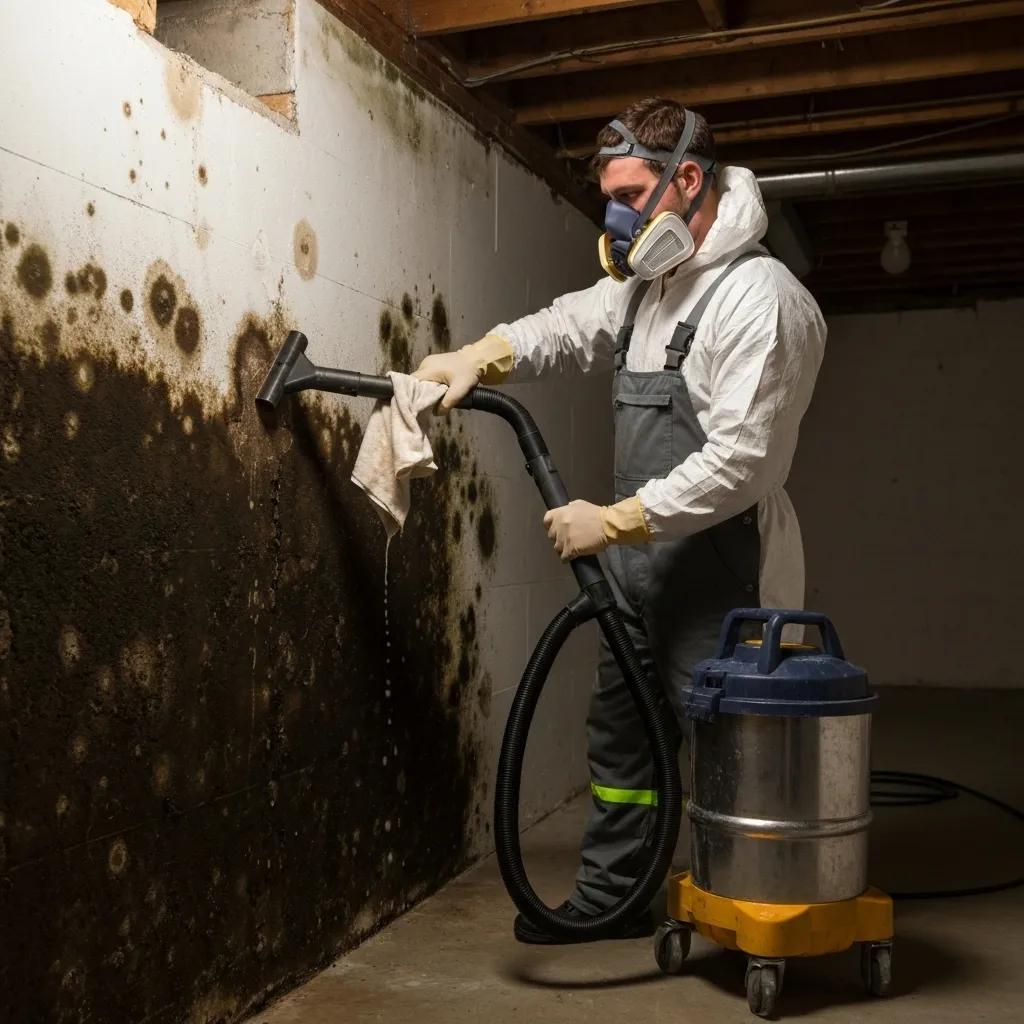
Effective remediation removes mold sources, while prevention stops mycotoxin formation before it starts.
What Are Effective Mold Remediation Services in Florida?
Professional remediation includes containment of affected areas, HEPA-filtered air scrubbing, material removal and antimicrobial treatments. Post-remediation verification testing confirms that spore counts and mycotoxin levels have returned to safe thresholds.
American Industrial Hygiene Association (AIHA), Facts About Mold, (2024)
[Mycotoxin Testing and Remediation]
Professional mycotoxin testing involves environmental assays and human urine analyses to assess exposure levels. Effective remediation includes containment of affected areas, HEPA-filtered air scrubbing, material removal, and antimicrobial treatments. Post-remediation verification testing confirms that spore counts and mycotoxin levels have returned to safe thresholds.
This research supports the article’s explanation of the testing process, remediation strategies, and the importance of professional services for accurate results and effective solutions.
How Does Mold Inspection Support Prevention Efforts?
Routine inspections identify moisture intrusion, HVAC leaks and early mold colonization. By addressing these issues promptly, property owners prevent mycotoxin production and minimize long-term health risks.
What Are Best Practices to Prevent Mold Growth in Florida Homes?
Maintain indoor relative humidity below 50%, repair leaks promptly, ensure adequate ventilation in kitchens and bathrooms, and use dehumidifiers in high-risk zones. These practices stop mold proliferation and eliminate the conditions necessary for mycotoxin synthesis.
Who Should Consider Mycotoxin Testing in Florida?
Certain populations and property types benefit most from targeted assessments.
Why Is Mycotoxin Testing Important for Homeowners?
Families with young children, elderly residents or individuals with compromised immune systems require clear data on indoor toxin levels. Testing stabilizes indoor air quality and supports long-term health initiatives.
How Do Property Managers Benefit from Regular Mold and Mycotoxin Testing?
Routine screening protects tenant health, reduces turnover and preserves property value by catching moisture issues before extensive damage occurs. Documented test reports enhance leasing and resale credibility.
What Are the Legal Implications of Mold and Mycotoxin Testing in Florida?
Professional test reports serve as admissible evidence in real estate transactions, insurance claims and tenant-landlord disputes. Certified documentation by Mold Safe Homes establishes clear timelines and expert testimony when needed.
What Are Frequently Asked Questions About Mycotoxin Testing in Florida?
Homeowners often wonder about cost ranges, testing feasibility, best available tests and how to locate certified inspectors. Common concerns include pricing transparency, the accuracy of home‐test kits compared with professional services, and steps to take after receiving test results. Summarizing these themes helps prospective clients understand typical next steps and prepare for a testing engagement.
Why Choose Mold Safe Homes for Affordable Mycotoxin Testing in Florida?
Mold Safe Homes combines technical excellence with personalized service to deliver reliable, budget-friendly testing solutions across the Sunshine State.
What Makes Mold Safe Homes a Trusted Expert in Mold and Mycotoxin Testing?
Our team holds industry certifications in environmental consulting and mold remediation, adheres to rigorous laboratory partnerships, and follows EPA and AIHA guidelines for sampling and analysis. Years of experience ensure consistent, reproducible results.
How Does Mold Safe Homes Ensure Affordable and Accessible Testing?
We offer transparent, tiered pricing packages, seasonal promotions, financing options and mobile sampling units that reduce travel fees. Bulk testing rates for multi-unit properties further lower per‐unit costs without compromising quality.
What Do Customers Say About Mold Safe Homes’ Testing Services?
Clients praise our thorough reporting, prompt communication and follow-up consultations that clarify results and next steps. Many highlight the peace of mind gained from knowing their home and family are protected from unseen mold toxins.
Protect your health and property with professional, affordable mycotoxin testing from Mold Safe Homes—schedule your assessment today and breathe easier tomorrow.
Conclusion
Investing in mycotoxin testing is essential for safeguarding your health and home in Florida’s humid climate. By identifying harmful mold compounds early, you can prevent chronic health issues and protect your property value. Mold Safe Homes offers affordable, reliable testing services tailored to your needs. Schedule your assessment today to ensure a safe and healthy living environment.