
Top Mycotoxin Testing Services for Your Peace of Mind: Comprehensive Solutions for Healthy Indoor Environments
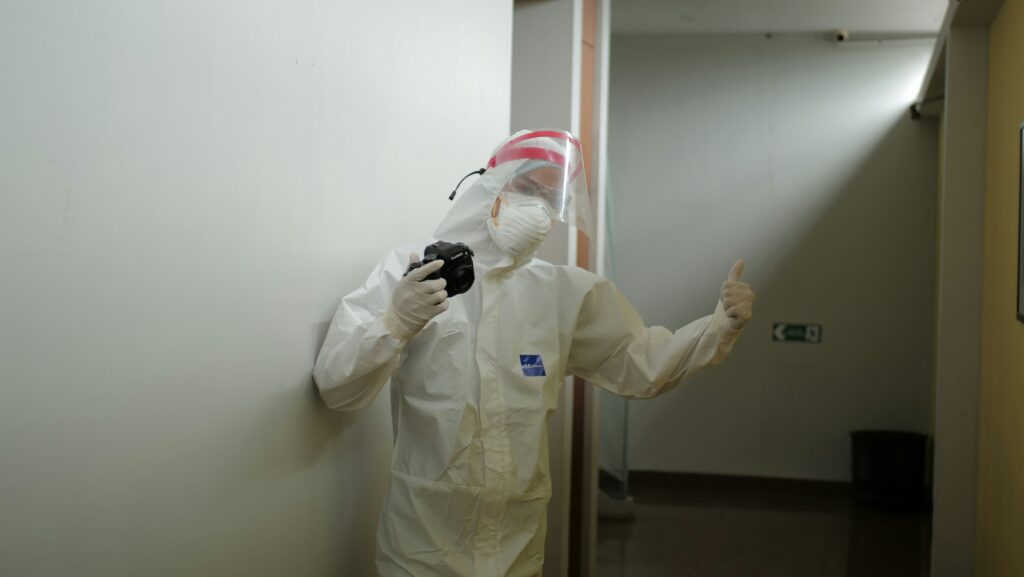
Professional mycotoxin testing involves sampling and laboratory analysis to detect toxic fungal metabolites, ensuring precise identification of hazards and safeguarding indoor air quality. Homeowners and property managers frequently encounter hidden mold growth that produces mycotoxins, which can compromise health and property value. In this article, you will discover why professional assessment is indispensable, how the testing process unfolds, the range of methods available, cost factors, lab selection criteria, remediation strategies, and the tangible benefits of comprehensive testing. With expert insights and real-world examples, you’ll gain the confidence to secure your environment and protect your family’s well-being without missing a critical step.
Why Is Professional Mycotoxin Testing Essential for Your Home or Property?
Professional mycotoxin testing combines environmental science and advanced chemistry to identify toxic compounds produced by mold, reducing health risks and preserving property integrity. Engaging certified consultants guarantees accurate sampling, accredited laboratory analysis, and expert interpretation. For instance, detecting ochratoxin A in a damp basement allows targeted remediation before health issues emerge.
What Are Mycotoxins and How Do They Affect Health?
Mycotoxins are toxic secondary metabolites produced by certain molds that impair human and animal health through inhalation, ingestion, or dermal contact. These compounds interfere with cellular function, causing inflammation, immune suppression, and neurological damage. For example, exposure to trichothecenes can trigger headaches, respiratory distress, and chronic fatigue in sensitive individuals.
World Health Organization (WHO), (2023)
Health Effects of Mycotoxins
Mycotoxins can cause a variety of adverse health effects, ranging from acute poisoning to long-term effects such as immune deficiency and cancer.
Having established the imperative for professional assessment, let’s examine the practical steps that constitute a thorough mycotoxin testing process.
How Does the Mycotoxin Testing Process Work? Step-by-Step Guide
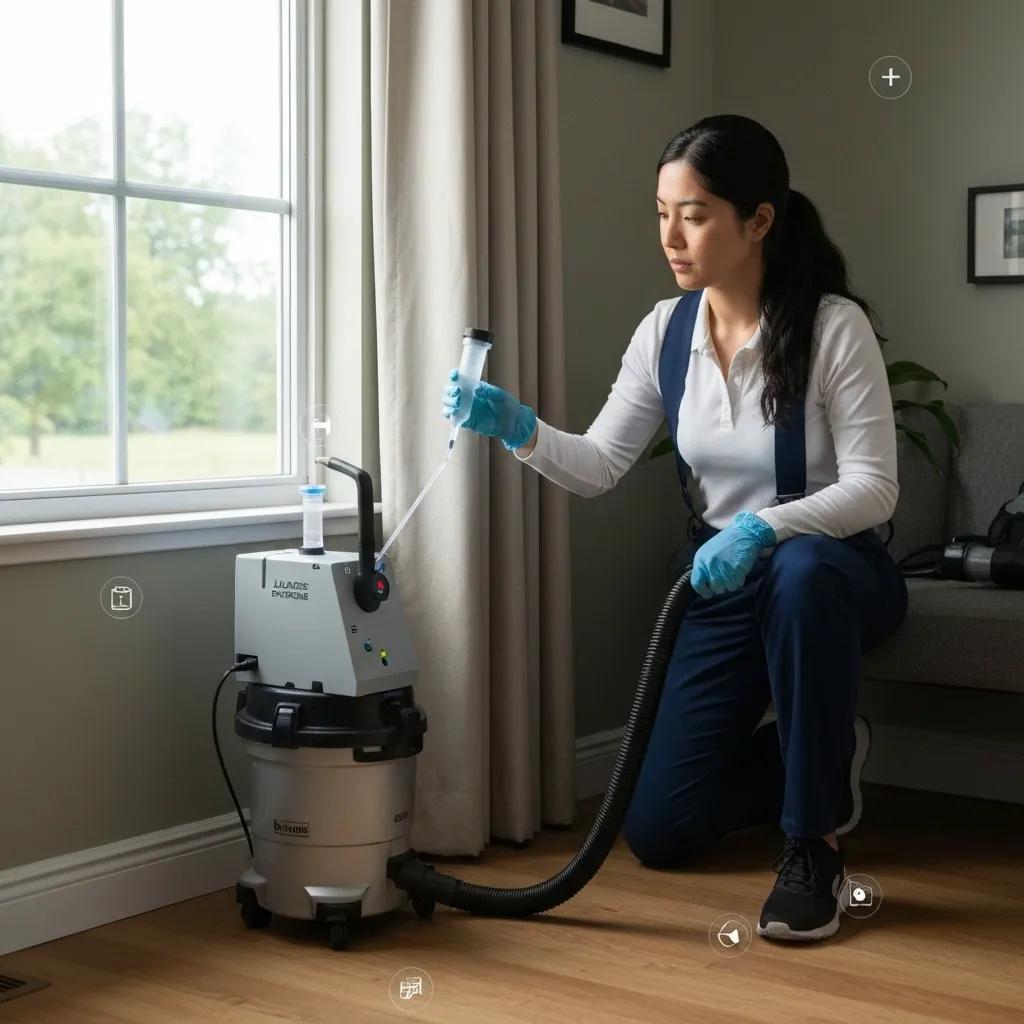
A structured testing process encompasses on-site consultation, systematic sampling, specialized laboratory analysis, and clear reporting to drive informed remediation decisions. This sequence ensures comprehensive coverage from initial assessment through final verification.
What Types of Samples Are Collected for Mycotoxin Testing?
Environmental consultants collect air, dust, and surface samples to capture airborne spores, settled particulates, and contamination on materials.
- Air Samples – Drawn through high-volume pumps into sorbent tubes or filters.
- Dust Samples – Gathered using vacuum protocols on carpets, vents, and furniture.
- Surface Swabs – Wiped from drywall, wood, and HVAC components using sterile swabs.
These sample types ensure detection of mycotoxins that may elude visual mold inspections, creating a full exposure profile for accurate risk assessment.
How Are Mycotoxin Samples Analyzed in the Laboratory?
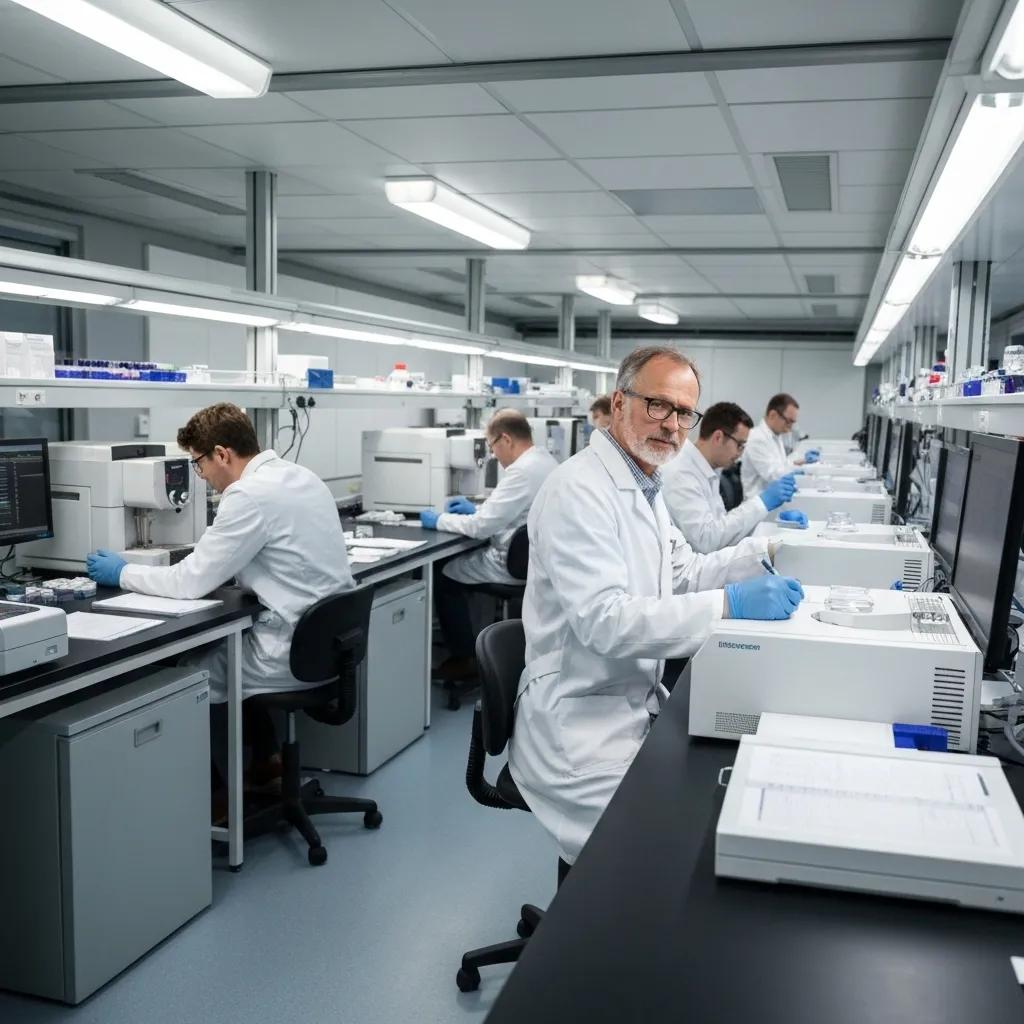
Laboratories apply high-performance liquid chromatography or mass spectrometry (e.g., LC-MS/MS) to quantify mycotoxin concentrations at parts-per-billion levels. Analysts extract toxins from collected media, purify samples, and detect target compounds using calibrated instrumentation. This methodology provides reliable, reproducible results that inform remediation scope and health risk mitigation.
MycotoxinSite, (n.d.)
Mycotoxin Detection Methods
Liquid chromatography-tandem mass spectrometry (LC-MS/MS) and gas chromatography-tandem mass spectrometry (GC-MS/MS) are widely used in mycotoxin detection. Immunoassay methods like ELISA are also important for rapid mycotoxin analysis.
What Should You Expect in Your Mycotoxin Testing Report?
A comprehensive report defines detected mycotoxin types, concentration levels, sampling locations, and health-based exposure thresholds. It includes interpretive guidance, recommended action levels, and prioritized remediation steps. Clear graphical charts and narrative summaries translate technical data into actionable insights for property owners and contractors.
How Long Does Mycotoxin Testing Take From Start to Finish?
Most projects span 7–14 days from initial consultation through final report delivery. On-site sample collection typically requires 2–4 hours, while laboratory analysis and quality control take 5–10 business days. This timeline balances thorough processing with the urgency of addressing potential health threats in occupied environments.
With the process defined, we can compare the various testing methods available for mycotoxin detection.
What Are the Different Types of Mycotoxin Testing Methods?
Testing methods differ in sample medium, analytical sensitivity, and intended application, allowing tailored assessments for specific property conditions and client needs.
How Do Air, Dust, and Surface Mycotoxin Tests Compare?
Below is a comparison of primary sample types, their collection methods, and key advantages.
| Sample Medium | Collection Method | Key Advantage | Typical Use |
|---|---|---|---|
| Air | High-volume pump with filter or sorbent | Captures airborne toxins directly | Assess indoor air exposure levels |
| Dust | Vacuum-based protocol on settled dust | Reflects cumulative toxin deposits | Identify long-term contamination |
| Surface | Sterile swab of materials or build-outs | Pinpoints direct emission sources | Localize contamination hotspots |
Each sample type contributes unique data, guiding comprehensive risk evaluation and targeted remediation efforts.
What Are ERMI and HERTSMI-2 Testing Protocols?
ERMI (Environmental Relative Moldiness Index) and HERTSMI-2 (Health Effects Roster of Type-Specific Mycotoxins and Microbial VOCs) are standardized protocols that quantify mold and mycotoxin burdens. ERMI uses dust samples to generate relative scores across 36 mold species, while HERTSMI-2 focuses on five key toxigenic molds linked to health effects. These indices allow benchmarking against national datasets to evaluate severity and prioritize interventions.
Dr. Antonucci, (n.d.)
ERMI and HERTSMI-2 Testing
The HERTSMI-2 test focuses on five specific types of molds that are known to be particularly harmful to human health. A HERTSMI-2 score <10 is indicative that the building is safe for (re-)occupancy.
Can Mycotoxin Testing Detect Hidden Mold Contamination?
Yes, professional testing can reveal concealed mold growth behind walls, under flooring, and within HVAC systems by identifying mycotoxins even when visible mold is absent. Since mycotoxins adhere to dust and permeate air, laboratory analysis uncovers contamination that escapes standard moisture or spore sampling, ensuring unseen hazards are addressed.
Having explored methods, let’s examine cost considerations and pricing transparency.
How Much Does Mycotoxin Testing Cost and What Influences Pricing?
Mycotoxin testing costs reflect property size, sample count, analytical complexity, and report detail. Understanding these factors helps homeowners plan budgets and select appropriate service packages.
What Factors Affect the Cost of Mycotoxin Testing Services?
- Property Size – Larger areas require more sampling locations.
- Sample Types – Air, dust, and surface samples involve varied collection techniques.
- Number of Samples – More samples improve coverage but increase analysis fees.
- Analytical Methods – High-precision techniques like LC-MS/MS carry higher laboratory costs.
- Reporting Detail – Comprehensive interpretive guidance and graphics add value.
These factors combine to determine total project investment, enabling clients to balance depth of analysis with budget constraints.
How Does Moldsafehomes.com Provide Transparent Pricing?
Moldsafehomes.com issues detailed quotes after an initial consultation, clearly itemizing sample counts, methods, and laboratory fees. Clients receive tiered package options—basic screening, standard analysis, or premium profiling—with transparent line-item pricing and no hidden charges. This clarity builds trust and aligns expectations before work begins.
Are There Affordable Mycotoxin Testing Options for Homeowners?
Affordable options include limited screening packages focusing on key areas of concern, such as basements or HVAC returns, and discounted bundled services when combined with mold inspection. Flexible financing and periodic promotions make essential testing accessible without compromising analytical quality.
Clarifying cost dynamics prepares you to choose the right laboratory partner near you.
What Are the Best Mycotoxin Testing Labs and How to Choose One Near You?
Selecting a reputable lab ensures accurate results, certified procedures, and timely reporting. Consider accreditation, local expertise, and service scope when evaluating providers.
What Qualifications Should a Reliable Mycotoxin Testing Lab Have?
A dependable lab holds ISO/IEC 17025 accreditation, employs certified analytical chemists, and follows validated standard operating procedures. It subscribes to proficiency testing programs and maintains documented quality controls, guaranteeing consistency and regulatory compliance.
Advance Mycotoxin Laboratory, (2024)
ISO/IEC 17025 Accreditation
A dependable lab holds ISO/IEC 17025 accreditation, employing certified analytical chemists, and follows validated standard operating procedures.
How Does Local Expertise Impact Mycotoxin Testing Accuracy?
Local labs understand regional climate influences, common building materials, and prevalent mold species, enabling more targeted sampling strategies. Their familiarity with local regulations and environmental conditions enhances the relevance and precision of test results.
What Questions Should You Ask Before Hiring a Mycotoxin Testing Service?
- What accreditations and certifications does your laboratory hold?
- Which mycotoxin types are included in your analysis panel?
- Can you customize sampling locations based on property layout?
- How do you validate and quality-control analytical methods?
- What is your typical turnaround time and reporting format?
With the right lab selected, let’s turn to strategies for remediation and long-term prevention.
How Can You Prevent and Remediate Mycotoxin Contamination After Testing?
Effective remediation removes mold sources and mycotoxin residues, while preventive measures reduce future risk and maintain healthy indoor air.
What Are Effective Mycotoxin Remediation Strategies?
- Targeted Mold Removal – Remove contaminated materials (drywall, insulation) under containment protocols.
- HEPA-Filtered Cleaning – Vacuum and wipe surfaces with HEPA-equipped tools to extract settled toxins.
- Antimicrobial Treatments – Apply EPA-registered products that neutralize residual mycotoxins on affected substrates.
- Moisture Control – Repair leaks, improve drainage, and install dehumidifiers to prevent regrowth.
PMC, (2022)
Mycotoxin Remediation Strategies
Effective remediation strategies for mycotoxin control include physical, chemical, biological, and nutritional regulation approaches. Physical methods include washing and irradiation.
How Does Post-Remediation Mycotoxin Testing Ensure Safety?
Conducting follow-up sampling verifies that mycotoxin levels have returned below health-based action limits. Confirmation testing validates remediation success and provides documented evidence of a restored environment before re-occupancy.
What Prevention Measures Reduce Future Mycotoxin Risks?
Maintaining indoor humidity below 50%, ensuring balanced ventilation, using air purifiers with activated carbon filters, and performing regular visual inspections keep mold and mycotoxin hazards at bay. These proactive measures sustain air quality and support long-term property health.
Prevention and remediation pave the way to measurable benefits for families and real estate value.
What Are the Health and Property Benefits of Comprehensive Mycotoxin Testing?
Comprehensive testing delivers clear insights that protect occupant well-being and bolster property marketability.
How Does Mycotoxin Testing Protect Your Family’s Health?
By pinpointing toxic mold metabolites, testing empowers targeted interventions that eliminate exposure pathways and reduce allergic, respiratory, and neurological symptoms. This protective measure fosters a safer living space, especially for children, seniors, and immunocompromised individuals.
How Can Testing Improve Property Value and Safety?
Certified test reports demonstrate due diligence to prospective buyers, lending confidence in indoor air quality and structural integrity. Properties with documented mycotoxin clearance often command higher market values and faster sales by alleviating buyer concerns over hidden mold liabilities.
Why Is Peace of Mind a Key Outcome of Professional Mycotoxin Testing?
Knowing that a trained environmental consultant has systematically identified and addressed mold toxins grants emotional and financial reassurance. Families can live, work, and play without anxiety over unseen hazards, and property owners can manage assets with confidence in their environmental safety.
Professional assessment and action establish a healthier, more valuable indoor environment where occupants thrive and investments remain protected.
Conclusion
Investing in professional mycotoxin testing ensures a healthier indoor environment by accurately identifying toxic mold metabolites that can compromise your family’s well-being. This proactive approach not only safeguards health but also enhances property value by providing documented assurance of air quality. By taking the necessary steps to address potential hazards, you can create a safe space for your loved ones and protect your investment. Discover our range of mycotoxin testing services today to secure your peace of mind.