Is Affordable Mold Inspection Worth It for Florida Homeowners?
Mold growth can silently undermine a Florida home’s structural integrity and occupant health within 24–48 hours of a moisture event. This article reveals whether affordable mold inspection services in Florida provide a cost-effective gateway to early detection, property preservation, and safer indoor air quality. You will learn what drives inspection costs, how to recognize mold signs, the advantages of professional testing, relevant state regulations, the value of mycotoxin analysis, practical prevention strategies, the remediation journey, and why Mold Safe Homes stands out as a trusted partner. By the end, you’ll understand if investing in a budget-friendly inspection today can prevent far greater expenses and health risks tomorrow.
What Factors Influence Mold Inspection Cost in Florida?
Affordable mold inspection services in Florida hinge on variables such as property size, inspection scope, ease of access, and regional market rates. Understanding these drivers empowers homeowners to balance thorough assessments with budget constraints.
How Does Florida’s Climate Affect Mold Inspection Pricing?
Florida’s warm, humid climate accelerates mold proliferation by providing optimal moisture and temperature for spore germination. Inspectors often allocate extra time and equipment—like infrared cameras and hygrometers—to survey high-risk areas in coastal or hurricane-prone regions. This climate-driven demand and specialized methodology can elevate baseline pricing by up to 20 percent compared to drier states, reflecting the need for advanced moisture mapping and repeated site visits.
What Are the Average Mold Inspection Costs in Florida?
Property size, inspection depth, and lab analysis options shape the price range for mold inspections. The table below compares typical service tiers:
| Inspection Tier | Property Size Covered | Approximate Cost Range | Key Deliverable |
|---|---|---|---|
| Basic Visual Assessment | Up to 1,500 sq ft | $250 – $350 | Written report + moisture read |
| Standard Air Sampling | Up to 2,500 sq ft | $350 – $550 | Air sample results + report |
| Comprehensive Testing | Unlimited size | $550 – $850 | Air, surface, mycotoxin analysis |
These figures illustrate how adding air sampling and lab diagnostics increases accuracy and cost. Homeowners can opt for targeted assessments in suspect areas or full-house testing based on health sensitivity and property value considerations.
How Can Homeowners Save Money on Mold Inspection Services?
Homeowners seeking affordable solutions can combine services, schedule inspections during off-peak seasons, or pursue promotional discounts through licensed providers. Common cost-saving strategies include:
- Booking bundled packages that include inspection and post-remediation clearance at a reduced combined rate.
- Opting for air sampling only in high-risk rooms if visual signs are isolated.
- Utilizing community health grants or insurance endorsements when mold issues arise from covered perils.
Implementing these tactics preserves inspection quality while reducing out-of-pocket expenses and setting the stage for timely remediation.
Is Affordable Mold Inspection a Cost-Effective Investment?
Affordable mold inspection is a cost-effective investment when comparing inspection fees against potential remediation and health care costs. Early detection prevents widespread structural damage, which can cost 2–5 times more to repair once mold colonies establish. Moreover, proactive inspections reduce the risk of mold-related respiratory conditions that may lead to medical expenses and compromised property resale value. By prioritizing a modest inspection fee, homeowners safeguard long-term health and asset integrity, effectively turning a small upfront expense into substantial downstream savings.
What Are the Common Signs of Mold in Florida Homes?
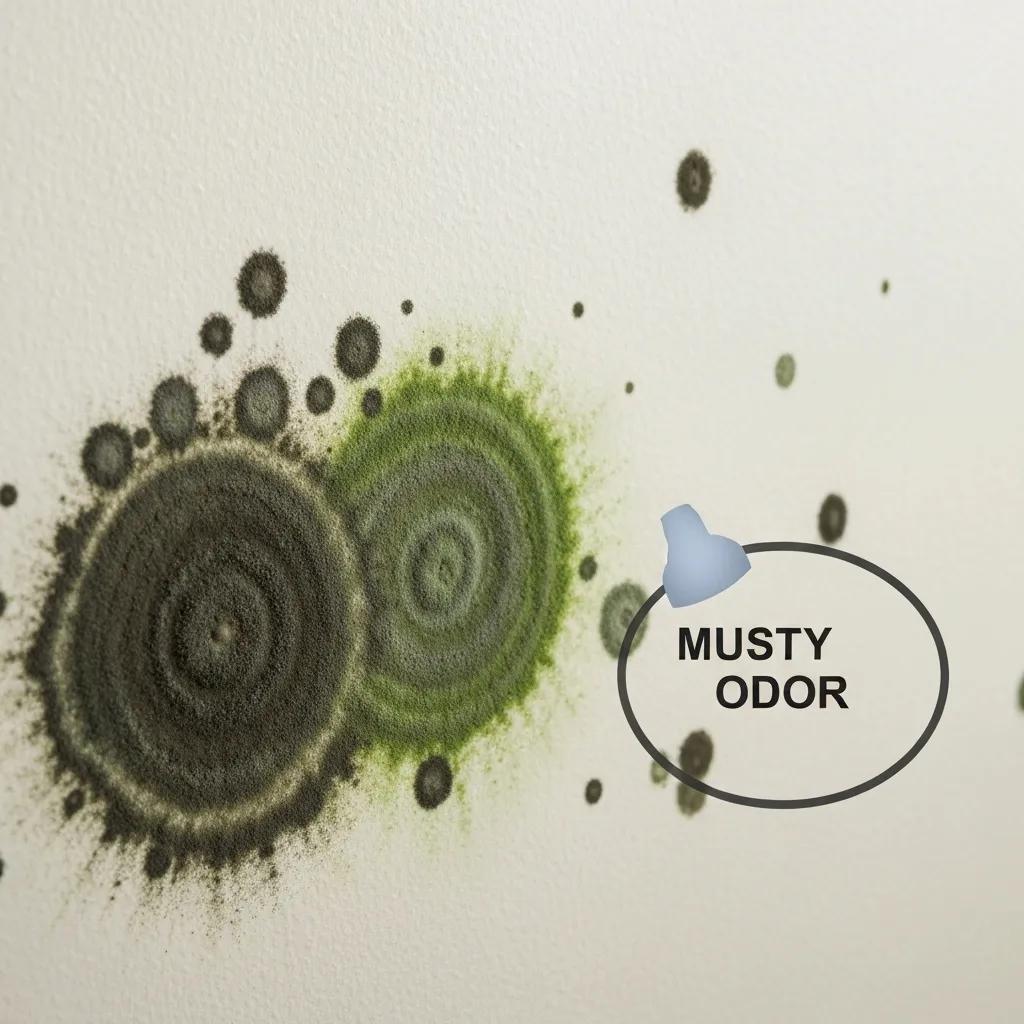
Visible mold and musty odors often signal deeper moisture issues, while unexplained health symptoms may indicate hidden infestations. Recognizing these signs early enables prompt action before extensive damage occurs.
How Can Homeowners Identify Visible Mold and Musty Odors?
Visible colonies typically appear as black, green, or white speckles on walls, ceilings, and window frames. Musty odors result from microbial volatile organic compounds (mVOCs) released during mold metabolism. To spot these signs:
- Inspect areas near water sources for discoloration or fuzzy growth.
- Smell enclosed spaces like closets or crawlspaces for persistent damp odors.
- Look under sinks and behind appliances for water stains.
Detecting these surface cues supports targeted sampling and prevents small patches from evolving into widespread mold networks.
What Health Symptoms Indicate Mold Exposure in Florida Residents?
Mold exposure can trigger allergic reactions or mycotoxin-related symptoms, especially in sensitive individuals. Common indicators include:
- Chronic coughing, nasal congestion, and throat irritation.
- Persistent headaches or fatigue that worsen indoors.
- Skin rashes or eye irritation after home occupancy.
- Asthma flare-ups or new-onset respiratory difficulties.
Mapping these symptoms alongside environmental observations guides professional testing protocols and underscores the importance of certified mold assessment.
Where Are Hidden Mold Locations Common in Florida Homes?
Moisture-prone and concealed areas often harbor mold before it becomes visible. The following list highlights typical hotspots:
- Behind drywall adjacent to plumbing fixtures.
- Under carpeting in basements or flood-prone rooms.
- Inside HVAC ductwork and air handler units.
- Beneath window sills and door thresholds after condensation events.
Targeting these concealed zones during inspection maximizes detection accuracy and curtails mold spread into living spaces.
Why Is Early Mold Detection Critical in Florida’s Humid Environment?
Early mold detection curbs exponential growth driven by high humidity and temperature, preventing costly structural repairs and health complications. Within days of a moisture event, colonies can penetrate wood and drywall, compromising load-bearing elements. Prompt inspection and remediation protect indoor air quality, uphold property value, and minimize microbial damage—highlighting why affordable inspections are a strategic necessity rather than an optional expense.
What Are the Benefits of Professional Mold Inspection and Testing in Florida?
Professional inspection and testing deliver precise identification of mold species, concentration levels, and hidden pockets, empowering homeowners to implement effective remediation and safeguard health.
How Does Professional Testing Protect Homeowners’ Health?
Certified mold inspectors utilize air sampling and mycotoxin analysis to quantify spore counts and detect harmful fungal metabolites. This rigorous approach:
- Identifies allergenic and toxigenic species before symptomatic thresholds are reached.
- Measures indoor air quality against established health benchmarks.
- Recommends targeted interventions to reduce spore and mycotoxin loads.
By detecting invisible hazards early, professional testing reduces respiratory risks, mycotoxin exposure, and long-term health consequences in sensitive occupants.
How Does Mold Inspection Preserve Property Value?
Timely mold assessments prevent structural decay, wood rot, and paint delamination that diminish curb appeal and resale potential. Investing in certified inspections:
- Provides documented reports that satisfy buyer disclosures.
- Reduces insurance complications by demonstrating proactive maintenance.
- Maintains warranty coverage on building materials exposed to moisture.
Ensuring a mold-free environment secures marketable equity and streamlines real estate transactions by eliminating hidden liabilities.
What Makes Certified Mold Inspectors in Florida Unique?
Florida’s licensing requirements distinguish assessors from remediators to avoid conflicts of interest. Certified mold inspectors must:
- Hold a mold assessor license from the Florida Department of Business and Professional Regulation.
- Complete continuing education focused on regional climate challenges.
- Apply advanced diagnostic tools calibrated for high-humidity environments.
Their specialized training and independent status guarantee unbiased findings, enhanced by deep knowledge of storm-driven water intrusion and tropical mildew patterns.
How Does Mold Safe Homes’ Advanced Technology Improve Inspection Accuracy?
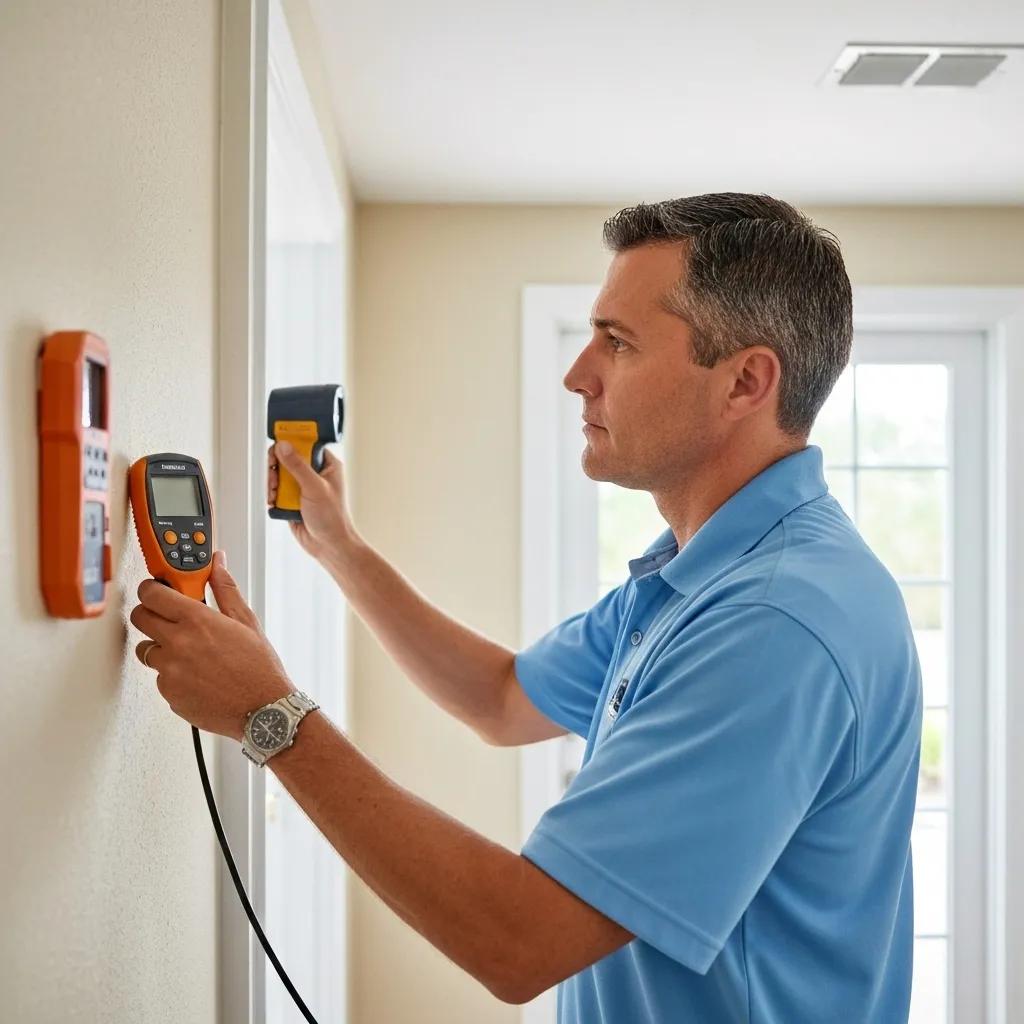
Mold Safe Homes leverages state-of-the-art equipment—such as dual-wavelength moisture meters, high-resolution infrared imaging, and laboratory-grade air samplers—to deliver precise moisture mapping and microbial analysis. This technology:
- Detects sub-surface moisture anomalies behind walls.
- Highlights temperature differentials indicating water intrusion.
- Profiles spore types and mycotoxin presence with high sensitivity.
By integrating these innovations, Mold Safe Homes ensures comprehensive, accurate inspections that mitigate risk and optimize remediation strategies.
What Are Florida Mold Inspection Regulations and Homeowner Rights?
Navigating Florida’s regulatory framework empowers homeowners to ensure compliance, avoid liability, and assert rights in landlord-tenant or real estate transactions.
What Licensing Requirements Govern Mold Inspectors and Remediators in Florida?
Florida law separates mold assessment from remediation to maintain impartiality. Key requirements include:
- Mold Assessors: Must obtain a mold assessment license, complete 24 hours of approved training, and adhere to reporting protocols under Chapter 468, F.S.
- Mold Remediators: Require a distinct mold remediation license, 24 hours of specialized coursework, and compliance with containment standards.
How Do Florida Mold Laws Affect Homeowners and Landlords?
Under state statute, property owners and landlords must disclose known mold problems and remediation history to prospective tenants or buyers. Landlords are responsible for:
- Promptly addressing confirmed mold intrusions.
- Maintaining habitable conditions free from hazardous fungus.
- Providing remediation reports upon request.
Homeowners selling a property must include mold-related disclosures in the transfer documents, safeguarding transparency and legal compliance during real estate transactions.
How Can Homeowners Navigate Mold-Related Insurance Claims?
Homeowners insurance may cover certain mold damage if it results from a sudden, accidental event—such as a burst pipe—but typically excludes gradual deterioration. To optimize coverage:
- Document moisture events and inspection findings immediately.
- Submit professional assessment reports alongside remediation estimates.
- Clarify policy limits and mold endorsements with the insurer.
Understanding policy language and presenting certified inspection data increases claim approval likelihood and reduces out-of-pocket remediation costs.
What Are the Latest Updates in Florida Mold Regulations?
Recent amendments in 2023 reinforce transparency and consumer protection by:
- Expanding required disclosure forms to include mycotoxin testing results.
- Mandating digital submission of mold assessment reports to state databases.
- Introducing stricter containment guidelines for large-scale remediation projects.
Staying current with these changes ensures homeowners engage properly licensed professionals and comply fully with regulatory mandates.
How Does Mycotoxin Testing Add Value to Mold Inspections in Florida?
Mycotoxin testing uncovers harmful fungal metabolites often missed by standard spore counts, offering an extra layer of health protection for mold-sensitive individuals.
What Are Mycotoxins and Why Are They Dangerous?
Mycotoxins are toxic compounds produced by certain mold species that can impair immune function, damage organ systems, and exacerbate chronic illnesses. For example:
- Aflatoxins: Potent liver toxins linked to cancer risk.
- Trichothecenes: Respiratory irritants that provoke inflammation.
Detecting these invisible threats provides critical insights into indoor air hazards beyond mere spore presence, supporting targeted remediation that safeguards long-term health.
How Is Mycotoxin Testing Performed During Mold Inspections?
Inspectors collect dust, surface, and air samples and submit them to specialized labs for chromatographic analysis. The process:
- Targets high-traffic and moisture-prone areas for sampling.
- Utilizes immunoaffinity columns to isolate specific mycotoxin compounds.
- Reports concentration levels against health-based action thresholds.
This rigorous methodology ensures homeowners receive precise data on hidden toxic threats and can implement effective containment and removal plans.
What Health Benefits Result from Identifying Mycotoxins Early?
Early mycotoxin identification allows for:
- Customized remediation strategies that neutralize or remove specific toxins.
- Medical interventions for exposed individuals before chronic conditions develop.
- Improved indoor air quality metrics that reduce allergenic and inflammatory responses.
By addressing mycotoxin contamination swiftly, homeowners protect vulnerable family members and prevent costly long-term health treatments.
How Does Mold Safe Homes’ Mycotoxin Testing Differ from Competitors?
Mold Safe Homes distinguishes its service through:
- In-house laboratory partnerships that guarantee rapid turnaround and precise compound profiling.
- Advanced immunoassay protocols that detect a broader spectrum of mycotoxins at lower detection limits.
- Comprehensive reporting that correlates toxin concentrations with health risk categories, empowering homeowners with actionable remediation guidance.
This superior expertise in toxicology-based assessments reinforces our commitment to restoring health and peace of mind.
What Are Effective Mold Prevention Tips for Florida Homeowners?

Proactive humidity control, leak detection, and ventilation strategies keep mold at bay in Florida’s challenging climate. Implementing routine measures reduces reliance on costly inspections and remediations.
How Can Humidity Control Reduce Mold Growth in Florida Homes?
Maintaining indoor relative humidity between 30 percent and 50 percent curtails mold spore germination. Effective steps include:
- Operating dehumidifiers in basements and bathrooms.
- Installing smart hygrometers that trigger ventilation systems.
- Sealing crawlspaces with vapor barriers.
Controlling moisture levels establishes a hostile environment for mold, significantly reducing the likelihood of future inspections and remediation needs.
What Are Best Practices for Leak Detection and Repair?
Eliminating water intrusion sources prevents persistent dampness. Homeowners should:
- Inspect roofs, gutters, and downspouts seasonally.
- Check plumbing fixtures and supply lines for drips.
- Use moisture meters to scan behind walls after heavy rains.
Promptly repairing leaks closes moisture entry points, disrupting the mold growth cycle before it necessitates professional intervention.
How Does Proper Ventilation Help Prevent Mold?
Enhancing airflow in moisture-prone zones expels humid air and dries surfaces quickly. Key tactics include:
- Installing exhaust fans in kitchens and bathrooms.
- Opening windows during low-humidity days.
- Integrating passive vents in attics and crawlspaces.
Sustained ventilation reduces condensate formation on cold surfaces and deters fungal colonization, complementing dehumidification efforts.
What Routine Maintenance Can Homeowners Perform to Avoid Mold?
Simple, regular checks empower homeowners to stay ahead of mold risks:
- Wiping down shower walls and sealing grout lines.
- Monitoring appliance seals on washers and dishwashers.
- Cleaning HVAC filters monthly.
By incorporating these tasks into seasonal home care routines, occupants minimize conditions conducive to mold growth and extend intervals between professional inspections.
What Happens After a Mold Inspection: Understanding the Mold Remediation Process?
Once a mold inspection pinpoints contamination, a systematic remediation plan restores a safe environment and prevents recurrence through containment, removal, and validation testing.
How Is Mold Containment and Removal Conducted?
Remediation specialists first isolate affected areas using physical barriers and negative-pressure systems. Then they:
- Remove contaminated materials such as drywall or insulation.
- Apply antimicrobial agents to structural elements.
- HEPA-vacuum surfaces to capture residual spores.
This multi-step approach ensures that mold fragments do not migrate to clean areas, maintaining indoor air quality throughout the cleanup.
Why Is Post-Remediation Testing Important?
Post-remediation clearance testing verifies that mold levels have returned to baseline conditions or below established action thresholds. This testing:
- Confirms the effectiveness of removal methods.
- Provides documentation for insurance and resale disclosures.
- Reassures occupants that indoor air quality meets health-based standards.
Ensuring a clean clearance eliminates lingering doubt and supports long-term mold control.
How Can Homeowners Prepare for Mold Remediation?
Advance preparation minimizes disruption and safeguards belongings. Homeowners should:
- Remove fragile or porous items from the remediation zone.
- Seal HVAC vents to prevent cross-contamination.
- Coordinate schedules to allow technicians uninterrupted workspace.
Clear communication with the remediation team accelerates the process and reduces turnaround time, fostering a smoother experience.
What Are Typical Costs and Timelines for Mold Remediation in Florida?
Costs vary by contamination extent, property size, and required repairs. The table below outlines average expectations:
| Project Scope | Estimated Cost Range | Typical Timeline |
|---|---|---|
| Localized Area (<50 sq ft) | $500 – $1,500 | 1 – 2 days |
| Moderate Infestation | $1,500 – $4,000 | 2 – 5 days |
| Extensive Contamination | $4,000 – $10,000+ | 1 – 2 weeks |
Smaller jobs can conclude within 48 hours, while widespread remediation may extend beyond a week. Factoring in inspection, remediation, and clearance testing ensures homeowners plan budgets and timelines realistically.
How Do Florida Homeowners Benefit from Choosing Mold Safe Homes?
Mold Safe Homes combines certified expertise, advanced technology, and compassionate client support to deliver reliable inspection and remediation solutions throughout the Sunshine State.
What Certifications and Licenses Does Mold Safe Homes Hold?
Mold Safe Homes’ credentials include:
- Florida-licensed Mold Assessor and Mold Remediator licenses.
- Certified Indoor Environmentalist (CIE) accreditation.
- Membership in national industry associations such as IAQA and NORMI.
These certifications attest to rigorous training, ethical standards, and ongoing professional development—assuring homeowners of authoritative, compliant service delivery.
How Does Mold Safe Homes Support Clients Through the Inspection Process?
Our team provides personalized guidance from first contact through clearance testing by:
- Conducting pre-inspection consultations to align testing scope with health concerns.
- Delivering transparent pricing and detailed service agreements.
- Offering clear, jargon-free reports with actionable recommendations.
This supportive approach eases stress and empowers homeowners to make informed decisions at every stage.
What Do Customer Testimonials Say About Mold Safe Homes’ Services?
Homeowners consistently praise our thoroughness, professionalism, and rapid response. Common themes include:
- “Detailed explanations that clarified every step of the process.”
- “Timely scheduling and faster-than-expected lab results.”
- “Compassionate technicians who respected our home and privacy.”
These endorsements demonstrate our commitment to client satisfaction and reinforce the trust we build in each community we serve.
Which Florida Areas Does Mold Safe Homes Serve?
Mold Safe Homes extends services across key regions, including:
- Southwest Florida (Naples, Fort Myers)
- Central Florida (Orlando, Tampa)
- Southeast Florida (Fort Lauderdale, West Palm Beach)
- Gulf Coast (Sarasota, Bradenton)
- Panhandle suburbs
By covering diverse climatic zones and local building styles, we tailor our inspection and remediation strategies to the specific challenges homeowners face in each area.
In climates like Florida’s—where humidity and moisture events are routine—investing in an affordable mold inspection proves not only worth its cost but essential for preserving health and home value. Partnering with a certified expert like Mold Safe Homes delivers precise diagnostics, targeted remediation plans, and enduring peace of mind. Schedule your consultation today to safeguard your Florida property against mold’s hidden threats.
Conclusion
Investing in an affordable mold inspection is crucial for Florida homeowners seeking to protect their health and property value. By identifying mold early, you can prevent costly remediation and health complications, ensuring a safer living environment. Partnering with a certified expert like Mold Safe Homes guarantees precise diagnostics and effective remediation strategies tailored to your needs. Schedule your consultation today to take the first step in safeguarding your home from mold’s hidden threats.