
Affordable Mold Testing vs Traditional Methods: Which Is Better for Accurate and Cost-Effective Mold Inspection?
Hidden mold can lurk unseen in homes, jeopardizing health and property value; deciding between affordable mold testing Florida kits and professional inspections hinges on balancing cost, accuracy, and risk. This guide explains how DIY test kits work, outlines the comprehensive steps in professional mold assessments, differentiates mycotoxin analysis, and shows when Florida climate demands expert intervention. You’ll discover cost comparisons, local insights, and criteria for choosing the best approach—empowering you to protect your home and health.
What Are DIY Mold Test Kits and How Do They Work?
DIY mold test kits are at-home sampling tools designed for homeowners to collect air or surface specimens for laboratory analysis. They rely on simple mechanisms like petri dishes, swab vials, or adhesive strips to capture mold spores and then present visible colony growth or color change. For example, an open culture plate left in a damp basement might develop fuzzy spots that indicate spore counts above typical indoor levels.
How Do DIY Mold Test Kits Detect Mold?
DIY kits detect mold by exposing a nutrient medium to the environment. Common sampling methods include:
- Air Sampling Plates: A lidless petri dish with agar captures airborne spores over a set time.
- Swab Samples: A cotton or foam swab collects mold from visible surfaces, then is smeared onto an agar plate.
- Tape Lift or Adhesive Strips: Sticky film pressed against walls picks up spores for direct microscopic or culture growth.
Each method reveals spore presence through visible colony formation or discoloration, indicating mold activity. These sampling options set the stage for weighing convenience against reliability.
What Are the Advantages of Using DIY Mold Test Kits?
Homeowners choose DIY kits because they:
- Offer cost-effective screening without professional fees.
- Provide immediate, visual results within days.
- Require no scheduling or on-site visits.
- Allow privacy and control over sampling timing.
These benefits make DIY kits an accessible first step, but convenience often comes at the expense of comprehensive analysis.
What Are the Common Limitations and Accuracy Issues of DIY Mold Test Kits?
DIY mold test kits have notable drawbacks:
- Limited species detection—many kits miss non-viable spores or certain mold genera.
- False positives/negatives—ambient contaminants or improper handling skew results.
- No expert interpretation—users must guess if counts exceed safe levels.
- Hidden mold undetected—spores behind walls or under flooring go unnoticed.
- Lack of control samples—no baseline comparison to outdoor spore levels.
These limitations highlight why professional inspections often prove necessary for conclusive findings.
American Academy of Allergy, Asthma & Immunology, “Mold Allergy” (2024)
[Limitations of DIY Mold Test Kits]
DIY mold test kits often have limitations, including the potential to miss non-viable spores or certain mold genera, and the lack of expert interpretation of results. These kits may also fail to detect hidden mold, leading to inaccurate assessments of the extent of contamination.
How Much Do DIY Mold Test Kits Typically Cost?
DIY mold test kits generally range from $10 to $80, depending on the number and type of samples included. Entry-level kits use single agar plates, while multi-sample kits or those with return shipping cost more. Understanding these upfront expenses frames the decision against professional service investments.
What Does Professional Mold Testing Include and Why Is It More Reliable?
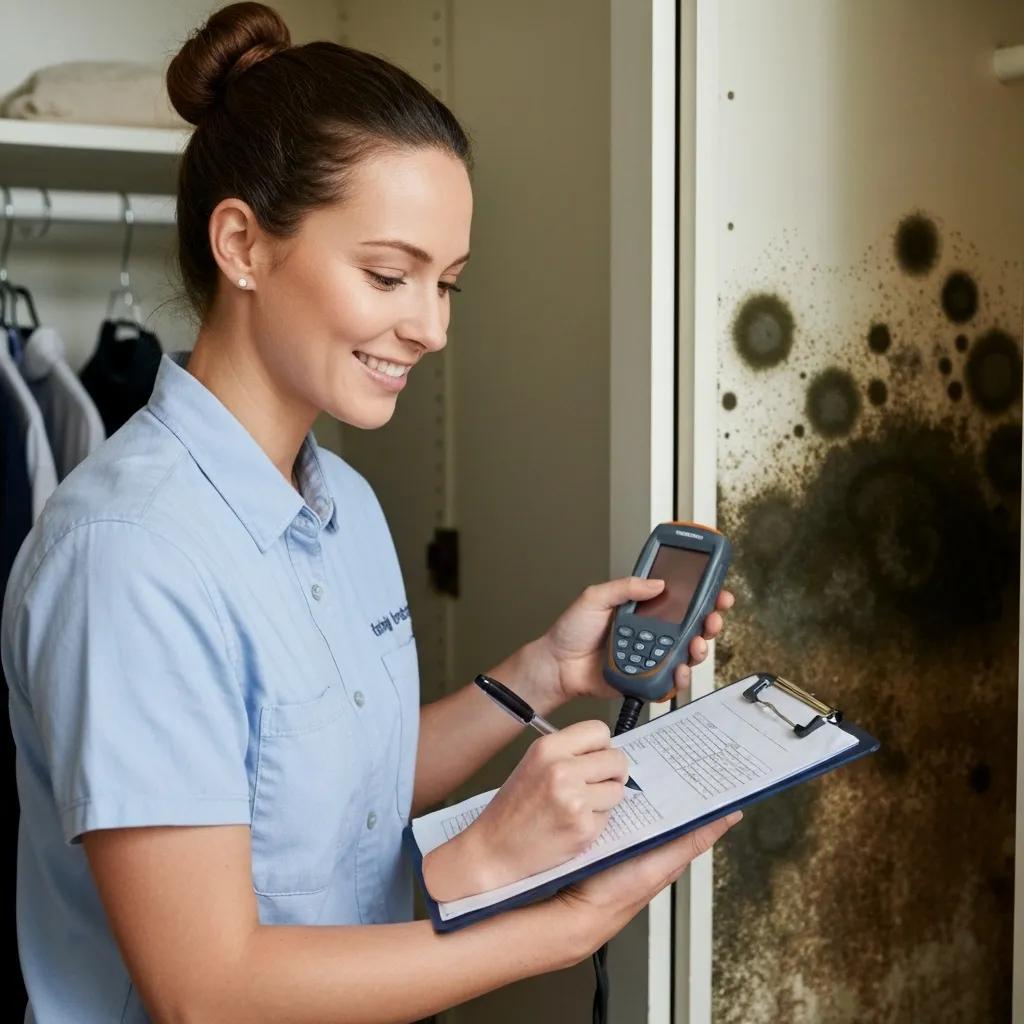
Professional mold testing encompasses a systematic process of visual inspection, moisture mapping, targeted sampling, and certified laboratory analysis. This structured approach identifies mold species, quantifies concentrations, and uncovers hidden growth behind walls. For instance, infrared imaging can reveal moisture anomalies that trigger mold proliferation before visible signs appear, offering proactive remediation guidance.
What Are the Key Steps in a Professional Mold Inspection?
A certified mold inspection follows clear phases:
- Conduct a detailed walk-through to locate visible mold and moisture sources.
- Use moisture meters to measure dampness in walls, floors, and ceilings.
- Employ infrared cameras to detect hidden moisture patterns.
- Collect air and surface samples at strategic locations.
- Send samples to an accredited laboratory for species-level identification.
- Deliver a comprehensive report with concentration data and remediation recommendations.
How Do Professionals Detect Hidden Mold Using Advanced Equipment?
Experts leverage specialized tools to find concealed mold:
- Infrared Cameras: Reveal temperature differences indicative of moisture retention.
- Moisture Meters: Measure moisture content in construction materials.
- Borescopes: Provide visual access inside wall cavities without demolition.
- Humidity Sensors: Track relative humidity over time to pinpoint high-risk zones.
These instruments expose mold hidden from DIY kits and guide targeted remediation efforts.
What Are the Benefits of Expert Mold Identification and Comprehensive Reporting?
Certified inspections deliver multiple advantages:
- Precise mold species identification, including toxic varieties.
- Accurate spore concentration measurements for health risk assessment.
- Detailed maps of contamination zones and moisture sources.
- Tailored remediation plans and prevention advice.
Expert interpretation transforms raw data into actionable next steps, yielding peace of mind.
U.S. Environmental Protection Agency, “A Brief Guide to Mold, Moisture, and Your Home” (2023)
[Benefits of Professional Mold Inspections]
Professional mold inspections offer several advantages, including precise mold species identification, accurate spore concentration measurements, and detailed reports with remediation recommendations. These inspections use advanced equipment and provide expert analysis, leading to more reliable and actionable results.
How Is the Cost of Professional Mold Testing Determined?
Professional mold testing fees depend on various factors, each influencing the final price:
| Factor | Influence on Cost | Typical Impact |
|---|---|---|
| Property Size | Larger areas require more inspection time and samples | $200–$800 range |
| Number of Samples | Each additional sample adds lab analysis fees | $25–$50 per sample |
| Sampling Locations | Hard-to-access areas increase labor and equipment use | Adds 1–2 hours per complex zone |
| Report Depth | Detailed species and mycotoxin analysis requires extra tests | $100–$300 for advanced lab panels |
| Turnaround Time | Rush services expedite lab work at premium rates | 1–2 days faster at 20–30% markup |
How Does Mycotoxin Testing Differ from Standard Mold Testing?
Mycotoxin testing focuses on detecting toxic byproducts produced by certain mold species, going beyond spore counts to analyze airborne and settled toxins. Advanced lab methods like high-performance liquid chromatography measure specific compounds—such as ochratoxin A and trichothecenes—offering deeper health protection. This level of analysis is critical for sensitive individuals facing chronic symptoms.
What Are Mycotoxins and Why Are They Important to Detect?
Mycotoxins are chemical compounds released by molds that can harm human health. They can:
- Trigger neurological issues and respiratory irritation.
- Accumulate in indoor dust and building materials.
- Persist even after visible mold is removed.
Detecting mycotoxins enables targeted remediation that addresses toxin reservoirs, not just active mold growth.
Why Can’t DIY Kits Detect Mycotoxins?
DIY mold test kits rely on culture plates or swabs and cannot identify chemical toxins. They:
- Lack the specialized lab equipment needed for toxin quantification.
- Do not test for metabolic byproducts, only for spore presence.
As a result, hazardous mycotoxin contamination often remains hidden without professional analysis.
How Do Professional Mycotoxin Tests Provide Added Health Protection?
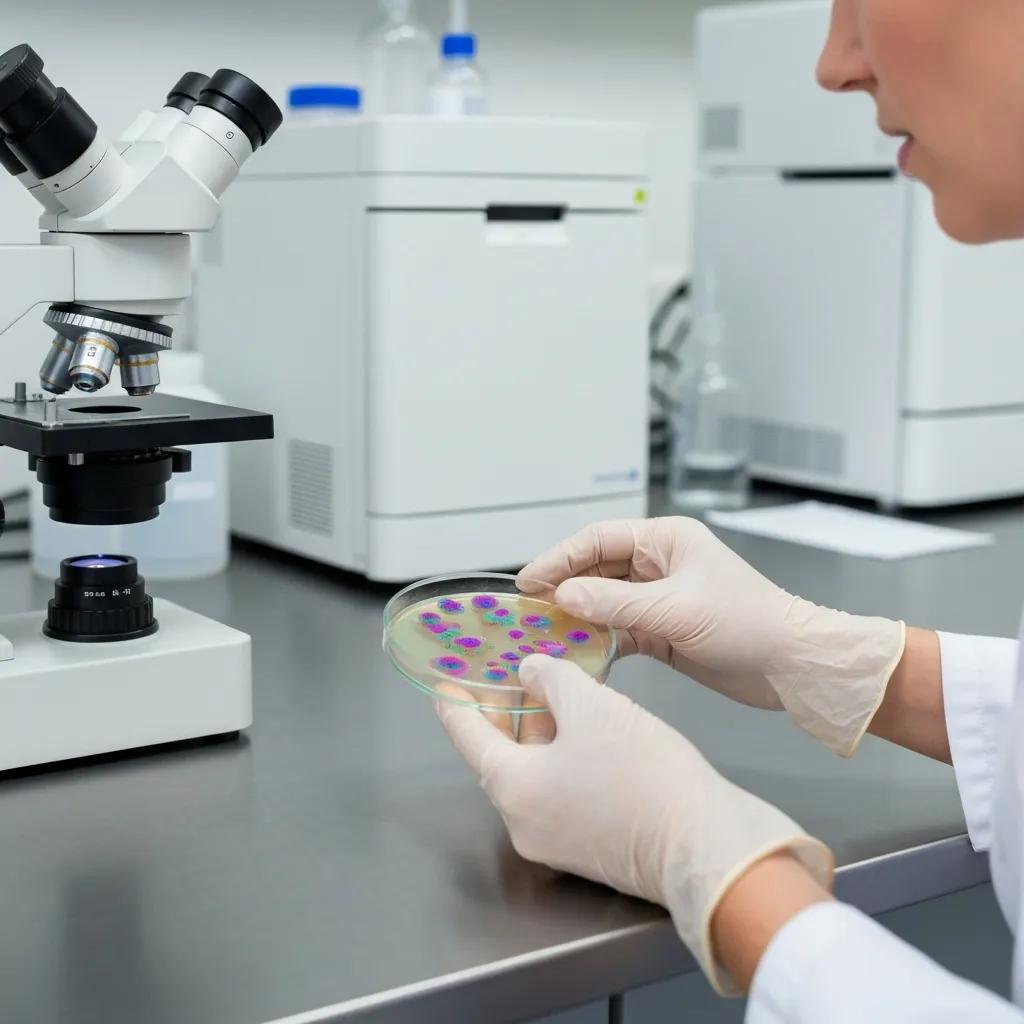
Laboratories using accredited mycotoxin protocols:
- Analyze dust wipes, air samples, or bulk materials for toxin levels.
- Identify specific mycotoxins and quantify concentrations.
- Interpret results in the context of health guidelines.
This ensures comprehensive protection, especially for mold-sensitive individuals and those with chronic health concerns.
When Should You Choose Professional Mold Testing Over DIY Kits?
Professional mold testing becomes essential when health or property risks outweigh cost savings. Certified inspections provide definitive analysis, species-level data, and clear remediation guidance—critical for scenarios where incomplete information carries high stakes.
What Signs Indicate the Need for Professional Mold Inspection?
Consider calling certified experts if you observe:
- Persistent musty odors with no visible source.
- Mold covering areas larger than 10 square feet.
- Recurring water intrusion or humidity issues.
- Chronic health symptoms like unexplained allergies or respiratory distress.
These warning signs often point to hidden contamination that DIY kits cannot fully address.
How Do Health Concerns Influence the Choice of Mold Testing Method?
Mold sensitivities, asthma, and immune suppression demand high-accuracy assessments. Professional testing:
- Identifies toxic species and mycotoxin presence.
- Provides concentration data crucial for medical guidance.
For vulnerable occupants, expert analysis minimizes uncertainty and supports informed health decisions.
Why Is Professional Testing Recommended for Real Estate and Post-Remediation Verification?
Legal and safety considerations in property transactions and remediation demand reliable documentation. Certified inspections:
- Meet lender and insurance requirements.
- Confirm that remediation efforts fully resolved mold issues.
- Provide defensible reports for buyers, sellers, and contractors.
This validation protects all parties and upholds regulatory standards.
When Might DIY Mold Testing Be Sufficient?
DIY kits may suffice when:
- Small, isolated mold spots appear on non-porous surfaces.
- No occupants experience mold-related symptoms.
- Budget constraints preclude professional options, and preliminary screening is acceptable.
In these low-risk scenarios, a basic kit can guide next steps, though limitations persist.
How Does Florida’s Climate Affect Mold Growth and Testing Accuracy?
Florida’s year-round high humidity and frequent rainfall create ideal conditions for mold proliferation. Properties here face constant moisture challenges, making accurate testing and expert interpretation vital for both detection and prevention strategies.
What Mold Challenges Are Unique to Florida’s Humid Environment?
- Tropical humidity levels above 60% promote rapid mold colonization.
- Hurricane-related flooding introduces extensive water damage.
- Coastal salt air can corrode building materials and trap moisture.
How Do Professional Testing Methods Adapt to Florida’s Climate Conditions?
- Calibrate moisture meters for local humidity baselines.
- Schedule inspections during optimal weather windows.
- Recognize regional mold species profiles, including Cladosporium and Aspergillus variants.
Why Is Local Expertise Important for Accurate Mold Assessment in Florida?
Deep understanding of Florida’s building practices, weather patterns, and common mold strains allows professionals to:
- Pinpoint high-risk areas like attics and crawlspaces.
- Recommend climate-specific prevention measures.
- Provide tailored advice on ventilation upgrades and dehumidification.
This regional focus enhances both detection accuracy and long-term mold control.
What Are the Cost Comparisons Between Affordable DIY Kits and Professional Mold Testing?
Comparing costs reveals trade-offs between affordability and comprehensive accuracy. While DIY kits can run as low as $10, professional inspections typically start around $300 and can exceed $800—reflecting the complexity and expertise involved.
| Testing Method | Accuracy | Scope | Hidden Mold Detection | Mycotoxin Testing | Expert Analysis | Average Cost |
|---|---|---|---|---|---|---|
| DIY Mold Test Kits | Low to Moderate | Surface/air only | No | No | None | $10–$80 |
| Professional Inspection | High | Whole-home, moisture mapping | Yes | Optional | Certified Report | $300–$800+ |
How Do DIY Mold Test Kit Prices Compare to Professional Services?
DIY kits cost between $10 and $80, covering one to several samples with self-managed shipping. In contrast, professional inspections range from $300 to over $800 based on property size, sample count, and report depth. The larger investment reflects hands-on expertise, advanced equipment, and lab accreditation.
What Factors Influence the Cost of Professional Mold Testing?
Building on earlier cost drivers, professional fees adjust for:
- Inspection complexity and access challenges.
- Inclusion of mycotoxin panels and specialized analyses.
- Urgency of report delivery.
These variables justify price differences and align services with client needs.
Is the Higher Cost of Professional Testing Justified by Accuracy and Health Benefits?
Yes, the added expense provides:
- Species-level mold identification.
- Hidden growth detection with moisture mapping.
- Mycotoxin measurements for sensitive individuals.
- Expert remediation guidance that prevents recurring issues.
This comprehensive approach reduces long-term remediation costs and health liabilities.
How Does MoldSafe Homes Provide Superior Mold Testing Services in Florida?
MoldSafe Homes combines certified expertise, advanced equipment, and regional knowledge to deliver unmatched mold and mycotoxin assessments tailored to Florida’s unique climate challenges. Our approach ensures accurate identification, clear reporting, and compassionate guidance at every step.
What Advanced Mold & Mycotoxin Assessment Services Does MoldSafe Homes Offer?
- Licensed inspectors perform detailed visual and moisture mapping examinations.
- Accredited laboratories conduct species identification and mycotoxin panels.
- Infrared imaging and borescope analysis locate concealed moisture and mold.
How Does MoldSafe Homes Address Florida-Specific Mold Issues?
- Interpret humidity-driven spore levels against regional baselines.
- Focus on common coastal molds and hurricane-related water damage zones.
- Recommend tailored ventilation and dehumidification solutions.
What Support and Guidance Does MoldSafe Homes Provide Throughout the Testing Process?
From initial consultation to final report, we:
- Offer unbiased explanations of results and health implications.
- Connect clients with trusted remediation professionals.
- Provide follow-up consultations and post-remediation verification inspections.
Our compassionate approach transforms uncertainty into informed action.
How Can Customers Schedule Professional Mold Testing with MoldSafe Homes?
Clients can contact our Florida office by phone or email to arrange an on-site assessment or virtual consultation. Flexible scheduling accommodates busy homeowners and rental properties, ensuring prompt service and clear next-step recommendations.
Frequently Asked Questions
What should I do if my DIY mold test kit indicates mold presence?
If your DIY mold test kit shows signs of mold, it’s essential to take further action. First, confirm the results by consulting a professional mold inspector who can provide a comprehensive assessment. They can identify the type of mold, its concentration, and any hidden growth that may not be detectable with DIY methods. Additionally, consider addressing any moisture issues in your home to prevent further mold growth and protect your health.
How can I prevent mold growth in my home?
Preventing mold growth involves controlling moisture levels and ensuring proper ventilation. Use dehumidifiers in damp areas, fix leaks promptly, and ensure that your home is well-ventilated, especially in bathrooms and kitchens. Regularly inspect areas prone to moisture, such as basements and attics, and consider using mold-resistant materials during renovations. Keeping indoor humidity below 60% can significantly reduce the risk of mold proliferation.
Are there specific mold types that are more common in Florida?
Yes, Florida’s humid climate fosters the growth of specific mold types, including Cladosporium, Aspergillus, and Stachybotrys (black mold). These molds thrive in warm, moist environments and can pose health risks, especially to sensitive individuals. Understanding the common mold species in your area can help you take proactive measures to mitigate their impact and ensure a healthier living environment.
What are the health risks associated with mold exposure?
Mold exposure can lead to various health issues, particularly for individuals with allergies, asthma, or weakened immune systems. Common symptoms include respiratory problems, skin irritation, and allergic reactions. Some molds produce mycotoxins, which can cause more severe health effects, including neurological issues. If you suspect mold exposure, especially if experiencing persistent symptoms, consult a healthcare professional for guidance and potential testing.
How often should I conduct mold inspections in my home?
It’s advisable to conduct mold inspections at least once a year, especially in areas prone to moisture. However, if you experience water damage, persistent humidity issues, or notice musty odors, you should schedule an inspection immediately. Regular inspections help catch mold growth early, allowing for timely remediation and minimizing health risks and property damage.
Can I use DIY kits for ongoing mold monitoring?
While DIY kits can provide initial insights into mold presence, they are not ideal for ongoing monitoring due to their limitations in accuracy and scope. For continuous monitoring, consider investing in professional services that offer comprehensive assessments and advanced technology. Professional inspections can provide detailed reports and recommendations, ensuring a proactive approach to mold management in your home.
What should I look for when choosing a professional mold testing service?
When selecting a professional mold testing service, consider their certifications, experience, and the technology they use. Look for companies that provide detailed reports, including species identification and remediation recommendations. Customer reviews and testimonials can also offer insights into their reliability and effectiveness. Ensure they understand local mold issues, especially in humid climates like Florida, to ensure accurate assessments.
Are DIY Mold Test Kits Accurate Enough for Reliable Results?
DIY mold test kits supply a basic spore presence indication but often lack consistency and cannot identify species or hidden growth. Professional testing delivers precise data, species identification, and expert interpretation for definitive conclusions.
How Much Does Professional Mold Testing Cost in Florida?
Professional mold testing in Florida typically ranges from $300 to $800 or more, depending on property size, sample quantity, and the inclusion of specialized analyses like mycotoxin panels. The investment secures detailed, reliable results and comprehensive reporting.
What Are the Benefits of Hiring Certified Mold Inspectors?
- Structured visual and moisture inspections.
- Advanced sampling techniques and equipment use.
- Accredited lab analysis with species-level identification.
- Clear, actionable reports and remediation guidance.
Can Professional Mold Testing Detect Hidden Mold and Mycotoxins?
Yes, professional services use infrared cameras, moisture meters, and borescopes to find concealed mold, and laboratory mycotoxin panels to measure toxic byproducts—capabilities unavailable in DIY kits.
When Is Professional Mold Testing Necessary for Health and Safety?
Professional testing is essential when occupants face unexplained symptoms, when mold covers large areas, for real estate transactions, and for post-remediation verification—situations where incomplete data risks ongoing exposure or liability.
How Can You Compare DIY Mold Test Kits and Professional Mold Testing Effectively?
Effective comparisons focus on accuracy, scope, turnaround, expert guidance, and overall value—criteria that reveal each method’s strengths and weaknesses for informed decision-making.
What Are the Key Differences in Accuracy and Scope?
DIY kits yield broad spore counts without species data, while professional inspections provide quantifiable, species-specific results across all home zones. This scope difference influences remediation quality and health risk assessment.
How Do Hidden Mold Detection Capabilities Vary?
DIY sampling cannot penetrate building structures or locate moisture behind finishes. Professional tools—infrared imaging, borescopes, and moisture sensors—uncover concealed contamination and map moisture trends.
What Are the Turnaround Times and Reporting Differences?
DIY results appear in 3–7 days, often as basic colony counts. Professional reports arrive in 5–10 days, featuring detailed analyses, concentration metrics, and prioritized remediation recommendations.
How Do Expert Analysis and Remediation Recommendations Compare?
DIY kits leave interpretation to the user, risking misjudgment. Certified inspectors translate data into clear action plans, specifying elimination methods, contractor roles, and preventive measures.
What Is the Overall Value of Each Testing Method?
DIY kits offer minimal upfront expense and quick screening but limited reliability. Professional inspections require higher investment yet ensure comprehensive evaluations, targeted interventions, and reduced long-term costs—delivering true peace of mind.
Hidden mold, health concerns, and Florida’s humid climate underscore the importance of choosing the right approach.
Whether you begin with a DIY screen or opt for a full professional assessment, understanding these distinctions equips you to protect your home, your loved ones, and your investment.
Conclusion
Choosing the right mold testing method is crucial for safeguarding your health and property, especially in Florida’s humid climate. While DIY kits offer a cost-effective initial screening, professional inspections provide comprehensive analysis and expert guidance that can uncover hidden mold and mycotoxins. Understanding these differences empowers you to make informed decisions that protect your home and loved ones. Contact us today to explore our professional mold testing services tailored to your needs.