Top Factors for Choosing Mold Inspection Services in Florida: Complete Guide to Certified, Cost-Effective, and Trusted Mold Testing
Professional mold inspection services in Florida protect homes and businesses from hidden fungal growth that thrives in high humidity, guarding both indoor air quality and occupant health. This guide explains why inspections are vital in Florida’s humid climate, outlines required licensing and certifications, details how local expertise elevates assessment quality, breaks down comprehensive testing methods, clarifies cost factors, shows how to vet providers, and reviews relevant regulations. By following these factors, you’ll confidently select a certified mold assessor who delivers unbiased reports, clear communication, and transparent pricing to safeguard your property and well-being.
Why Is Professional Mold Inspection Essential in Florida’s Humid Climate?
Professional mold inspection combines trained assessors, specialized instruments, and laboratory analysis to identify mold presence, type, and source before visible growth appears. This process is crucial in Florida because persistent moisture and warmth create ideal conditions for rapid mold proliferation and hidden colonies behind walls or under flooring. For example, an assessor using infrared imaging can detect damp spots that lead to extensive remediation costs if overlooked.
Key statistics on mold prevalence and health impacts in Florida:
- Florida homes show signs of mold or dampness in approximately 65% of cases, compared to a national average near 47%.
- Indoor humidity in Florida often exceeds 80% during summer months, enabling mold spores to germinate within 24–48 hours.
- Chronic exposure to mold contributes to 21% of asthma cases in the U.S., with higher rates reported in humid states.
- Approximately 75,000 hospitalizations in the U.S. annually are attributed to fungal respiratory conditions linked to mold.
- Post-storm water intrusion incidents correlate with a 30% increase in mold-related insurance claims in coastal regions.
These figures underline why a qualified inspector must evaluate Florida properties to prevent health risks and structural damage.
How Does Florida’s Climate Increase Mold Risks in Homes and Businesses?
Florida’s subtropical climate features average daily temperatures above 75°F and annual rainfall exceeding 50 inches, which keeps building materials persistently moist. High humidity combined with seasonal storms drives moisture into basements, crawl spaces, and interior walls, allowing mold spores to thrive in hidden cavities and HVAC systems. Understanding these environmental factors helps inspectors predict problem areas and recommend targeted testing strategies.
What Are the Common Health Effects of Mold Exposure in Florida?

Mold exposure in Florida can trigger respiratory irritation, allergic reactions, and toxic responses due to spores and mycotoxins. Residents often experience:
- Sneezing, nasal congestion, and itchy eyes from airborne allergens.
- Worsened asthma symptoms including wheezing and chest tightness.
- Persistent headaches, fatigue, and cognitive difficulties linked to mycotoxin ingestion.
- Skin rashes and irritation resulting from direct contact with mold fragments.
- Sinusitis and bronchitis arising from long-term spore inhalation.
Florida Department of Health, Indoor Mold and Health (2024)
[Health Problems from Mold Exposure]
Exposure to mold can cause various health issues, including allergic reactions, respiratory problems, and, in some cases, infections. Symptoms can include nasal congestion, coughing, skin irritation, and asthma attacks.
How Prevalent Is Mold in Florida Properties Compared to Other States?
Mold incidence rates vary regionally, with Florida ranking among the highest due to its climate. The table below compares reported mold presence in select states, highlighting Florida’s elevated risk profile.
The following table compares mold incidence across key states to illustrate Florida’s relative mold risk:
| Region | Reported Mold Incidence | Relative Comparison |
|---|---|---|
| Florida | 65% | 18% above national rate |
| Texas | 55% | 8% above national rate |
| California | 50% | 3% above national rate |
| National Avg | 47% | — |
What Are Florida’s Mold Assessor Licensing and Certification Requirements?
In Florida, the licensing and certification requirements for mold assessors are strictly regulated to ensure that professionals in this field possess the requisite knowledge and skills to tackle mold-related issues effectively. To become a licensed mold assessor, an individual must first complete a training program approved by the Florida Department of Business and Professional Regulation (DBPR). This program covers essential topics such as mold assessments, sampling techniques, and health risks associated with mold exposure. Upon successful completion of the training, candidates are required to pass a state examination that tests their understanding of mold assessment principles and their application in real-world scenarios.
In addition to obtaining a passing score on the exam, aspiring mold assessors must also provide proof of at least 14 hours of continuing education every two years to maintain their license. This ensures that professionals remain up-to-date with the latest industry standards, regulations, and best practices. Furthermore, mold assessors are required to adhere to the ethical guidelines and practices established by the DBPR, fostering trust and safety in their interactions with clients. By implementing these comprehensive licensing and certification requirements, Florida aims to protect public health and safety while ensuring that mold assessors can competently identify and manage mold infestations in various environments.
Florida law requires mold assessors to hold a state license issued by the Department of Business and Professional Regulation (DBPR) and maintain specific certifications to ensure consistent, high-quality inspections. These regulations protect consumers by validating assessor qualifications and enforcing separation between assessment and remediation services.
Licenses Etc., What is a Mold Assessor? (2021)
[Florida's Mold Assessor Licensing Requirements]
Florida law mandates that mold assessors must possess a state license issued by the Department of Business and Professional Regulation (DBPR). This licensing ensures that assessors meet specific educational guidelines and maintain their knowledge through continuing education.
What Is the Role of the Florida DBPR in Mold Assessor Licensing?
The Florida DBPR sets licensing standards, administers examinations, and enforces continuing education for mold assessors. By regulating eligibility, application processes, and disciplinary actions, the DBPR ensures that only qualified professionals perform assessments. Licensed assessors appear in the DBPR public database, offering homeowners assurance that their inspection follows state-mandated protocols and ethics.
Which Certifications Should You Look for in a Certified Mold Inspector Florida?
Mold inspectors often hold one or more of these industry credentials that signify expertise and ongoing education:
- IICRC Certified: Completion of institute-standard mold courses ensures adherence to inspection and sampling best practices.
- ACAC AMRT/CMI: Accreditation by the American Council for Accredited Certification demonstrates advanced microbial investigation and assessment skills.
- NORMI Certified: National Organization of Remediators and Mold Inspectors credential reflects proficiency in assessment methodologies.
- CMI Specialist: Certified Microbial Investigator status indicates in-depth training in microbial identification and indoor air quality testing.
NWA Mold Inspector, IICRC and NORMI Certifications (2023)
[IICRC Certifications]
Mold inspectors often hold certifications like those from the IICRC (Institute of Inspection, Cleaning and Restoration Certification), which demonstrates expertise and adherence to industry standards. The IICRC provides standards and certifications for the inspection, cleaning, and restoration industries.
Each certification requires examinations, practical training hours, and continuing education, verifying that an inspector stays current with evolving industry methods and regulations.
Why Is Licensing Separation Between Mold Inspection and Remediation Important?
Regulatory separation prevents conflicts of interest by ensuring assessors do not profit from recommending remediation services. This barrier promotes unbiased reporting of findings, accurate identification of mold sources, and trust that remediation scope strictly addresses documented issues. Homeowners benefit from assessments that focus solely on detection and analysis, leading to transparent, objective recommendations.
How Do Experience and Local Expertise Impact Mold Inspection Quality in Florida?
When it comes to mold inspection in Florida, the interplay of experience and local expertise plays a pivotal role in determining the quality of service provided. Seasoned inspectors bring a wealth of knowledge gained from years of hands-on work in various environments, such as residential, commercial, and industrial properties. Their familiarity with mold growth patterns and the specific conditions that favor its proliferation in Florida’s humid climate equips them to effectively identify potential problem areas. A skilled inspector can discern subtle signs of moisture intrusion that might go unnoticed by less experienced individuals. This comprehensive understanding not only enhances the accuracy of the inspection but also fosters timely and appropriate remediation measures, ultimately safeguarding the health of occupants.
Moreover, local expertise is invaluable in mold inspection as it encompasses an in-depth understanding of state regulations, mold varieties prevailing in the region, and environmental factors unique to Florida. Professionals who are well-versed in the local context are better positioned to assess risks and provide tailored solutions that resonate with the community’s needs. They recognize the seasonal fluctuations that affect mold development and are familiar with common construction practices that may contribute to moisture retention in older buildings. This localized knowledge enables inspectors to give more informed recommendations, ensuring that homeowners and businesses receive top-notch guidance in preventing mold issues. Thus, the combination of experience and local expertise not only enhances the quality of mold inspections but also instills confidence in clients seeking to maintain healthy living and working environments.
Experience in Florida’s unique environment equips inspectors with knowledge of regional mold species, common water intrusion points, and seasonal risk patterns. Inspectors accustomed to local construction practices and climate variations can anticipate trouble spots, reducing inspection time and improving detection accuracy.
Why Choose a Mold Inspection Company with Florida-Specific Mold Knowledge?
Companies specializing in Florida properties understand that coastal humidity fosters Cladosporium, Aspergillus, and Penicillium growth in HVAC ducts and behind stucco walls. This local expertise ensures that inspections target likely infestation zones, enhancing detection reliability and reducing overlooked mold pockets that could lead to recurring issues.
What Are the Benefits of Hiring an Independent Mold Inspector with No Remediation Bias?
Independent inspectors focus exclusively on assessment, delivering reports free of upselling incentives. Without ties to remediation contractors, these professionals prioritize thorough sampling and accurate analysis, resulting in cost-effective recommendations based solely on evidence. This approach builds confidence that remediation protocols align precisely with documented contamination levels.
What Does a Comprehensive Mold Inspection and Testing Process Include?
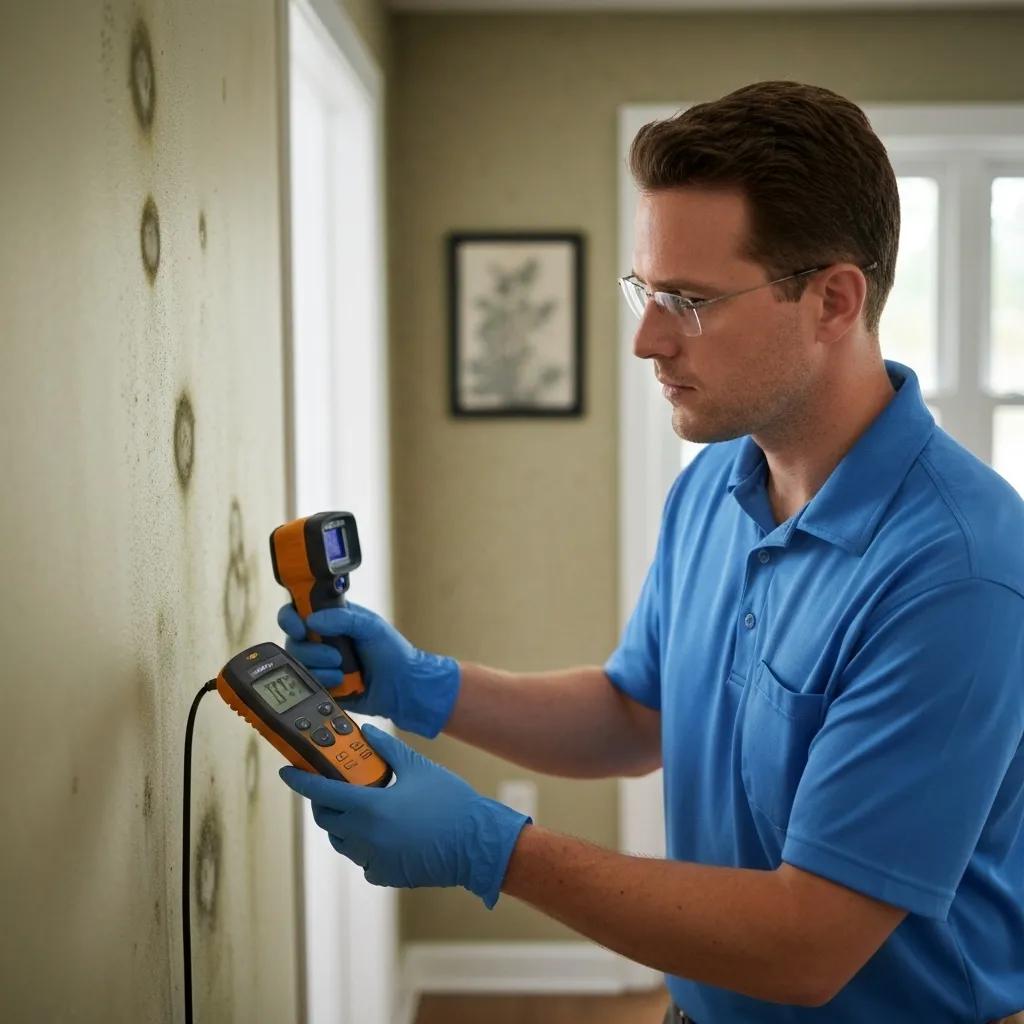
A comprehensive mold inspection and testing process is essential for identifying and addressing mold-related issues within a property. This multifaceted examination typically begins with a thorough visual inspection conducted by trained professionals. Inspectors will assess areas prone to moisture accumulation, such as basements, bathrooms, and under sinks, looking for visible signs of mold growth, water damage, and potential sources of moisture. Additionally, they may utilize advanced tools such as moisture meters and thermal imaging cameras to pinpoint hidden water leaks and damp spots that are not immediately visible to the naked eye. This initial step is crucial, as it lays the groundwork for understanding the extent of the mold problem and the environments in which it thrives.
Following the visual inspection, the next phase involves the collection of air and surface samples for laboratory analysis. This testing is critical for identifying not only the types of mold present but also their concentrations. Labs can analyze samples to determine whether the mold species are toxic or potentially hazardous to health. The inspectors will interpret these results and provide a detailed report outlining their findings, alongside recommendations for remediation if necessary. By integrating both visual assessments and scientific testing, the comprehensive mold inspection and testing process ensures a thorough understanding of mold issues, offering property owners clear insights and actionable steps to maintain a safe and healthy environment.
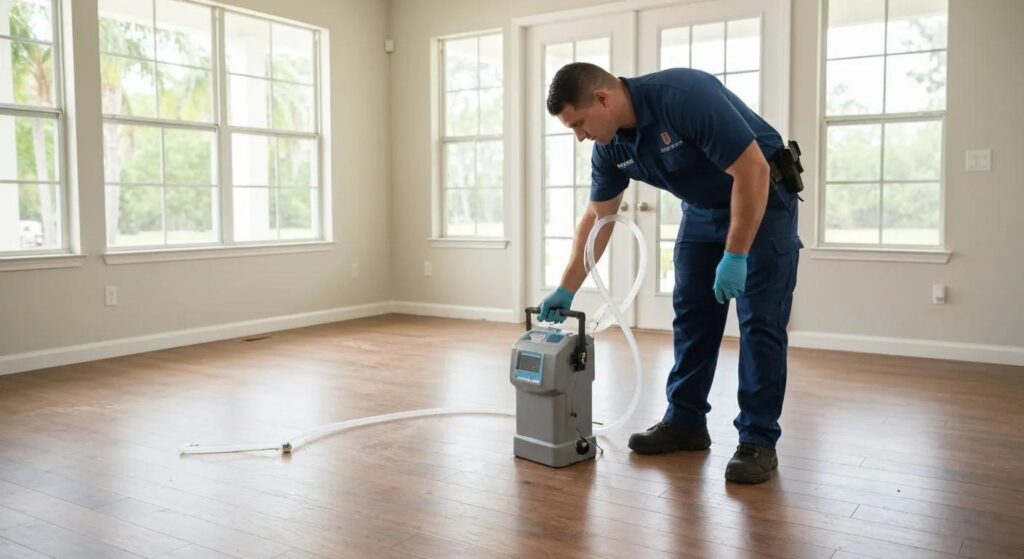
A thorough mold inspection combines visual examination, moisture mapping, environmental monitoring, and laboratory-analyzed samples to produce a detailed, actionable report. Integrating multiple methods reduces false negatives and clarifies contamination sources.
Which Advanced Tools and Technologies Are Used for Accurate Mold Detection?
Inspectors employ infrared thermal cameras to reveal temperature variances indicating moisture intrusion and digital moisture meters to quantify dampness in materials. These technologies locate hidden mold niches, guiding targeted sampling and preventing unnecessary destructive testing.
What Types of Mold Testing Samples Are Collected: Air, Surface, and Wall Cavity?
Diversified sampling captures mold presence across environments:
- Air Samples measure spore concentration in indoor air, expressed as spores per cubic meter.
- Surface Samples collect visible mold or dust residue, confirming species on materials.
- Wall Cavity Samples use swabs or tape lifts behind walls to detect concealed colonies.
How Is the Mold Inspection Report Structured and What Does It Include?
A quality assessment report provides:
- Executive Summary outlining key findings and severity levels.
- Laboratory Data with spore counts and species identification.
- Photographic Evidence documenting contamination areas.
- Moisture Readings mapping damp zones.
- Remediation Protocol recommending cleanup methods and containment procedures.
This format ensures homeowners and contractors understand contamination scope and follow best practices for effective mold removal.
How Much Does Mold Inspection Cost in Florida and What Factors Affect Pricing?
Mold inspection fees in Florida vary based on property size, sample count, testing complexity, and urgency. Transparent pricing helps homeowners budget accurately and compare service offerings.
The following table breaks down cost factors for typical residential inspections:
| Property Size | Sample Count | Estimated Inspection Fee |
|---|---|---|
| Up to 1,000 ft² | 3 | $300–$450 |
| 1,001–2,500 ft² | 5 | $500–$800 |
| Over 2,500 ft² | 7+ | $800–$1,200 |
What Are the Typical Price Ranges for Mold Inspection Services in Florida?
- Small homes (under 1,000 ft²): $300–$450
- Medium properties (1,000–2,500 ft²): $500–$800
- Large or complex buildings (>2,500 ft²): $800–$1,200
How Do Property Size, Number of Samples, and Testing Types Influence Mold Inspection Cost?
- Square Footage: Larger areas require more time for thorough examination.
- Sample Quantity: Each air, surface, or cavity sample incurs lab fees.
- Test Complexity: Specialized mycotoxin or advanced microbial analysis adds premium charges.
Understanding these elements empowers clients to tailor inspection scope to their budget and risk profile.
Are There Additional Fees for Emergency or Specialized Mold Testing Services?
After-hours or emergency inspections typically incur a surcharge of 20–30% due to expedited scheduling. Specialized tests such as ERMI (Environmental Relative Moldiness Index) or mycotoxin assays may add $100–$250 per sample, reflecting advanced laboratory processes and extended analysis times.
How Can You Verify the Reputation and Customer Service of Florida Mold Inspection Companies?
When seeking to verify the reputation and customer service of Florida mold inspection companies, potential clients can utilize several effective strategies. A strong first step is to explore online reviews and ratings on platforms such as Google, Yelp, or the Better Business Bureau. These sources provide insight into past customer experiences, offering important context about the quality of service delivered. Pay attention to both the quantity and recency of the reviews, as a higher volume of positive feedback over time can indicate a consistent level of professionalism and expertise. Additionally, clients should look for responses from the company to any negative feedback. Companies that take the time to address complaints or concerns demonstrate a commitment to customer service and transparency.
Another valuable resource is local community forums or social media groups that discuss home improvement and mold-related issues. Engaging with community members can reveal firsthand accounts of experiences with specific mold inspection companies, helping to glean additional insights into their reputation. Moreover, clients can inquire about the qualifications and certifications held by these companies. Reputable firms will typically be licensed and insured, and will employ technicians certified by recognized organizations such as the Institute of Inspection, Cleaning and Restoration Certification (IICRC). Ultimately, thorough research and community engagement should provide potential clients with a well-rounded picture of a mold inspection company’s reliability and customer service standards, leading to a more informed decision.
Reputable assessors combine professional credentials with clear communication and positive client feedback. Evaluating these factors reveals reliability and customer-centric practices.
What Role Do Client Testimonials and Reviews Play in Choosing a Mold Inspector?
Client testimonials demonstrate real-world satisfaction, highlighting punctuality, thoroughness, and report clarity. Reviews that mention timely scheduling and detailed follow-up indicate a company committed to responsive service and client support.
How Does Clear Communication and Responsiveness Affect the Inspection Experience?
Prompt email or phone replies, transparent explanations of findings, and on-time report delivery reduce stress and accelerate remediation planning. An assessor who explains test results in lay terms builds trust and ensures homeowners understand next steps for a healthy environment.
What Are Florida Mold Remediation Regulations and How Do They Relate to Inspection Services?
Florida mold remediation regulations are established to ensure the health and safety of residents in the state, particularly in response to the tropical climate that fosters mold growth. These regulations are primarily governed by the Florida Department of Business and Professional Regulation (DBPR) and are designed to provide a framework for managing mold-related issues effectively. Professionals involved in mold remediation must hold appropriate licenses, adhere to specific protocols, and use certified equipment to ensure that mold is safely and thoroughly removed from properties. This regulatory framework is vital, as improper handling of mold can lead to serious health risks and further property damage.
For mold inspection services, understanding these regulations is crucial. Certified mold inspectors must be knowledgeable about the legal requirements surrounding mold assessment and remediation to provide reliable and compliant services. These inspectors are responsible for performing thorough evaluations, identifying mold presence, and determining appropriate remediation strategies. Additionally, adherence to Florida’s mold regulations helps ensure that the inspection process aligns with best practices, ultimately safeguarding the well-being of residents and the integrity of their properties. By following regulatory guidelines, both inspectors and remediators contribute to a structured approach that mitigates health risks associated with mold exposure and fosters a safer living environment.
Florida regulations mandate independent assessment and separate remediation licensure to maintain impartial reporting and public safety. Understanding these rules clarifies the assessor’s role and legal safeguards.
What Is the Difference Between Mold Inspection and Mold Remediation in Florida?
Inspection identifies and documents mold contamination, while remediation removes mold and corrects moisture sources. Licensed assessors evaluate conditions pre- and post-cleanup, but remediation crews execute containment, removal, and cleanup protocols under separate licensure.
How Do Florida Regulations Ensure Unbiased Mold Assessment Reporting?
Regulatory safeguards include:
- DBPR Licensing Standards for assessors and remediators
- Mandatory Separation of assessment and remediation services
- Continuing Education Requirements to maintain assessor competence
- Periodic Audits and Compliance Reviews by DBPR
These measures guarantee that reports reflect objective analysis rather than contractual interests.
When Is Post-Remediation Testing Required and Who Performs It?
After remediation, licensed assessors conduct clearance sampling to confirm that mold counts meet safe levels. This final testing step, performed by a different assessor than the one who recommended remediation, verifies successful cleanup and supports reoccupation decisions.
What Are the Next Steps After Choosing a Mold Inspection Service in Florida?
After selecting a mold inspection service in Florida, the next steps involve a strategic progression to ensure a thorough evaluation and effective remediation of any identified mold issues. The initial step typically is to schedule the inspection as soon as possible, as this allows for a timely assessment of the mold situation. During this phase, homeowners and property managers should prepare for the visit by compiling relevant information, such as previous water damage incidents, any signs of mold they have observed, and existing ventilation issues. This proactive communication aids inspectors in pinpointing potential problem areas and streamlining the assessment process.
Once the inspection is complete, the selected service will provide a comprehensive report detailing their findings. This report usually includes the types of mold present, the extent of the infestation, and recommendations for remediation actions if necessary. It is crucial for the property owner to carefully review this report and seek clarification on any concerns they may have. After understanding the scope of the problem, the next steps involve deciding on a course of action, which may include remediation services provided by the inspection company or hiring a specialized contractor for more extensive mold removal. Overall, maintaining open communication with the inspection service throughout this process is essential to ensuring a successful resolution to any mold-related issues.
Once you select a certified assessor, prepare for inspection by clearing access points and documenting concerns. After the inspection, review the detailed report and schedule remediation or preventative measures based on professional recommendations.
How Do You Schedule a Professional Mold Inspection and What to Expect?
Contact the assessment company by phone or online form, choose a convenient appointment, and prepare by granting full access to areas of concern. On inspection day, the assessor will perform a visual survey, record moisture readings, collect samples, and discuss initial observations before departing with a timeline for report delivery.
What Questions Should You Ask Before Hiring a Mold Testing Company in Florida?
When vetting an assessor, ask:
- Are you licensed by the Florida DBPR to perform mold assessments?
- Which industry certifications do you hold and how many continuing education hours do you complete annually?
- Can you provide references or case studies from local clients?
- What is your typical turnaround time for delivering the final report?
How Can Mold Inspection Help Protect Your Health and Property Long-Term?
Regular professional inspections detect moisture intrusion early, maintain indoor air quality, and support insurance claims with documented evidence. Proactive assessment prevents structural damage, lowers remediation costs, and safeguards occupant health by addressing mold before it becomes widespread.
Engaging a certified, independent mold assessor ensures objective evaluation, clear communication, and tailored recommendations. By prioritizing licensing, local expertise, comprehensive methodology, transparent pricing, and strong customer service, you secure a healthy environment and long-term protection for your Florida property.
Conclusion
Choosing a certified mold inspection service in Florida is essential for safeguarding your property and health against the pervasive risks of mold growth. By prioritizing licensed professionals with local expertise, you ensure thorough assessments that lead to effective remediation strategies. Regular inspections not only protect your indoor air quality but also help prevent costly structural damage over time. Take the first step towards a healthier environment by scheduling your mold inspection today.