
What Is Budget Mold Inspection in Florida? Affordable Mold Inspection Costs and Services Explained
Florida’s humid climate and frequent storms create ideal conditions for mold development that can jeopardize respiratory health, trigger allergies, and erode property value. A budget mold inspection in Florida delivers an accessible evaluation of moisture intrusion, visible fungal growth, and baseline air quality using certified techniques and essential testing protocols. This guide examines the typical costs, inspection scope, health and economic advantages, and next steps, while showing how Mold Safe Homes applies licensed expertise and advanced tools without excessive fees. You will learn how price drivers work, what services are included, why timely assessment matters, how to select certified inspectors, compare DIY kits versus professional inspections, and plan for remediation and prevention.
How Much Does a Budget Mold Inspection Cost in Florida?
A budget mold inspection in Florida typically ranges from $300 to $800 for a 1,500-square-foot property, providing a certified visual assessment, moisture mapping, and baseline air sampling to detect hidden mold and airborne spores. This cost band delivers reliable evaluation without extensive lab testing, making professional mold assessment accessible to homeowners and renters on a limited budget. For individuals with allergy sensitivities or property managers seeking quick risk assessment, this service balances affordability with thorough methodology. Understanding price drivers ensures a clear comparison when selecting an inspection provider.
What Factors Influence Mold Inspection Prices in Florida?
Several key elements determine the final expense of a budget mold inspection in Florida.
- Assess property size and layout because larger or more complex floor plans require more time and additional sampling points.
- Consider the number of sample types as each air, surface, or swab test incurs separate laboratory fees.
- Account for geographic location since travel time and regional licensing costs vary across Florida counties.
- Evaluate the inspector’s certifications because advanced credentials often correlate with higher but more accurate service rates.
- Include seasonality as peak humidity months may require specialized moisture detection tools.
Tampa Bay Mold Inspection, (2025)
[Factors Influencing Mold Inspection Costs]
The cost of a mold inspection in Florida is influenced by several factors, including property size, the number of samples taken, geographic location, inspector certifications, and seasonality. Property size directly impacts the duration and depth of the inspection, with larger homes requiring more time and resources.
How Does Property Size Affect Mold Inspection Cost?
Property size directly impacts the duration and depth of a budget mold inspection by dictating the number of rooms, sampling locations, and equipment deployment. For compact apartments under 1,000 square feet, inspectors can complete a basic assessment in one to two hours, whereas larger single-family homes may require multiple hours and additional environmental measurements. Each additional 500 square feet generally adds $50 to $75 to the base fee, reflecting the extra sampling and analysis required. Recognizing this cost scaling helps homeowners budget appropriately for inspections across various property sizes.
What Are Typical Price Ranges for Budget Mold Inspections?
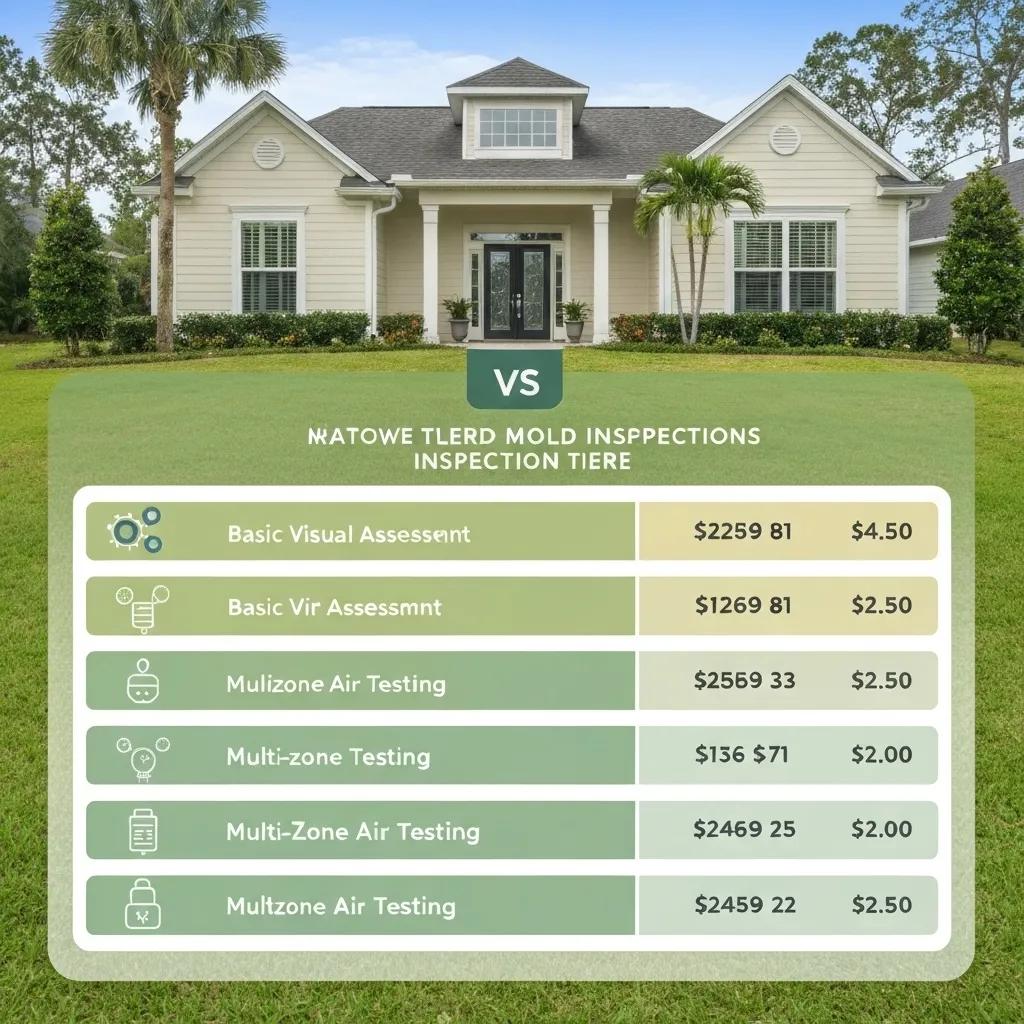
| Inspection Tier | Property Size | Typical Cost |
|---|---|---|
| Basic Visual Assessment | Up to 1,000 sq ft | $250–$350 |
| Standard Air Sampling | 1,001–2,000 sq ft | $350–$500 |
| Expanded Surface Testing | 2,001–3,000 sq ft | $500–$650 |
| Multi-Zone Air & Surface | Over 3,000 sq ft | $650–$800 |
Are There Additional Fees for Mycotoxin or Specialized Testing?
Yes, specialized mycotoxin panels and advanced analyses typically incur extra charges, ranging from $150 to $300 per sample. Fees may also apply for extended clearance sampling after remediation, bulk air samples, or rare species identification based on laboratory protocols. These specialized tests isolate harmful mold-produced toxins and inform more targeted remediation strategies. Factoring in these possible fees ensures full transparency when planning a budget inspection.
What Is Included in an Affordable Mold Inspection in Florida?
An affordable mold inspection in Florida combines a thorough visual survey, targeted moisture detection, and basic sampling to map mold risks, enabling homeowners to address potential threats before they escalate. This service package balances essential testing with cost-effectiveness. For example, certified professionals from Mold Safe Homes employ high-resolution visuals and calibrated moisture meters to identify hidden dampness without adding premium lab expenses. Understanding what is included clarifies the value of a budget inspection versus a full-scope evaluation.
What Does a Visual Mold Inspection Entail?
A visual mold inspection involves methodical examination of accessible surfaces for discoloration, staining, and structural damage. Inspectors document wood rot, peeling paint, and water stains, using thermal imaging cameras to reveal concealed moisture behind walls and ceilings. This phase establishes a baseline for potential mold colonization and guides sampling locations. Completing a comprehensive visual survey sets the stage for precise moisture and air quality measurements in subsequent steps.
How Are Moisture and Hidden Mold Sources Detected?
- Use moisture meters to measure water content in drywall, wood framing, and concrete slabs.
- Deploy infrared thermal cameras to visualize temperature differentials that indicate evaporative cooling from moisture intrusion.
- Probe insulation and crawl spaces to uncover leaks and condensation hotspots.
- Inspect HVAC systems and ductwork for accumulated sludge or microbial film.
Is Mycotoxin Testing Part of a Budget Mold Inspection?
Yes, many budget packages offer optional mycotoxin testing as an add-on service. Mycotoxin screening analyzes toxins produced by mold, such as aflatoxins and ochratoxins, to assess health risks more precisely. Including this layer of testing provides data on toxic exposure that visual and air sampling alone cannot deliver, allowing for tailored remediation guidance and improved occupant safety.
What Kind of Report and Recommendations Will You Receive?
| Report Section | Included Details | Benefits |
|---|---|---|
| Executive Summary | Key findings and cost overview | Enables quick decision-making |
| Visual Inspection Notes | Photographic evidence and moisture readings | Identifies critical problem areas |
| Lab Test Results | Spore counts, species identification, mycotoxin levels | Guides precise remediation planning |
| Remediation Recommendations | Step-by-step strategies and contractor referrals | Ensures effective mold removal |
Why Is Mold Inspection Crucial for Florida Homes? Understanding Climate and Health Risks
A timely mold inspection is essential in Florida because the state’s persistent humidity and seasonal storms fuel mold proliferation that can undermine structural integrity and trigger serious health issues. Early detection prevents hidden colonies from expanding, reduces restoration costs, and safeguards indoor air quality. For health-sensitive individuals and families, identifying mold before symptoms emerge offers peace of mind and preserves long-term well-being. Recognizing the interplay between climate and mold risks underscores the importance of regular assessments.
How Does Florida’s Humid Climate Promote Mold Growth?
Florida’s average indoor humidity often exceeds 60 percent, providing an ideal environment for mold spores to germinate and colonize porous materials. Frequent tropical storms introduce water intrusion through roofs, windows, and foundations, while warm temperatures accelerate fungal metabolism. This combination of moisture and heat creates a cycle of continuous mold development, particularly in poorly ventilated areas like bathrooms and crawl spaces. Mitigating these conditions through routine inspections reduces long-term damage.
What Are the Health Risks of Mold and Mycotoxin Exposure?
| Health Effect | Mechanism | At-Risk Populations |
|---|---|---|
| Allergic Reactions | Immune response to spore proteins | Asthmatics, allergy sufferers |
| Respiratory Inflammation | Airway irritation by toxins | Children, elderly |
| Neurological Symptoms | Mycotoxin entry via inhalation | Immunocompromised adults |
| Chronic Fatigue | Systemic toxin burden | Mold-sensitive individuals |
US EPA, (2024)
[Health Risks Associated with Mold Exposure]
Exposure to mold can cause various health issues, including allergic reactions, respiratory inflammation, and neurological symptoms. These health effects can vary depending on the individual and the type of mold.
How Can Early Mold Inspection Protect Your Property Value?
Early assessment helps homeowners avoid extensive structural damage and costly restoration. By identifying water leaks, compromised insulation, and active mold colonies at an early stage, property owners can authorize targeted remediation that preserves lumber, drywall, and paint. Timely interventions maintain resale appeal and prevent insurance claims or legal disputes. Proactive inspections ultimately reduce repair budgets and support stronger equity retention.
How to Choose a Certified and Affordable Mold Inspector in Florida?
Selecting a certified and cost-effective inspector ensures credible results and actionable guidance without budget shock. Certification validates specialized training in mold assessment protocols, while local expertise brings familiarity with Florida’s building styles and climate challenges. Comparing multiple providers on credentials, sampling methods, and pricing transparency helps homeowners secure reliable inspections at competitive rates. Informed selection protects health, finances, and property.
What Certifications Should Florida Mold Inspectors Have?
- Hold a state-issued Mold Assessor license because Florida law mandates this credential for official inspections.
- Maintain IICRC or ACAC certifications as they demonstrate specialized proficiency in microbial assessment and remediation.
- Complete continuing education in mycotoxin analysis to ensure current knowledge of health-risk evaluation.
- Adhere to ASTM or ANSI inspection protocols for standardized sampling and reporting procedures.
MyFloridaLicense.com, (2025)
[Florida Mold Inspector Certifications]
To ensure credible results, it is important to select a certified and cost-effective inspector. Certifications such as those from IICRC or ACAC demonstrate specialized proficiency in microbial assessment and remediation. Florida law mandates a state-issued Mold Assessor license for official inspections.
Why Is Local Florida Expertise Important for Mold Inspection?
Local expertise equips inspectors with insight into regional building materials, typical moisture intrusion points, and seasonal weather patterns. Professionals familiar with Florida masonry foundations and stucco exteriors can anticipate common leak sources and configure sampling strategies accordingly. Choosing a provider with area-specific experience streamlines assessments and avoids unnecessary testing, optimizing both time and cost.
What Questions Should You Ask Before Hiring a Mold Inspector?
- What is included in the base inspection fee and which tests incur extras?
- How many air and surface samples are standard for my property size?
- What laboratory standards and turnaround times apply to sample analysis?
- Can you provide examples of past inspection reports and client references?
- What warranty or follow-up services do you offer after remediation?
What Are the Differences Between DIY Mold Testing and Professional Budget Mold Inspections?
DIY mold testing kits allow homeowners to collect basic air or surface samples, but they lack the comprehensive expertise and equipment required for accurate risk assessment. Professional budget inspections deliver certified visual surveys, calibrated moisture measurements, and laboratory-validated results that account for species identification and toxin levels. Understanding the shortcomings of DIY kits highlights when investing in a professional evaluation is necessary to protect health and property.
What Are the Limitations of DIY Mold Testing Kits?
- Provide only a preliminary snapshot without systematic sampling protocols.
- Lack moisture detection tools, omitting concealed water intrusion analysis.
- Fail to identify specific mold species or mycotoxin concentrations.
- Offer no professional interpretation or remediation guidance.
- Often produce false negatives if sampling methods are improperly executed.
How Do Professional Inspections Provide More Accurate Results?
- Employ moisture meters and thermal cameras to detect hidden dampness.
- Follow ASTM-compliant sampling plans for statistically valid data.
- Utilize accredited laboratories that deliver species-level identification and toxin quantification.
- Integrate visual findings with quantitative measurements for holistic analysis.
- Offer expert recommendations tailored to inspection results and structural conditions.
When Is Professional Mold Testing Necessary in Florida Homes?
- They detect persistent musty odors or visible mold despite DIY cleanup.
- Residents experience unexplained allergy or respiratory symptoms.
- Renovations expose structural cavities and potential hidden growth.
- Selling or buying a property requires documented clearance reports.
- Water damage events such as floods or leaks occur.
What Are the Next Steps After a Budget Mold Inspection in Florida?
Once inspection findings and laboratory reports arrive, the next steps involve interpreting results, planning cost-effective remediation, and implementing prevention measures. Clear understanding of each test outcome supports targeted work scopes, minimizing repair expenses and enhancing long-term humidity control. Coordinated action following inspection protects health and prevents recurrence of mold issues.
How to Understand Your Mold Inspection Report and Lab Results?
Review the executive summary first to grasp key problem areas and cost estimates. Examine spore counts and species identifications to prioritize remediation zones. Compare indoor versus outdoor control samples to confirm abnormal mold concentrations. Consult remediation recommendations for step-by-step guidance on addressing each issue. Interpreting the report in detail ensures that remediation work aligns precisely with underlying causes.
What Budget-Friendly Mold Remediation Options Are Available in Florida?

| Remediation Option | Cost Range | Key Outcome | Why Essential |
|---|---|---|---|
| Targeted Surface Cleaning | $200–$500 | Removes visible mold | Stops minor outbreaks before they spread |
| Localized Drywall Repair | $500–$1,200 | Replaces contaminated surfaces | Prevents spore regrowth in water-damaged areas |
| HEPA Air Scrubbing | $300–$700 | Captures airborne spores | Improves indoor air quality rapidly |
| Full-Area Remediation | $1,500–$4,000 | Eliminates high-risk colonies | Restores structural integrity and safety |
How Can You Prevent Future Mold Growth in Florida Homes?
- Install dehumidifiers in high-risk zones to maintain indoor humidity below 50 percent.
- Repair leaks and seal foundation cracks promptly to block water intrusion.
- Improve ventilation in bathrooms and kitchens with exhaust fans and window louvres.
- Schedule annual visual inspections to catch early signs of mold before colonies expand.
- Use mold-resistant paints and building materials in renovation projects.
What Are Common Signs You Need a Mold Inspection in Your Florida Home?
Recognizing early indicators of mold infestation enables timely professional evaluation. Visual spotting, musty odors, and unexplained health symptoms all warrant a budget mold inspection to identify hidden risks and confirm safe living conditions. Understanding these warning signs empowers homeowners and renters to act before minor issues evolve into expensive damage.
How to Identify Visible Mold and Musty Odors?
Visible mold often appears as black, green, or white fuzzy patches on walls, ceilings, and window frames. Peeling paint, bubbling wallpaper, and water stains frequently accompany these colonies. Persistent musty odors signal ongoing microbial activity behind walls or under flooring. Noting these signs guides inspectors to the most affected areas and shapes sampling strategies for accurate detection.
What Are Hidden Mold Indicators Related to Water Damage?
- Check for warped or buckled floorboards in moisture-prone rooms.
- Inspect baseboards and trim for discoloration or soft spots.
- Monitor HVAC filters for black dust or spore accumulations.
- Notice unexplained increases in indoor humidity or condensation.
- Look for rust stains and efflorescence on concrete surfaces.
When Should Renters and Homeowners Schedule a Mold Inspection?
- Purchasing a Florida property to confirm a safe indoor environment.
- After any flooding, roof leak, or plumbing malfunction.
- Experiencing unexplained allergy or respiratory symptoms.
- Entering peak humidity seasons between June and September.
- Preparing for post-remediation clearance verification.
Mold inspections conducted on a budget level can deliver critical insights into moisture intrusion, hidden fungal colonies, and air quality without the premium price tag—empowering Florida homeowners and renters to protect their health and preserve property value. By understanding cost drivers, inspection components, and post-assessment actions, you can engage certified professionals who balance affordability with thorough methodology. Mold Safe Homes’ certified inspectors combine visual surveys, moisture mapping, and targeted sampling to uncover risks early and recommend budget-friendly remediation strategies. Take the first step toward a healthier home environment by scheduling an inspection that fits your budget and safeguards your Florida property.
Frequently Asked Questions
What should I do if mold is found during the inspection?
If mold is detected during your inspection, the first step is to consult the remediation recommendations provided in your inspection report. These recommendations will outline the necessary steps to safely remove the mold and prevent future growth. It’s advisable to hire a certified mold remediation professional to handle the cleanup, especially if the mold covers a large area or if it is a toxic variety. Following the remediation, consider scheduling a follow-up inspection to ensure the issue has been fully resolved.
How often should I schedule a mold inspection in Florida?
In Florida’s humid climate, it’s recommended to schedule a mold inspection at least once a year, especially before and after the peak humidity season from June to September. Additionally, you should consider an inspection after any significant water intrusion events, such as flooding or plumbing leaks. Regular inspections help catch potential mold issues early, allowing for timely remediation and preventing costly damage to your property.
Can I stay in my home during mold remediation?
Whether you can stay in your home during mold remediation depends on the extent of the mold problem and the area affected. If the mold is contained to a small area and the remediation process is straightforward, you may be able to remain in your home. However, if there is extensive mold growth or if toxic mold is present, it is safer to vacate the premises until the remediation is complete. Always follow the advice of your remediation professional regarding safety precautions.
What are the signs that I need a mold inspection?
Common signs that indicate the need for a mold inspection include visible mold growth, musty odors, unexplained health symptoms (such as respiratory issues or allergies), and water damage from leaks or flooding. Additionally, if you notice increased humidity levels or condensation in your home, it may be time to schedule an inspection. Early detection is crucial to prevent further mold growth and protect your health and property.
Are there any DIY methods to prevent mold growth?
Yes, there are several DIY methods to help prevent mold growth in your home. Keeping indoor humidity levels below 50% is essential; using dehumidifiers and ensuring proper ventilation in moisture-prone areas like bathrooms and kitchens can help. Regularly inspecting for leaks and promptly repairing any water damage is also crucial. Additionally, using mold-resistant paints and materials during renovations can provide an extra layer of protection against mold growth.
What should I expect in a mold inspection report?
A mold inspection report typically includes an executive summary of findings, detailed notes from the visual inspection, laboratory test results, and remediation recommendations. The report will outline areas of concern, such as moisture levels and mold species identified, along with suggested next steps for remediation. Understanding this report is vital for addressing any mold issues effectively and ensuring a safe living environment.
How can I choose the right mold inspector in Florida?
To choose the right mold inspector in Florida, look for certified professionals with a state-issued Mold Assessor license and relevant certifications from organizations like IICRC or ACAC. Check their experience with local building types and moisture issues specific to Florida. It’s also beneficial to read reviews, ask for references, and inquire about their inspection methods and what is included in their services. A transparent and knowledgeable inspector will help ensure a thorough evaluation.
Conclusion
Conducting a budget mold inspection in Florida is essential for safeguarding your health and property value, especially in a climate prone to mold growth. By understanding the costs, inspection components, and the importance of timely assessments, homeowners can make informed decisions that protect their living environment. Engaging certified professionals ensures thorough evaluations and effective remediation strategies tailored to your needs. Schedule your budget-friendly mold inspection today to take the first step toward a healthier home.