How Affordable Mold Inspections Save You Money in Florida: A Homeowner’s Complete Guide
Florida’s humid climate puts over 70% of homes at risk for hidden mold damage—and what starts as a small patch behind drywall can turn into a $10,000 remediation project. Investing in affordable mold inspection services in Florida isn’t an expense; it’s a strategic move to protect your health, preserve property value, and avoid steep repair bills. In this guide, you’ll discover why early detection matters, what a thorough inspection entails, how professional testing safeguards well-being, ways inspections prevent structural and resale losses, typical costs in Florida, cutting-edge detection technologies, how to select the right service, and answers to common homeowner questions. By understanding these elements, you transform a routine inspection into a money-saving investment.
Why Is Early Mold Detection Essential for Saving Money?
Early mold detection means identifying moisture intrusion and microbial growth before spores spread and compromise building materials. Detecting mold at its inception prevents extensive remediation, reduces health-related expenses, and preserves resale value. For example, spotting a small colony behind a baseboard can save thousands in demolition and reconstruction costs while protecting your family’s well-being.
How Do Mold Inspections Prevent Costly Remediation?
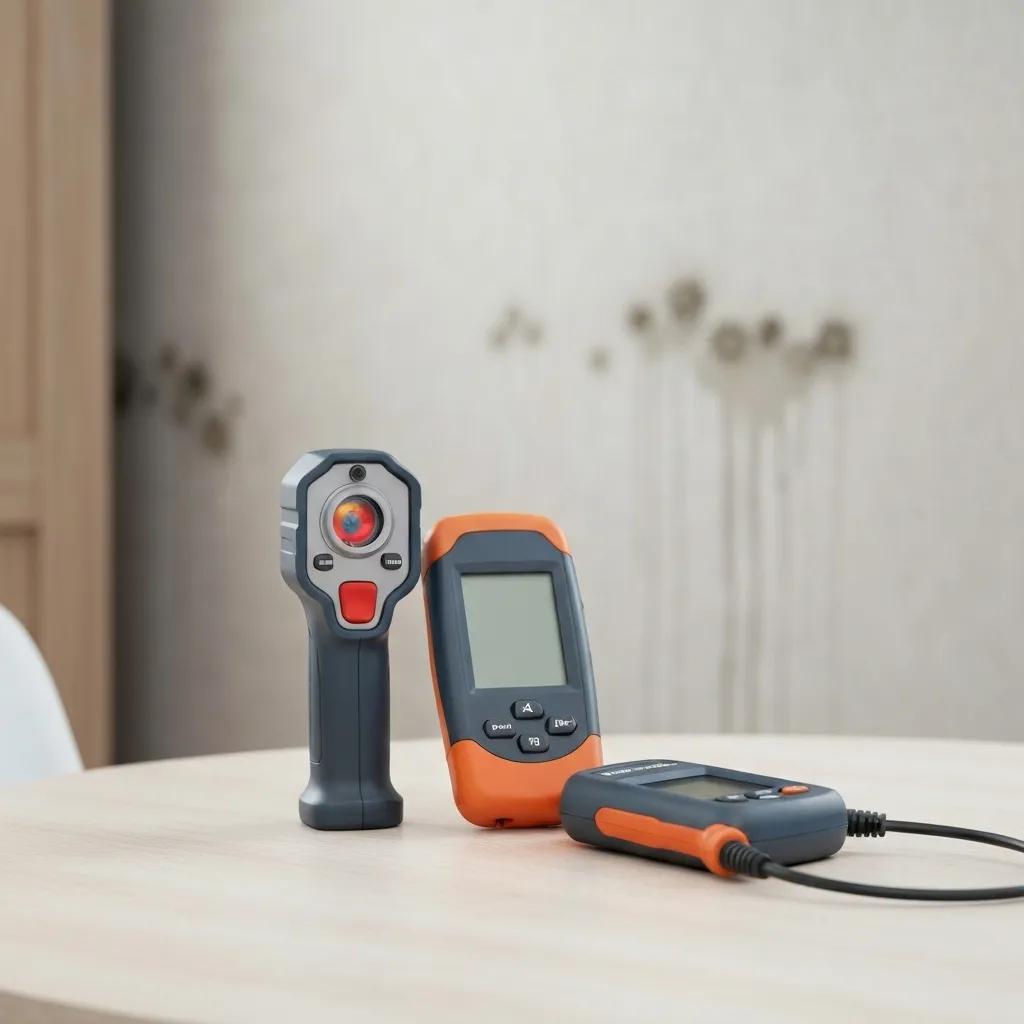
A professional mold inspection locates hidden moisture and microbial colonies using infrared cameras and targeted sampling, stopping minor concerns from escalating into multi-thousand-dollar remediation projects. Key prevention steps include:
- Locating moisture entry points through thermal imaging to address leaks before structural decay accelerates.
- Quantifying spore concentrations in air and on surfaces to determine containment needs and avoid whole-home remediation.
- Recommending timely repairs and ventilation upgrades to curtail mold proliferation and costly reconstruction.
These measures demonstrate how inspection services translate into direct savings by limiting the scope and expense of cleanup.
What Are the Financial Risks of Ignoring Mold Growth?
Ignoring mold growth risks mounting medical bills, lost workdays, and structural repairs that far outweigh inspection fees. Untreated mold can trigger chronic health issues and compromise load-bearing materials.
Health-Related Financial Burdens:
| Health Issue | Typical Treatment Cost | Productivity Impact |
|---|---|---|
| Allergic Rhinitis | $200 – $600 per year | 5–10 lost workdays annually |
| Asthma Exacerbation | $1,000 – $3,000 per event | Emergency visits and hospital stays |
| Chronic Sinus Infections | $2,000 – $5,000 per year | Reduced daily functioning |
Early detection through mold inspection can reduce both the financial and productivity burdens illustrated above.
How Does Mold Affect Property Value and Resale Potential?
Visible or documented mold issues can cut a home’s resale value by up to 10%, as buyers and appraisers discount properties with moisture concerns.
[The Impact of Mold on Property Value]
Visible mold issues can decrease a home’s resale value. Buyers and appraisers often discount properties with mold concerns, potentially reducing the sale price by up to 10%.
National Association of Realtors, Real Estate Appraisal Standards (2024)
A mold-free certification boosts buyer confidence, shortens listing times, and can even lead to competitive offers above asking price.
Can Mold Inspection Reports Help with Insurance Claims?
A detailed inspection report records moisture intrusion, mold species identified, and recommended remediation steps, providing the documentation insurers require to process claims. Such evidence accelerates claim approvals, offsets remediation costs, and reduces out-of-pocket expenses for homeowners.
What Does an Affordable Mold Inspection Include in Florida?
An affordable mold inspection in Florida combines visual examination, moisture detection, targeted sampling, and a clear remediation roadmap to deliver maximum value at a budget-friendly price. This service uncovers issues before they escalate, ensuring you address mold without overspending on unnecessary testing.
How Are Visual Assessments and Moisture Mapping Conducted?
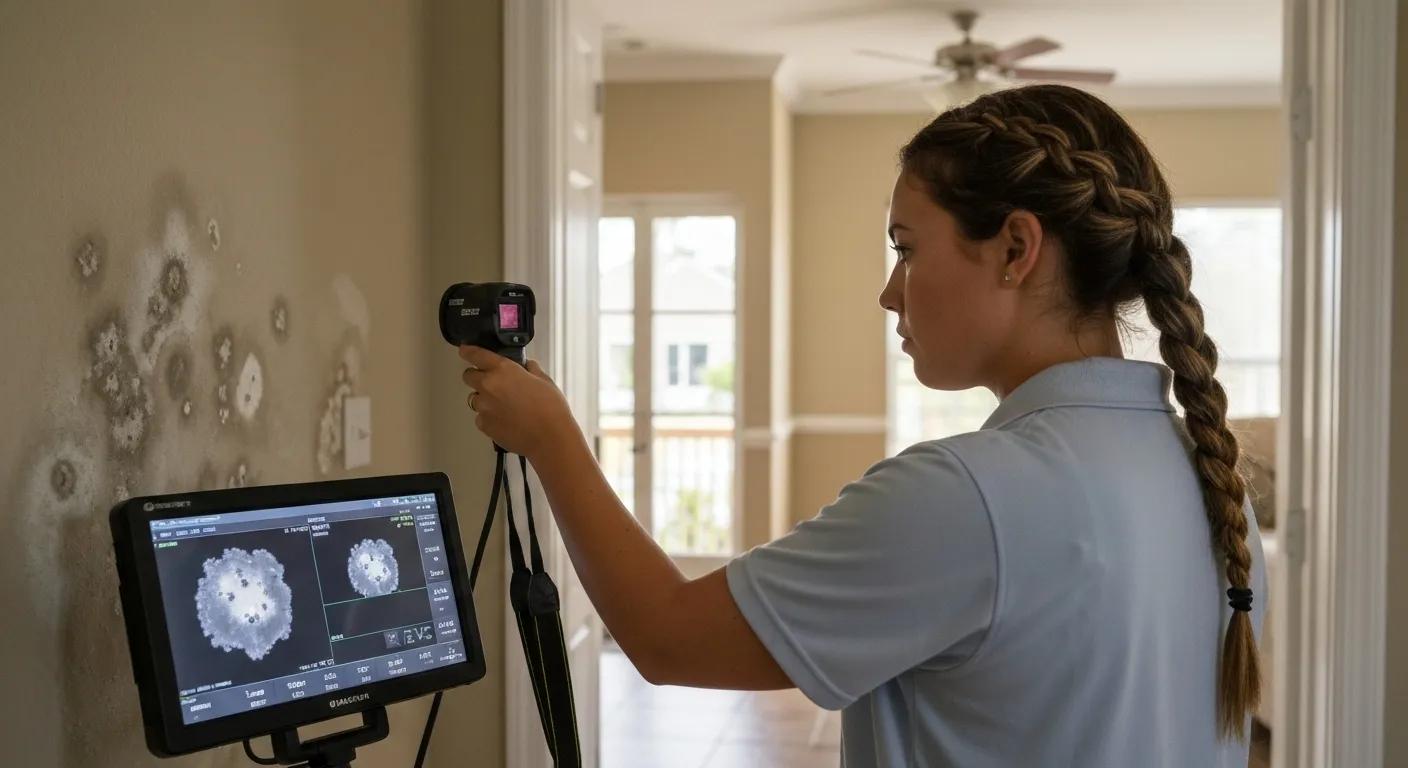
Inspectors use infrared cameras and moisture meters to scan walls, ceilings, and hidden cavities for temperature anomalies and elevated dampness.
- Infrared imaging pinpoints cold spots and water leaks behind finishes.
- Moisture meters quantify moisture content within drywall, wood, and subflooring.
- Humidity sensors track ambient moisture trends over time.
This combination guarantees no hidden hotspots go unnoticed, laying the groundwork for targeted testing.
What Role Does Targeted Sampling and Mycotoxin Testing Play?
Air and surface samples reveal mold species concentrations, while mycotoxin analysis detects toxic byproducts that pose serious health risks.
- Air sampling measures airborne spore levels to assess inhalation hazards.
- Surface swabs identify contamination on walls, HVAC components, and furnishings.
- Mycotoxin assays screen for toxins linked to respiratory and neurological symptoms.
Targeted sampling ensures remediation focuses on the most dangerous contaminants.
How Are Inspection Reports Structured for Clear Remediation Guidance?
Inspection reports include an executive summary, findings with photographic evidence, spore-count tables, prioritized recommendations, and estimated cost ranges.
- Executive Summary highlights key concerns and next steps.
- Findings document locations, mold types, and moisture sources.
- Recommendations assign urgency levels and remediation methods.
- Cost Estimates guide budgeting for professional cleanup.
This structure empowers homeowners and contractors to act efficiently and avoid guesswork.
How Do Professional Mold Inspections Protect Your Health and Save Money?
Professional mold inspections integrate testing protocols that identify health hazards early, preventing medical expenses and productivity losses. By pinpointing hidden mold and mycotoxins, inspections support proactive remediation and indoor air quality improvements.
What Health Risks Are Identified Through Mold Testing?
Mold testing uncovers immune responses and respiratory triggers before symptoms escalate:
- Allergies and Rhinitis from common spores such as Cladosporium and Alternaria.
- Asthma Flare-Ups due to elevated Aspergillus and Penicillium concentrations.
- Sinus Infections linked to mold-induced inflammation.
Identifying these risks early prevents costly doctor visits and ongoing treatments.
How Does Mycotoxin Testing Detect Toxic Mold Byproducts?

Mycotoxin assays analyze settled dust and air samples for chemicals produced by Stachybotrys, Fusarium, and other toxigenic molds. Detecting mycotoxins guides specialized remediation techniques that neutralize toxins and protect vulnerable individuals.
In What Ways Does Mold Removal Improve Indoor Air Quality?
Thorough mold removal reduces spore counts, lowers allergen levels, and stabilizes humidity, resulting in cleaner air:
- Spore counts drop by up to 85% after professional remediation.
- Allergen concentrations decrease, alleviating respiratory distress.
- Controlled humidity prevents future microbial growth.
Improved air quality promotes well-being and reduces long-term healthcare costs.
Who Should Prioritize Mold Inspections Due to Sensitivities or Chronic Illness?
Households with asthma sufferers, allergy-prone individuals, infants, the elderly, or anyone with compromised immunity should schedule inspections promptly. Proactive testing safeguards those most at risk and averts high treatment expenses.
How Does Mold Inspection Preserve Property Value and Prevent Structural Damage?
Mold assessments protect the integrity of structural components by identifying moisture intrusion and material decay before frames, joists, and finishes deteriorate. This foresight preserves home equity and avoids costly rebuilds.
How Does Early Mold Detection Safeguard Long-Term Property Investment?
By catching mold in its initial stages, inspections prevent rot and wood-frame deterioration that can compromise load-bearing walls. This protection maintains market value and structural safety for decades.
What Are the Signs of Mold-Related Structural Damage?
Common indicators include:
- Warped or swollen floorboards from prolonged dampness.
- Peeling paint and blistering drywall at moisture entry points.
- Musty odors behind walls signaling hidden microbial colonies.
Recognizing these signs early reduces the risk of extensive reconstruction.
How Does a Mold-Free Certification Boost Buyer Confidence?
A certified mold-free report signals to buyers and lenders that the property is well-maintained, reducing contingencies, expediting closings, and often resulting in higher sale offers.
What Are the Typical Costs and Value of Mold Inspections in Florida?
Mold inspection costs in Florida vary by scope and property size but typically deliver returns that outweigh initial fees by preventing expensive remediation and health-related expenses.
| Inspection Type | Average Cost | Savings Potential |
|---|---|---|
| Standard Visual & Sampling | $300 – $500 | Avoids $1,500+ remediation |
| Expanded Mycotoxin Testing | $600 – $1,000 | Prevents $5,000+ repairs |
Comparing these figures shows how upfront inspection fees translate into cost avoidance.
What Is the Average Mold Inspection Cost in Florida?
A basic inspection on a typical single-family home ranges from $300 to $500. Larger homes, additional sample locations, or mycotoxin panels can raise costs to $700–$1,000, still well below potential multi-thousand-dollar remediation bills.
Which Factors Influence Mold Inspection Pricing?
Inspection pricing depends on:
- Property Size – Larger square footage requires more time and samples.
- Sampling Scope – Number of air and surface tests ordered.
- Testing Types – Inclusion of mycotoxin and clearance testing.
- Location & Travel – Distance to remote or coastal areas.
These factors explain why customized quotes ensure both affordability and thorough coverage.
How Do Affordable Inspections Compare to Comprehensive Services?
Affordable inspections focus on visual assessment and basic sampling, ideal for initial screening. Comprehensive services include clearance testing, humidity monitoring, and mycotoxin analysis—providing full coverage for high-risk properties and sensitive occupants.
How Does Florida’s Humid Climate Affect Mold Inspection Needs?
Year-round humidity accelerates microbial growth, making biannual inspections advisable. Routine checks during rainy seasons catch moisture issues before they become widespread.
What Advanced Technologies Enhance Mold Inspection Accuracy and Savings?
Innovative tools streamline detection, pinpoint high-risk areas, and minimize invasive testing—saving time and expense while ensuring no hidden mold goes unnoticed.
How Do Infrared Cameras Detect Hidden Mold and Moisture?
Infrared cameras reveal temperature anomalies caused by evaporative cooling at moisture sources, allowing inspectors to identify leaks behind walls and ceilings without demolition.
What Is the Role of Moisture Meters and Humidity Sensors?
Moisture meters measure water content in building materials to confirm elevated dampness, while humidity sensors log environmental trends, helping predict hotspots before colonization.
How Are Air and Surface Sampling Techniques Used in Testing?
Air sampling draws known volumes of air through spore-capture cassettes for laboratory analysis, while surface swabs collect mold fragments for species identification—together defining contamination hotspots.
What Future Trends in Mold Detection Could Improve Cost Savings?
Emerging technologies promise faster, more precise inspections:
- AI-Enhanced Thermal Imaging – Automated hotspot detection for instant results.
- Portable DNA Sequencing – On-site species identification in minutes.
- Inspection Drones – Aerial and inaccessible area scanning to reduce labor costs.
These advances will further cut inspection times and remediation scope.
How Can You Choose the Right Affordable Mold Inspection Service in Florida?
Selecting a provider with certified expertise, transparent pricing, regional insight, and proven results ensures you reap maximum benefits from your investment.
What Certifications and Expertise Should You Look For?
Seek credentials such as ACAC, IICRC, and NORMI. Certified inspectors demonstrate mastery of testing protocols and remediation standards.
How Important Is Transparent Pricing and No Hidden Fees?
Clear, itemized estimates prevent surprises. A trustworthy service outlines exact sample counts, lab fees, and report charges up front—ensuring you pay only for what you need.
Why Does Local Knowledge of Florida’s Mold Challenges Matter?
A local provider understands how coastal humidity, seasonal storms, and building codes influence mold risks. This regional expertise leads to more accurate assessments and tailored prevention strategies.
How Do Customer Testimonials and Case Studies Demonstrate Savings?
Real-world examples—such as a homeowner who avoided a $12,000 HVAC overhaul after a $450 inspection—illustrate the financial and health benefits of professional mold testing.
What Are the Most Common Questions About Affordable Mold Inspections?
How Much Does a Mold Inspection Cost in Florida?
A basic mold inspection in Florida typically costs $300–$500 for a standard single-family home, with expanded sampling panels reaching up to $1,000—an investment that prevents exponentially higher remediation fees.
Is Mold Inspection Worth the Investment?
Yes, by identifying moisture sources and microbial growth early, inspections save thousands in structural repairs, reduce medical expenses, and maintain or increase property value over time.
When Should You Schedule a Mold Inspection?
Schedule an inspection after any flooding event, upon noticing musty odors, before listing a home for sale, or if occupants experience unexplained respiratory or allergy symptoms.
Does Homeowners Insurance Cover Mold Inspections or Remediation?
Most policies exclude routine inspection fees, but a detailed inspection report can support claims for remediation under covered water-damage or flood events, potentially offsetting cleanup costs.
How Does Mold Inspection Save Money on Future Repairs?
By pinpointing hidden leaks and mold colonies, inspections enable targeted remediation that stops structural deterioration and HVAC system contamination before they require expensive overhauls.
Affordable mold inspections transform what seems like a service cost into an investment that pays dividends in health, structural integrity, and financial protection. Homeowners who partner with a certified provider can rest assured that a small upfront fee today prevents substantially larger expenses tomorrow. Contact Mold Safe Homes to schedule your inspection and start safeguarding your Florida property.
Conclusion
Affordable mold inspections are a proactive investment that protects your health, preserves property value, and prevents costly repairs. By identifying moisture issues and microbial growth early, homeowners can save thousands in remediation costs and enhance indoor air quality. Partnering with a certified inspection service ensures you receive expert guidance tailored to Florida’s unique climate challenges. Schedule your inspection today with Mold Safe Homes and take the first step towards safeguarding your property.