How to Find Low-Cost Mold Assessment in Florida: Affordable Mold Inspection Services and Expert Guidance
Mold affects nearly 50 percent of Florida homes due to the state’s humid climate, creating hidden health hazards and property damage if left unchecked. Finding an affordable mold assessment doesn’t mean sacrificing quality—this guide explains inspection versus testing, cost drivers, strategies for budget-friendly services, legal requirements, health implications, and expert criteria for choosing a certified professional. You’ll discover how MoldSafeHomes.com’s Certified Mold and Mycotoxin Assessments leverage advanced equipment, Florida climate expertise, and a compassionate, conflict-free approach to deliver reliable, low-cost solutions. We’ll cover:
Florida's Humid Climate and Mold Growth
Florida’s humid climate significantly contributes to mold growth in homes, potentially leading to health hazards and property damage. This necessitates regular assessments to identify and address mold issues promptly.
Centers for Disease Control and Prevention (CDC), “Mold”
This source supports the article’s introduction by highlighting the environmental factors that make mold a prevalent concern in Florida.
- What distinguishes mold inspection from mold testing
- Key factors that drive assessment pricing in Florida
- Proven tactics to compare quotes and avoid cut-rate pitfalls
- Florida’s licensing rules, tenant/landlord responsibilities, and insurance coverage
- Health risks of exposure, mycotoxin concerns, and protection for sensitive individuals
- Credentials, questions to vet inspectors, and DIY versus professional limits
- How MoldSafeHomes.com stands apart with regional specialization and state-of-the-art tools
- City-specific options in Miami, Orlando, and Tampa
- Step-by-step process of a low-cost assessment
- A concise overview of common inquiries about affordable mold assessments
Whether you’re a homeowner, renter, property manager, or legal professional, this comprehensive resource empowers you to secure an expert mold evaluation at a price you can afford.
What Is the Difference Between Mold Inspection and Mold Testing in Florida?
Mold inspection and mold testing are complementary Services that together ensure a thorough assessment of indoor mold conditions in Florida homes.
What Does a Mold Inspection Include?
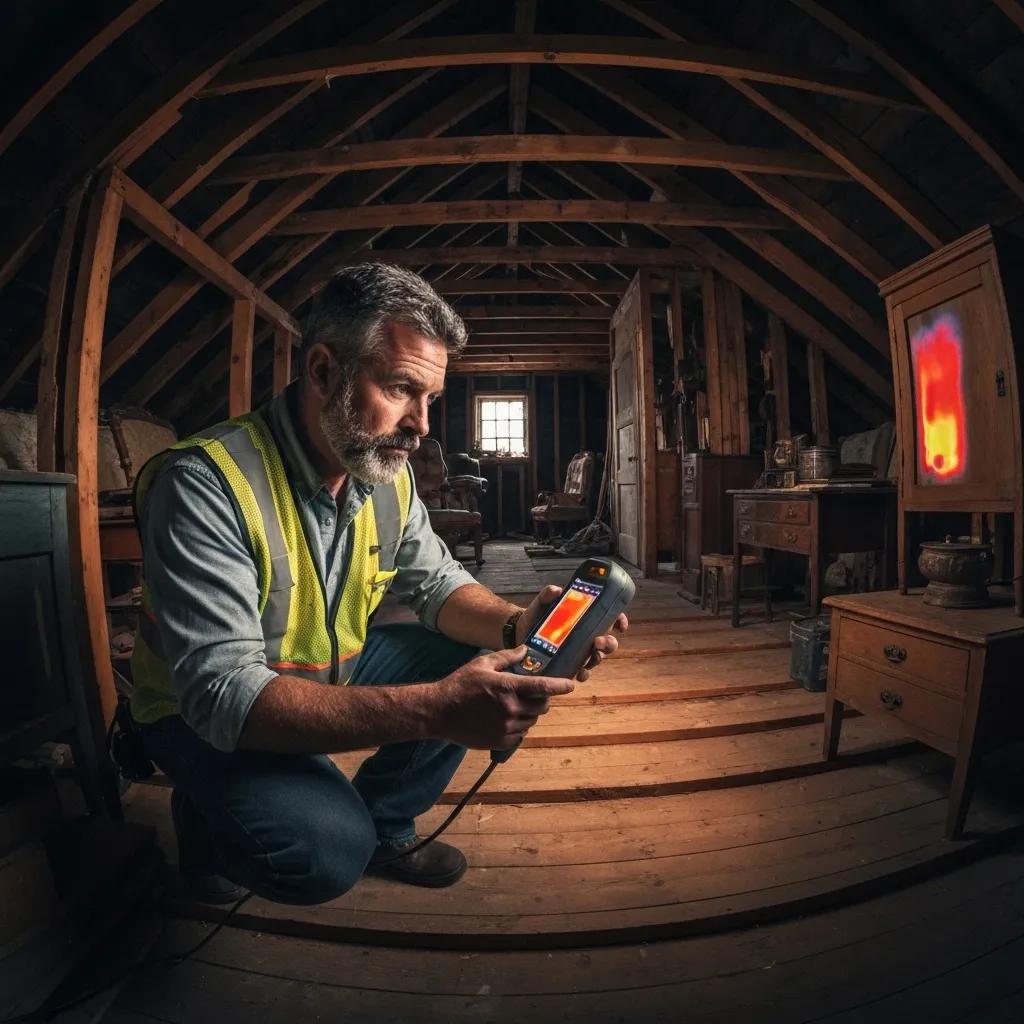
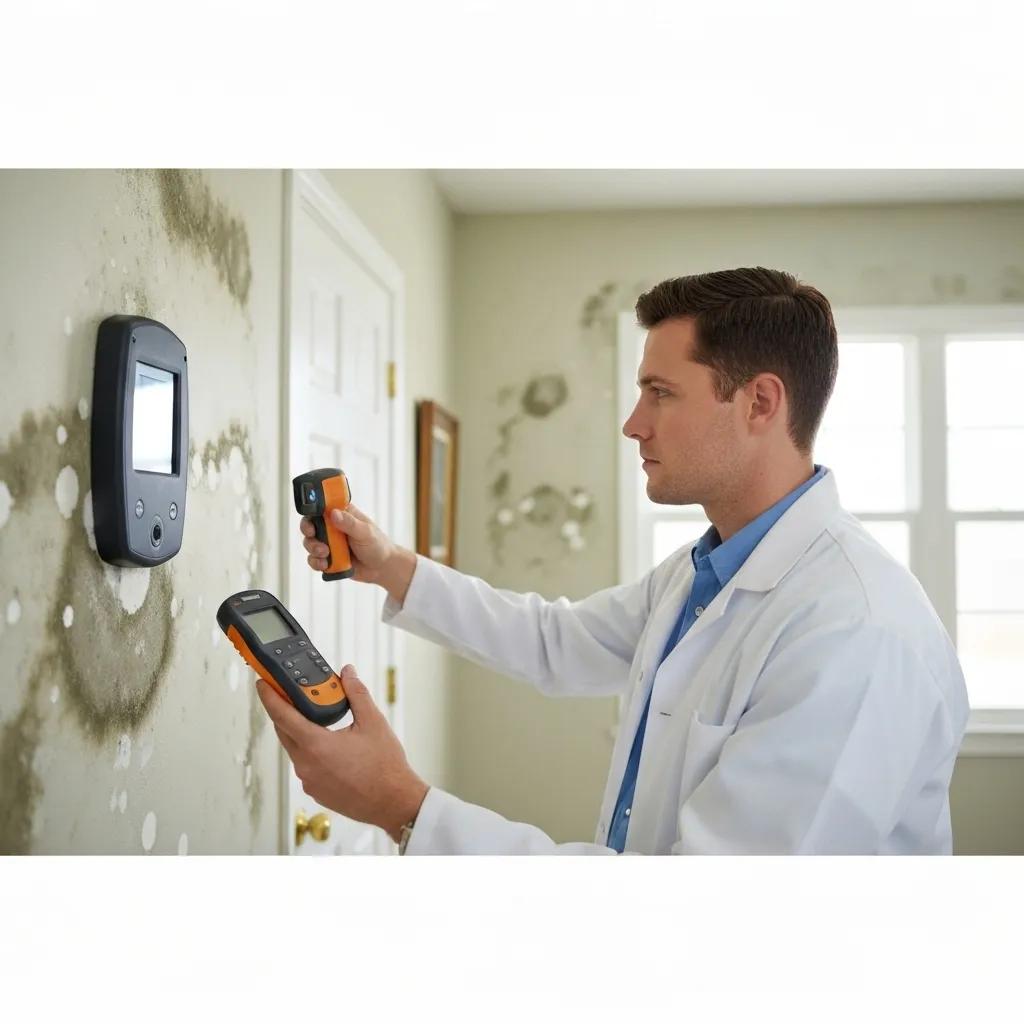
A mold inspection is a visual and moisture‐mapping Service that identifies visible mold growth, water intrusion, and high‐humidity zones. Inspectors use moisture meters, thermal imaging cameras, and surface observations to locate suspect areas. This process establishes whether mold is actively growing and pinpoints the likely sources of dampness. By documenting discoloration, musty odors, and structural vulnerabilities, an inspection lays the groundwork for targeted testing and remediation planning. With this visual analysis complete, the next step evaluates the types and concentrations of mold spores present.
How Does Mold Testing Work and What Samples Are Collected?
Mold testing involves collecting air, surface, or bulk samples for laboratory analysis to identify specific mold species and spore counts.
- Air Samples – Capture airborne spores across different rooms to gauge overall indoor air quality.
- Surface Swabs – Collect material from walls, HVAC vents, or furniture to detect mold colonies.
- Bulk Samples – Remove small pieces of drywall or insulation to confirm hidden infestations.
Laboratory analysis reports provide mold species identification (e.g., Stachybotrys, Aspergillus) and quantify spore concentrations. This Service uncovers hidden contamination and guides precise remediation, confirming extraction efficacy. Having test results aligned with visual findings ensures a comprehensive understanding of mold conditions before corrective action.
Why Are Both Mold Inspection and Testing Important for Accurate Assessment?
Combining inspection and testing delivers a complete picture of mold presence and risk. A visual inspection locates probable mold hotspots, while testing validates species and concentration levels that might cause health effects. Integrated assessment prevents misdiagnosis—surface discoloration without lab results can lead to unnecessary cleaning, and lab data without moisture mapping may overlook structural leaks. Coordinated use of both Services ensures efficient, cost-effective solutions and accurate recommendations for remediation or indoor air quality improvements.
What Factors Influence the Cost of Mold Assessment Services in Florida?
Several variables determine the price of a mold assessment, allowing you to compare quotes and find low-cost options that still adhere to professional standards.
How Does Property Size and Inspection Scope Affect Pricing?
Larger square footage and complex layouts increase labor and equipment time, raising costs. For example:
| Property Type | Inspection Area (sq ft) | Base Inspection Fee |
|---|---|---|
| Small Home | Up to 1,200 | $300 |
| Medium Home | 1,200–2,500 | $450 |
| Large or Multi-Unit | Over 2,500 | $600+ |
Inspection scope may include crawl spaces, attics, and HVAC systems—each additional zone adds $50–$100. Understanding how size and zones translate into fees helps you budget accurately and avoid surprises.
With property dimensions mapped, sample selection drives further cost considerations.
How Do Number and Types of Samples Impact Mold Testing Costs?
Every sample incurs a lab fee, so minimizing unnecessary tests reduces total expense without compromising accuracy. Typical rates include:
- Air Sample: $75 per sample
- Surface Swab: $65 per sample
- Bulk Sample: $85 per sample
A balanced testing plan targets high‐risk areas identified in the inspection. Opting for three to five air samples plus targeted surface swabs often captures representative data at a moderate cost.
Why Does Inspector Certification and Experience Matter for Cost?
Certified mold assessors invest in specialized training and state licensing to meet Florida DBPR regulations. Although their hourly rates (often $100–$150) exceed non-certified providers, their expertise yields reliable results, prevents repeat assessments, and ensures compliance with legal standards. Choosing a licensed professional saves money long-term by avoiding misdiagnoses and potential liabilities.
How Does Location Within Florida Affect Mold Assessment Prices?
Regional market variations reflect local demand, operating costs, and climate factors:
- South Florida (Miami, Fort Lauderdale): Premium rates (+10–15%) due to higher humidity and competitive market
- Central Florida (Orlando): Moderate rates aligned with broader service availability
- Gulf Coast and Panhandle (Tampa, Naples): Slightly lower rates driven by seasonal demand
Understanding these geographic influences helps pinpoint providers who balance affordability with expertise.
How Can You Find Affordable and Reliable Mold Assessment Services in Florida?
Implementing proven strategies ensures you secure professional Services at budget-friendly rates without cutting corners.
What Are the Best Strategies to Compare Mold Assessment Quotes?
To compare estimates effectively, follow these steps:
- Request Detailed Breakdowns – Insist on itemized fees for inspection, testing, and additional services.
- Verify Inclusions – Confirm whether moisture mapping, report generation, and follow-up consultations are included.
- Assess Turnaround Time – Faster lab results often cost more; balance urgency with budget.
- Check Certifications – Ensure each quote comes from a licensed mold assessor.
These criteria help you differentiate transparent pricing from ambiguous low bids.
How to Distinguish Between Low-Cost and Cheap Mold Assessments?
Low-cost assessments maintain quality by leveraging efficient protocols, while cheap options often skip essential steps. Look for:
- Clear scope of work and sample plan
- Use of advanced diagnostic tools (thermal imaging, moisture meters)
- Written report with actionable recommendations
- No hidden fees or add-ons
Providers who outline their process and offer a fixed fee demonstrate value over those who advertise rock-bottom rates without details.
Can Initial Consultations or Free Estimates Help Lower Costs?
Yes, many reputable firms offer complimentary phone consultations or on-site moisture scans to scope the project. These preliminary services help identify the minimum necessary testing and enable targeted quotes. Use free estimates to negotiate package discounts and combine Services—such as pairing a moisture inspection with basic air sampling for a bundled rate.
What Are Florida’s Mold Laws and How Do They Affect Mold Assessments?
Florida statutes shape licensing requirements, conflict-of-interest rules, and responsibilities of property owners and tenants.
What Are the Licensing Requirements for Mold Assessors and Remediators in Florida?
Florida law (F.S. 468.841–468.8424) mandates separate licensure for assessors and remediators to prevent conflicts of interest. An assessor who performs testing and issues recommendations cannot conduct remediation work under the same license. Licensed assessors must complete approved training, pass a state exam, and renew their credential biennially. Adherence to these rules ensures independence and enhances trust in assessment results.
Licensing Requirements for Mold Assessors
Florida law mandates separate licenses for mold assessors and remediators to prevent conflicts of interest, ensuring unbiased assessments. Licensed professionals must undergo training, pass state exams, and renew their credentials to maintain compliance.
Florida Department of Business and Professional Regulation (DBPR), “Mold Assessors”
This citation provides essential information on the legal framework governing mold assessment in Florida, as discussed in the article.
What Are Landlord and Tenant Responsibilities Regarding Mold in Florida?
Landlords must maintain habitable conditions and address known moisture issues promptly. Tenants should report visible mold and water intrusions without delay. Failure on either side can lead to legal disputes and health risks. Documenting inspection findings and repair requests protects both parties and supports timely remediation.
Does Insurance Typically Cover Mold Assessment Costs in Florida?
Standard homeowners policies rarely cover mold assessments unless damage results from a covered peril (e.g., burst pipe). Additional endorsements may provide limited mold testing and inspection coverage. Reviewing your policy’s mold exclusion clauses and discussing options with your insurer can help identify potential reimbursements or claim pathways.
What Are the Health Risks of Mold Exposure and Why Is Early Assessment Important?
Mold spores and mycotoxins in indoor environments can trigger a range of symptoms, making prompt evaluation vital for sensitive individuals.
What Are Common Symptoms of Mold Exposure in Florida Homes?
Exposure to indoor molds can provoke:
- Respiratory irritation, coughing, wheezing
- Nasal congestion and sinus infections
- Skin rashes and eye redness
- Headaches, fatigue, and cognitive fog
Health Risks Associated with Mold Exposure
Exposure to mold can trigger various health issues, including respiratory irritation, skin rashes, and cognitive problems, particularly in sensitive individuals. Early detection and intervention are crucial to mitigate these health risks.
World Health Organization (WHO), “Mold and Health” (2009)
This citation supports the article’s discussion of the health implications of mold exposure and the importance of early assessment.
Sensitive groups—young children, seniors, and immunocompromised individuals—face heightened risks and benefit most from early detection.
How Do Mycotoxins Affect Health and Why Are They Tested?
Mycotoxins are toxic chemicals produced by certain mold species such as Aspergillus and Stachybotrys. These compounds can impair neurological function, weaken immune response, and contribute to chronic inflammatory conditions. Testing for mycotoxins through specialized lab analysis informs targeted remediation and healthcare interventions, protecting occupants from long-term harm.
How Can Mold Assessments Protect Sensitive Individuals?
Comprehensive assessments identify hidden mold reservoirs, quantify spore counts, and detect mycotoxins—data critical for physicians and remediation teams to design safe living environments. Early intervention limits exposure duration, reduces medical costs, and restores indoor air quality for those with asthma, allergies, or chronic fatigue.
How to Choose a Certified and Affordable Mold Inspector in Florida?
Selecting the right professional ensures accurate results, regulatory compliance, and budget control.
What Qualifications Should a Professional Mold Assessor Have?
A credible assessor will possess:
- Florida DBPR mold assessor license
- Certification from a recognized body (e.g., ACAC, IAQA)
- Proven experience in residential and commercial settings
- Proficiency with diagnostic tools like thermal imaging and direct-reading instruments
What Questions Should You Ask Before Hiring a Mold Inspection Company?
During your consultation, inquire:
- “Which inspection tools and testing methods do you use?”
- “Can you provide sample reports from similar projects?”
- “Do you separate assessment and remediation tasks per Florida law?”
- “What is your turnaround time for lab results?”
When Is DIY Mold Detection Appropriate and When Is Professional Assessment Needed?
DIY kits may detect visible surface molds but lack the precision to identify species, hidden growth, or mycotoxin levels. Professional assessment is essential when:
- You suspect widespread contamination
- Occupants experience health symptoms
- You need official documentation for insurance or legal purposes
Engaging a certified assessor avoids under- or over-estimating the problem and secures peace of mind.
What Makes MoldSafeHomes.com a Trusted Provider of Low-Cost Mold Assessments in Florida?
MoldSafeHomes.com blends regional expertise, advanced technology, and a health-centered approach to deliver affordable, reliable Services.
How Does MoldSafeHomes.com Leverage Florida Climate Expertise for Accurate Assessments?
Experienced assessors understand Florida’s year-round humidity and seasonal storm damage patterns. By aligning inspection protocols with local building materials and weather conditions, MoldSafeHomes.com pinpoints moisture sources rapidly and minimizes unnecessary tests—translating to lower overall costs.
What Advanced Equipment Does MoldSafeHomes.com Use for Thorough Inspections?
State-of-the-art tools include:
- Thermal imaging cameras to detect concealed moisture
- Non-invasive moisture meters for precise readings
- Direct-reading particle counters for immediate air quality data
These technologies accelerate diagnosis and reduce labor time, passing savings on to clients.
How Does MoldSafeHomes.com Ensure Compassionate and Health-Focused Service?
MoldSafeHomes.com’s team provides empathetic guidance throughout the assessment, explaining findings in clear language, addressing health concerns, and coordinating with medical professionals when necessary. This supportive approach builds trust and empowers clients to take decisive action for a healthier home.
Where Can You Find Affordable Mold Assessment Services in Major Florida Cities?
Local providers with streamlined processes often offer competitive low-cost options in these metropolitan areas.
How to Get Low-Cost Mold Assessment in Miami?
In Miami, look for firms combining multi-unit inspection routes to reduce travel expenses and bulk lab pricing that drops per-sample rates. Off-peak scheduling during weekdays can unlock discounted appointment slots.
What Are Affordable Mold Testing Services in Orlando?
Orlando assessors often partner with regional labs for fast turnaround deals. Bundled packages—such as a 4‐point inspection plus basic air sampling—can start around $350.
Where to Find Budget-Friendly Mold Inspections in Tampa?
Tampa providers serving both residential and commercial markets offer flat-fee inspections covering up to 2,000 sq ft. Seasonal promotions after the rainy season can further lower rates.
What Are the Steps Involved in a Low-Cost Mold Assessment Process in Florida?
A streamlined assessment maximizes efficiency and minimizes expense while delivering actionable results.
How Is the Visual Mold Inspection Conducted?
The assessor begins by reviewing property history, then systematically surveys high-risk areas—attics, crawl spaces, bathrooms, and HVAC systems—using moisture meters and thermal imaging. Findings are recorded with photos and moisture maps.
What Happens During Mold Sample Collection and Testing?
Based on inspection insights, the assessor collects a targeted set of air, surface, and bulk samples. Each sample is labeled and shipped to an accredited lab for species identification, spore quantification, and optional mycotoxin screening, typically completed within 3–7 days.
How Are Results Reported and What Recommendations Are Provided?
Clients receive a detailed report including:
- Mold species and concentrations
- Identified moisture sources
- Priority recommendations for remediation or further testing
- Estimated cost ranges for corrective work
This structured outcome equips homeowners with clear next steps and budget projections.
What Are Common FAQs About Low-Cost Mold Assessment in Florida?
Many homeowners and renters ask about costs, value, responsibility, and timing when mold concerns arise.
Common inquiries typically address the typical inspection fee range, the value of testing, who pays for assessments in rental situations, and how quickly to schedule after suspecting mold. Understanding these core questions guides timely action and budget planning while ensuring professional results at an affordable price.
How much you pay depends on property size, sample plan, and inspector credentials, but costs generally fall between $300 and $1,000. Investing in testing delivers actionable data that prevents under-or over-remediation. In rental properties, landlords often cover assessment fees, though lease agreements vary. Scheduling an assessment promptly—ideally within days of noticing mold signs—minimizes spread and health impacts.
By addressing these concerns, you’ll feel confident selecting the right low-cost mold assessment tailored to your Florida home’s needs.
MoldSafeHomes.com combines certified expertise, advanced equipment, and Florida-focused protocols to deliver thorough, affordable mold assessments that protect your health and property. Request a free consultation today and take the first step toward a safer, healthier home.
Conclusion
MoldSafeHomes.com combines certified expertise, advanced equipment, and Florida-focused protocols to deliver thorough, affordable mold assessments that protect your health and property. By understanding the unique challenges posed by Florida’s climate, we ensure that our services are both effective and budget-friendly. Don’t wait for mold issues to escalate; request a free consultation today and take the first step toward a safer, healthier home. Your peace of mind is just a click away.