Unlocking Affordable Mold Assessment Solutions in Florida: Your Guide to Low-Cost Mold Inspection and Testing
Early mold detection in Florida homes can save thousands in repairs and protect your family’s health. This guide reveals the factors that shape affordable mold inspection services Florida, from property size and testing methods to regional price variations and certification requirements. You’ll discover average costs, low-cost testing packages, health and property benefits, and how Florida’s humid climate influences mold growth. Along the way, learn why independent, certified assessors deliver unbiased results and how visual tools simplify the inspection process.
What Factors Influence Mold Inspection Costs in Florida?
Mold inspection costs fluctuate based on the scope of assessment, sampling techniques and regional market rates. Understanding these drivers helps homeowners choose the most cost-effective solution without compromising quality.
How Does Property Size and Inspection Scope Affect Pricing?
Larger square footage and complex inspection scopes increase technician time, equipment use and sample analysis.
- Property size: Inspection fees often start at a base price for up to 1,500 sq ft and scale with each additional 500 sq ft assessed.
- Inspection scope: Visual-only surveys cost less, whereas comprehensive assessments include moisture mapping, thermal imaging and multiple sample types.
- Access complexity: Multi-story homes or inaccessible crawlspaces can require special equipment, raising labor and equipment costs.
These factors interrelate to determine the final estimate and set expectations for both cost and thoroughness.
What Types of Mold Testing Are Included in Low-Cost Assessments?
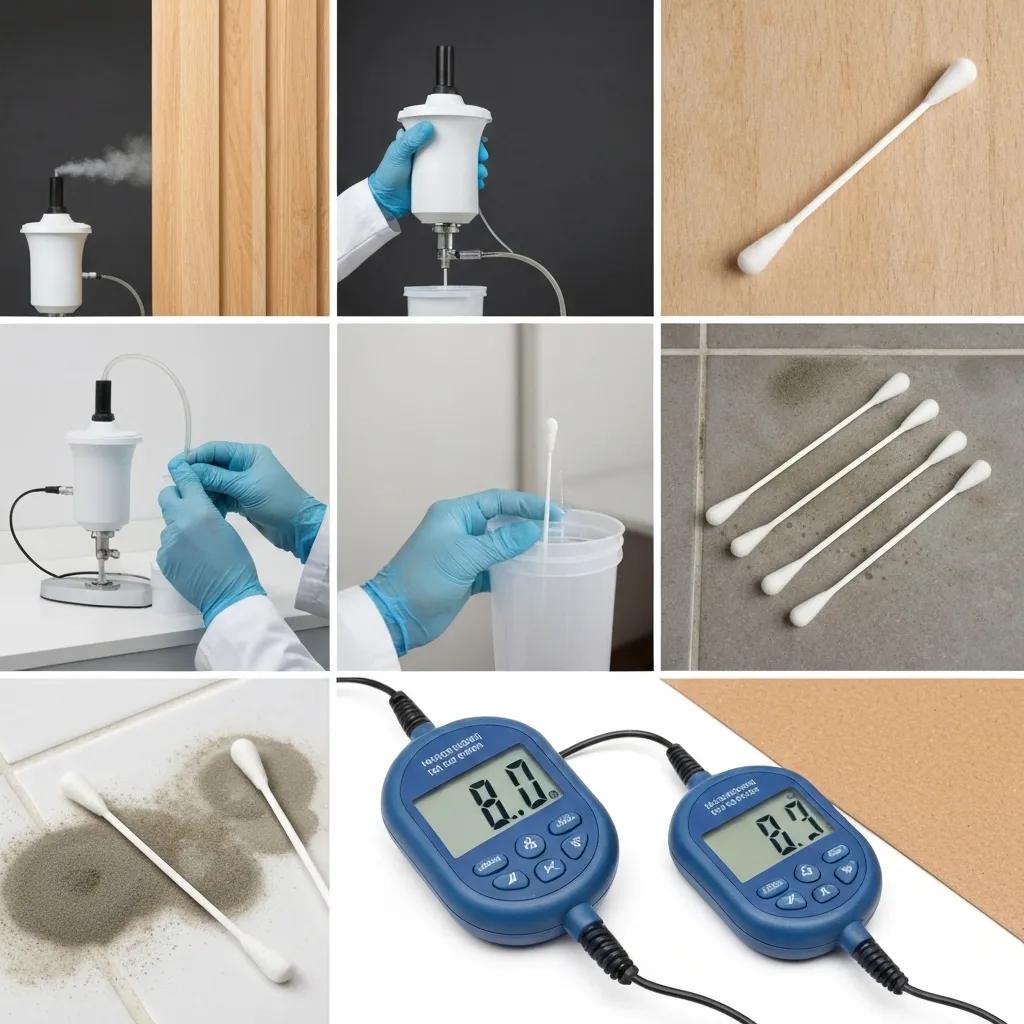
Affordable packages typically bundle one or more of these methods:
- Air sampling for spore count analysis.
- Surface swabs to identify mold on walls or HVAC components.
- Bulk sampling to capture fragments of moldy materials.
- Moisture readings using moisture meters and thermal cameras.
Each method adds specific value by detecting hidden contamination or verifying visual findings, ensuring a balanced cost-to-accuracy ratio.
How Do Florida Regions Impact Mold Assessment Pricing?
Regional market competition, labor rates and demand create price variations across Florida service areas.
- Central Florida often has moderate rates due to high service volume.
- South Florida may command higher fees in urban centers like Miami.
- Panhandle and rural areas can offer savings but may incur travel surcharges.
These regional differences play directly into cost planning and can guide homeowners toward budget-friendly appointment windows.
Why Are Certified Mold Inspectors Important for Cost and Quality?
Certified inspectors combine technical expertise with credible credentials to deliver reliable results at fair prices.
- Certification standards (e.g., ACAC, IICRC, NORMI) ensure inspectors meet rigorous training and ethical guidelines.
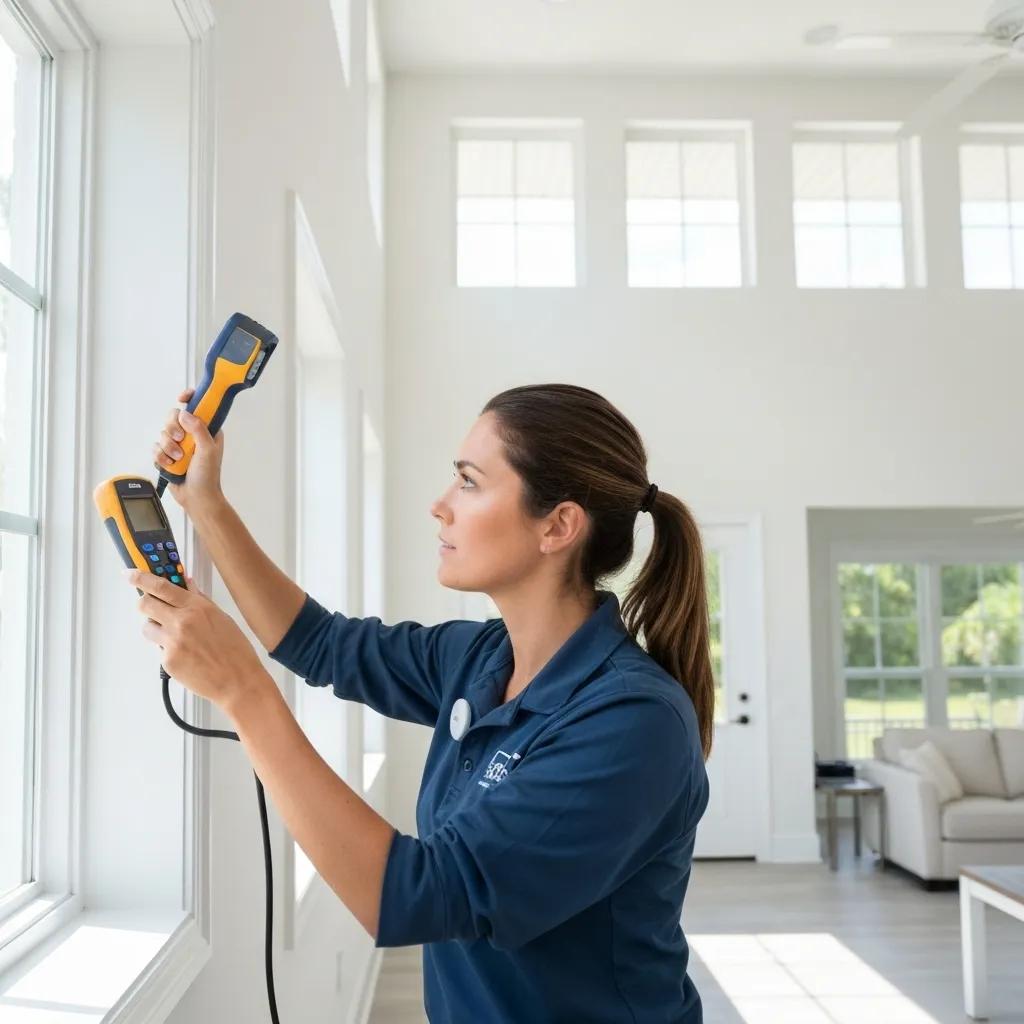
- Advanced tools such as thermal imagers and calibrated moisture meters improve detection accuracy, reducing repeat visits.
- Compliance with Florida Statute 468.8419 guarantees independence when assessments exceed 10 sq ft of visible mold, preventing conflicts of interest and hidden fees.
Investing in certified professionals promotes long-term savings by avoiding incomplete assessments and costly follow-up inspections.
What Are the Average Mold Inspection Costs Across Florida?
Average inspection fees range from $300 to $800, depending on the factors detailed above. Understanding these benchmarks empowers homeowners to evaluate quotations and identify truly affordable service offerings.
What Is the Typical Price Range for Central Florida Mold Inspections?
In Central Florida, standard mold assessments start at $300–$450 for visual surveys with one air sample. Packages including two to four samples and thermal imaging range from $500–$700.
How Do Costs Compare in South Florida, Tampa, and Miami?
Prices tend to escalate in major metropolitan areas:
- Tampa: $350–$600 for basic to moderate packages.
- Miami: $450–$800 for advanced testing and rapid turnaround.
- Fort Lauderdale: $400–$750 reflecting urban demand and specialized services.
These differences mirror local labor rates, demand surges and equipment availability.
What Affordable Mold Testing Packages Are Available?
Below is a representative overview of budget-friendly packages designed for residential properties under 2,000 sq ft.
| Package | Inclusions | Estimated Cost |
|---|---|---|
| Basic Visual + 1 Air Sample | Walk-through inspection, moisture readings, one lab-analyzed spore trap | $300–$400 |
| Standard Thermal + 2 Air Samples | All Basic features plus thermal imaging and a second spore trap | $450–$550 |
| Comprehensive 2-Sample + Swab | Thermal imaging, two spore traps, one surface swab and detailed report | $600–$700 |
Each tier balances cost-efficiency with thoroughness. Homeowners can select based on risk level, health sensitivity and budget constraints.
How Does Mold Assessment Protect Your Health and Property in Florida?
Professional mold assessments identify hidden contamination, preventing structural damage and reducing exposure risks that can trigger respiratory and neurological symptoms.
What Are Common Mold-Related Health Symptoms in Florida Homes?
Exposure can provoke:
- Chronic cough or wheezing
- Nasal congestion and sinus infections
- Skin irritation and eye redness
- Headaches, fatigue and cognitive difficulties
Recognizing these medical concerns underscores why timely assessments safeguard well-being.
How Does Early Mold Detection Prevent Property Damage?
Detecting moisture intrusion and mold before it penetrates sheathing or framing prevents:
- Drywall replacement and insulation removal costs exceeding $2,000
- Structural wood rot and joist weakening
- Electrical hazards from damp wiring
Early intervention limits remediation scope and preserves home value.
Why Is Indoor Air Quality Testing Essential in Florida’s Humid Climate?
Florida’s year-round humidity fosters airborne fungal spores that compromise air quality. Air sampling quantifies spore concentrations and identifies species, guiding targeted remediation and ventilation improvements to maintain a healthy indoor environment.
What Are the Most Effective Low-Cost Mold Testing Methods in Florida?
Affordable mold testing relies on reliable, standardized sampling techniques that maximize detection accuracy while minimizing laboratory expenses.
How Does Air Sampling Detect Hidden Mold Spores?
Air sampling draws a known volume of air through a spore trap, capturing airborne fungal particles on a microscopic slide.
- Mechanism: High-volume pumps collect spores for lab microscopic analysis.
- Benefit: Quantifies indoor vs. outdoor spore counts to reveal hidden growth.
- Application: Ideal for detecting airborne contamination in living spaces and HVAC systems.
By comparing indoor and ambient outdoor results, assessors pinpoint elevated spore levels that trigger targeted follow-up inspections.
When Are Surface Swab and Bulk Sampling Used?
Surface swabs and bulk sampling capture mold from suspect areas when direct confirmation of species is required.
- Surface swabs collect spores on petri dishes or tape lifts for direct culture or microscopy.
- Bulk samples remove small material fragments (e.g., drywall, insulation) to analyze embedded mold growth.
These methods complement air sampling by verifying visible mold and distinguishing harmful species such as Stachybotrys chartarum.
How Are Lab Reports Interpreted for Accurate Mold Identification?
Professional interpretation of lab results involves:
- Colony count analysis to measure spore concentrations per cubic meter.
- Species identification to differentiate allergenic vs. toxigenic fungi.
- Risk categorization based on indoor/outdoor ratios, informing remediation urgency.
Clear, concise lab summaries guide homeowners in making informed decisions that align with budget and health priorities.
Why Choose Independent Mold Assessment Services in Florida?

Selecting an assessor unaffiliated with remediation contractors ensures unbiased findings and transparent recommendations, protecting both your property and your wallet.
How Does Independence from Remediation Services Benefit You?
Independent assessors have no financial incentive to recommend unnecessary mold removal, delivering:
- Objective results that focus on detection rather than remediation.
- Tailored advice that aligns with your budget and risk tolerance.
- Clear separation between inspection fees and potential cleanup costs.
This conflict-free approach builds trust and prevents hidden markups common with bundled service providers.
What Certifications Should You Look for in Florida Mold Inspectors?
Verify credentials such as:
- ACAC Certified Microbial Consultant (CMC)
- IICRC Certified Environmental Hygienist (CEH)
- NORMI Certified Indoor Environmentalist (CIE)
These certifications demonstrate mastery of sampling protocols, reporting standards and health-based risk assessment.
How Do Independent Assessors Support Insurance Claims?
Unbiased inspection reports featuring moisture readings, spore counts and photographic evidence satisfy many insurers’ documentation requirements. Professional documentation expedites claim approval and can cover inspection fees under homeowner policies.
How Can You Find Affordable Mold Assessment Services in Your Florida Region?
Local providers often offer introductory rates and seasonal discounts. Identifying the right service partner ensures both affordability and expertise.
What Mold Inspection Services Are Available in Orlando and Central Florida?
Central Florida assessors commonly feature:
- Package promotions for first-time clients.
- Weekend inspection discounts.
- Bundled air and surface sampling deals.
These regional offerings help homeowners access reliable testing at reduced prices.
How to Access Low-Cost Mold Testing in Tampa and South Florida?
In Tampa and surrounding counties, look for:
- Community outreach programs offering subsidized inspections.
- Seasonal specials aligned with hurricane season to detect storm-related moisture intrusion.
- Group rates for multi-unit properties managed by landlords or realtors.
Pooling demand or targeting off-peak seasons can yield significant savings.
What Are the Unique Mold Challenges in Palm Beach and Miami?
Coastal properties face:
- Salt-laden air that exacerbates metal corrosion and hidden leaks.
- Tropical storm flooding that triggers rapid mold proliferation in walls and crawlspaces.
- Elevated indoor humidity requiring specialized dehumidification equipment.
Understanding these regional factors guides selection of the most appropriate, cost-effective inspection package.
Frequently Asked Questions
What should I do if I suspect mold but don't see any visible signs?
If you suspect mold in your home but don’t see any visible signs, it’s essential to consider professional mold testing. Mold can grow in hidden areas, such as behind walls or under flooring, especially in humid climates like Florida. A certified mold inspector can conduct air sampling and moisture readings to detect hidden mold spores and moisture levels. Early detection is crucial to prevent potential health risks and costly property damage, so don’t hesitate to seek professional help.
How long does a typical mold inspection take?
A typical mold inspection in Florida usually takes between 1 to 3 hours, depending on the property’s size and the complexity of the assessment. During this time, the inspector will conduct a visual survey, take samples, and use specialized equipment to measure moisture levels. After the inspection, the inspector will analyze the samples and provide a detailed report, which may take an additional few days to receive. Planning for this timeframe ensures a thorough evaluation of your property.
Are DIY mold testing kits reliable?
While DIY mold testing kits can provide some insights, they often lack the accuracy and comprehensiveness of professional assessments. Many kits only test for specific mold types and may not capture the full scope of contamination. Additionally, interpreting the results can be challenging without expert knowledge. For a thorough evaluation and reliable results, it’s advisable to hire a certified mold inspector who can utilize advanced tools and techniques to ensure accurate detection and analysis.
What happens if mold is found during the inspection?
If mold is found during the inspection, the inspector will provide a detailed report outlining the extent of the contamination and recommend appropriate remediation steps. This may include cleaning, removal of affected materials, and addressing moisture issues to prevent future growth. It’s crucial to follow these recommendations to protect your health and property. Additionally, some inspectors can connect you with certified remediation professionals to ensure the mold is safely and effectively removed.
How can I prepare for a mold inspection?
Preparing for a mold inspection involves a few simple steps. First, ensure that the inspector has access to all areas of your home, including attics, basements, and crawlspaces. Clear any clutter that may obstruct the inspection process. Additionally, it’s helpful to document any water damage or mold-related concerns you’ve noticed. This information can assist the inspector in focusing their assessment. Lastly, be ready to discuss any previous mold issues or repairs with the inspector.
Can mold inspections be covered by homeowners insurance?
Many homeowners insurance policies cover mold inspections, especially if mold growth is a result of a covered peril, such as water damage from a burst pipe. However, coverage can vary significantly between policies, so it’s essential to review your specific policy details or consult with your insurance agent. Having a professional mold inspection report can also support your claim, providing necessary documentation to facilitate the process. Always check with your insurer to understand your coverage options.
How Does Florida’s Climate Affect Mold Growth and Assessment Needs?
Florida’s warm, humid environment and frequent storms create ideal conditions for mold proliferation, requiring specialized inspection strategies to combat rapid growth and hidden moisture.
Why Does High Humidity Increase Mold Risks in Florida Homes?
Relative humidity often exceeds 70%, supplying moisture that fuels fungal colonization on porous materials like drywall and wood. Continuous humidity monitoring during inspections reveals elevated moisture pockets before visible growth emerges.
How Do Frequent Storms Influence Mold Development?
Storm events introduce water intrusions through roof leaks, window flashings and foundation seepage. Rapid assessment following storms identifies moisture hotspots, preventing accelerated mold spread that can damage structures within 48 hours.
What Prevention Tips Help Reduce Mold Growth in Florida?
Proactive measures include:
- Maintain indoor humidity below 50% with dehumidifiers or HVAC adjustments.
- Repair leaks promptly in plumbing, roofing and windows.
- Improve ventilation in bathrooms, kitchens and laundry rooms.
These strategies curb mold establishment, reducing future assessment and remediation expenses.
How Can Visual and Interactive Tools Help You Understand Mold Assessment?
Interactive media clarifies inspection steps, cost factors and preparation guidelines, making the assessment experience transparent and less intimidating.
What Does the Mold Inspection Process Look Like?
Graphical flowcharts map each stage—from initial consultation and visual survey to sampling, lab analysis and final report—illustrating timeframes, equipment used and homeowner roles at every step.
How Can Infographics Explain Mold Testing and Costs?
Infographics break down complex data into digestible visuals, such as cost-factor breakdowns, testing method comparisons and a timeline of sample processing, enabling readers to grasp value propositions at a glance.
What Videos Help You Prepare for a Mold Inspection?
Short videos demonstrate detector use, sampling techniques and homeowner preparations (e.g., clearing work areas), reducing onsite delays and ensuring efficient, low-cost services.
How to Use an Online Cost Calculator for Mold Assessment Estimates?
Interactive calculators let users enter property size, location and desired test types to instantly estimate inspection costs. This transparent tool fosters trust by showing how each parameter influences pricing.
Professional, certified mold assessments combine affordable pricing with rigorous testing protocols to protect both your property and health. By understanding cost drivers, regional variations and testing methodologies, Florida homeowners can invest wisely in low-cost mold inspection services that deliver reliable, unbiased results. For a tailored estimate and expert consultation, contact MoldSafe Homes to unlock the most cost-effective mold assessment solution in your area.
Conclusion
Professional mold assessments provide Florida homeowners with affordable solutions that safeguard both health and property value. By understanding the factors influencing inspection costs and the importance of certified inspectors, you can make informed decisions that prevent costly damages. Take the next step towards a healthier home by exploring our range of low-cost mold inspection services tailored to your needs. Contact MoldSafe Homes today for a personalized consultation and discover how we can help you protect your home.