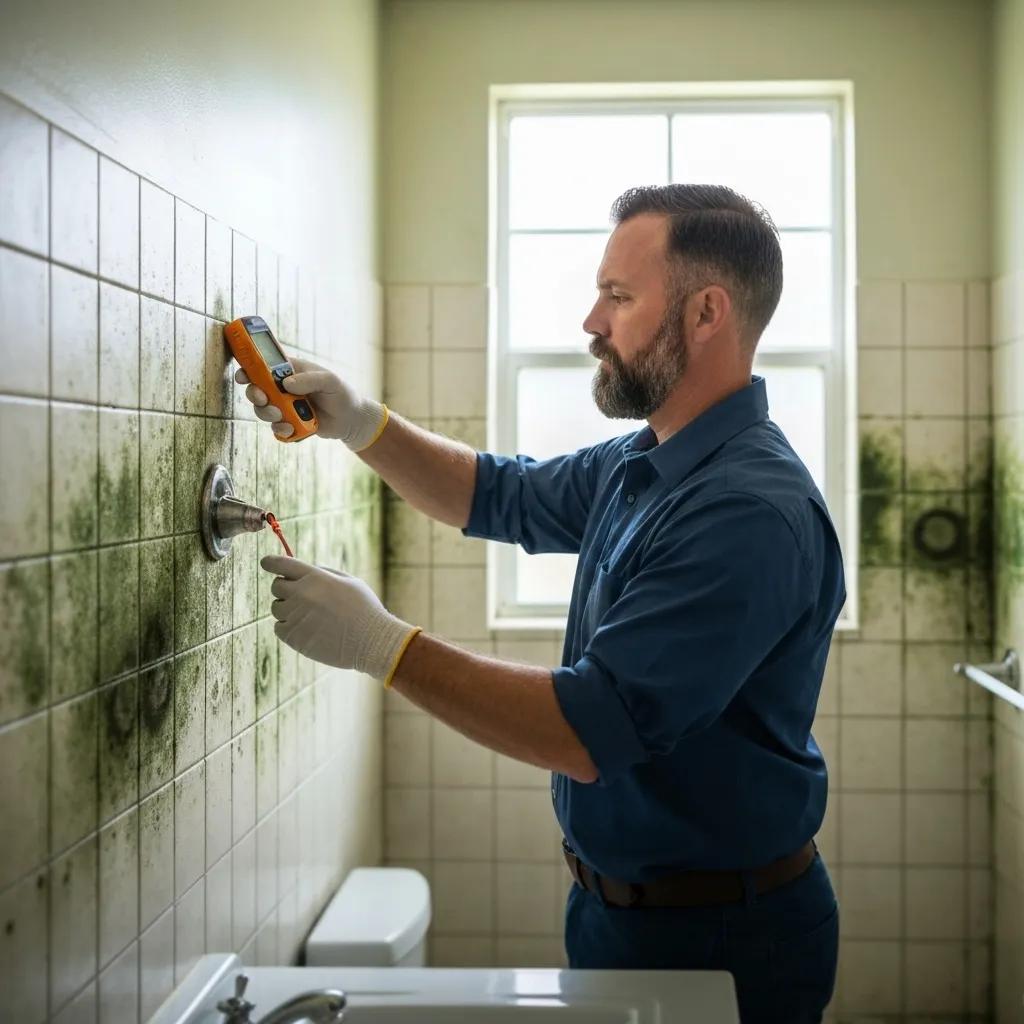
Curious About Mold Assessment Costs in Florida? Your Complete Guide to Pricing and Services
Florida’s humid climate makes mold assessment an essential investment for any homeowner or renter. Understanding affordable mold inspection services Florida cost ranges, the factors that drive pricing, and exactly what a professional assessment includes empowers property owners to secure healthy indoor air quality. In this guide, you will discover:
- The average cost of a mold inspection in Florida and regional variations
- Key drivers that influence pricing, from property size to sample quantity
- A step-by-step breakdown of a professional mold inspection service
- The difference between mold testing and mold inspection and when each is recommended
- The value of early mold detection for health, property value, and peace of mind
- How Florida cities compare in inspection fees
- Common homeowner concerns and their answers in an integrated overview
- What details you need to get a clear, transparent quote
By the end, you’ll know how to budget for mold assessment services, recognize the benefits of hiring certified consultants, and take the next step toward protecting your home and family.
What Is the Average Mold Inspection Cost in Florida?
Mold inspection cost in Florida typically ranges from $300 to $1,000, reflecting square footage, sampling methods, and report detail. This investment guarantees a comprehensive evaluation of mold presence and moisture sources, helping property owners address hidden risks before they escalate.
How Much Does A Mold Inspection Cost In Florida, (2025)
Average Mold Inspection Costs in Florida
Mold inspection costs in Florida typically range from $300 to $1,000, which is influenced by factors such as the size of the property, the methods used for sampling, and the level of detail included in the report. This investment provides a comprehensive evaluation of mold presence and potential moisture sources, helping property owners address hidden risks before they worsen.
Before exploring the cost drivers, it helps to see how pricing scales with home size:
| Home Size (sq ft) | Typical Fee Range | Why the Difference Matters |
|---|---|---|
| Under 1,500 | $300 – $450 | Smaller footprint reduces inspection time |
| 1,500 – 3,000 | $450 – 700 | More rooms and surfaces to assess |
| Over 3,000 | $700 – 1,000 | Extended sampling and report detail |
Inspection fees grow with property area because more space requires additional visual checks, moisture mapping, and potentially extra air or surface samples. Knowing this scale sets a realistic expectation before examining other price factors.
How Much Does a Professional Mold Assessment Typically Cost?
A professional mold assessment in Florida starts around $300 for visual inspection and basic air sampling, rising to $1,000 or more when multiple sample types and detailed analysis are included. Certified consultants provide spore quantification, species identification, and actionable recommendations to safeguard health and property value.
How Does Property Size Affect Mold Inspection Pricing?
Larger properties demand more time and resources for thorough evaluation of walls, crawl spaces, attics, and HVAC systems. Each additional square foot may require extra moisture scans and sample collection, increasing labor and laboratory fees in proportion to the area inspected.
What Are the Typical Cost Ranges for Different Florida Cities?
- Tampa region: $300 – $800
- Miami and South Florida: $350 – $950
- Orlando and Central Florida: $300 – $850
- Palm Beach and Fort Myers: $325 – $900
High-demand metro areas often carry premium rates, while smaller markets may offer more competitive pricing, maintaining quality through certified inspectors.
How Do Urgency and Report Detail Influence the Final Price?
Rush inspections with same-day or 24-hour turnaround incur expedited fees of $100–$200. Comprehensive reports featuring infrared imaging, moisture mapping diagrams, and lab-validated species profiles add $150–$300, ensuring deeper insights but affecting final cost.
What Key Factors Influence Mold Assessment Costs in Florida?
A mold assessment’s price reflects a combination of scope, location, sample count, and access complexity. Understanding these drivers helps homeowners customize services and budget accordingly.
How Much Does A Mold Inspection Cost In Florida, (2025)
Factors Influencing Mold Inspection Costs
The cost of a mold inspection is affected by several factors, including the size of the property, the number of samples taken, and the geographic location within Florida. Larger properties require more time and resources, potentially increasing labor and laboratory fees.
How Does the Scope of Inspection and Testing Affect Pricing?
The breadth of services—from a basic visual check to full air, surface, and bulk sampling—directly impacts fees:
- Visual inspection alone identifies visible growth and moisture sources.
- Air sampling quantifies airborne spore concentrations in multiple zones.
- Surface sampling confirms species on walls, floors, or personal belongings.
- Bulk sampling examines actual materials for embedded mold.
- Thermal imaging and moisture mapping locate hidden damp areas.
Adding each testing method increases lab analysis fees and report complexity, so a narrower scope delivers basic assurances while full testing yields comprehensive diagnostics.
Why Does Geographic Location Within Florida Matter for Costs?
Labor rates, travel time, and market demand shift fees across regions. Coastal cities with higher living costs typically command elevated inspection rates, whereas inland areas may offer more modest pricing yet still adhere to certified standards.
How Does the Number of Samples Taken Impact the Price?
Each additional air or surface sample requires separate lab processing, adding $30–$75 apiece. A standard four-sample panel costs less than an eight-sample panel, so balancing coverage with budget constraints ensures targeted assessment without unnecessary expense.
What Role Does Property Accessibility Play in Cost Determination?
Hard-to-reach areas such as crawl spaces, behind walls, or attic rafters require extra equipment and time. Constrained access zones can add $50–$150 in labor fees, reflecting the effort and safety measures needed for a thorough evaluation.
What Is Included in a Professional MoldSafeHomes Mold Inspection?
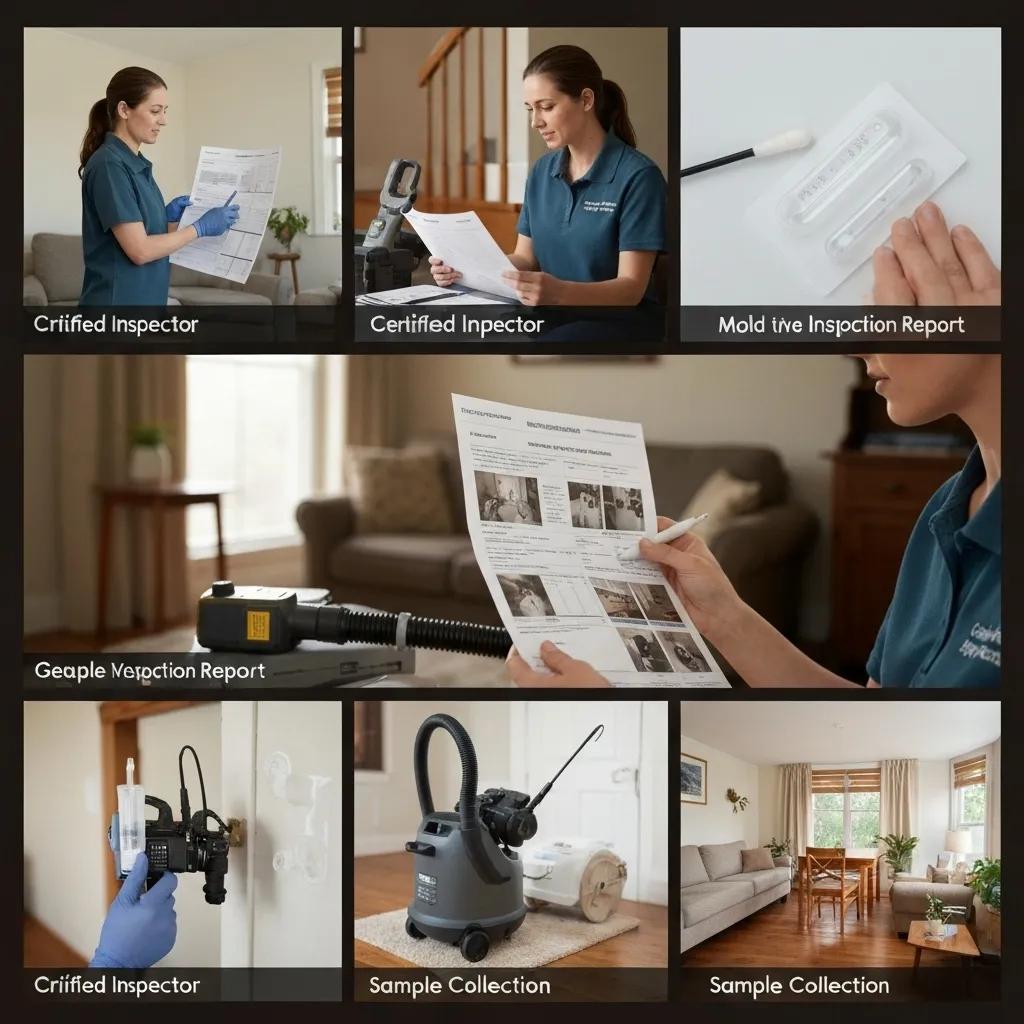
A certified mold inspection from MoldSafeHomes delivers a detailed process designed to pinpoint mold sources, quantify exposure risk, and guide remediation. The following steps outline what homeowners can expect:
- Initial consultation and visual walkthrough to identify suspect areas.
- Moisture detection and thermal imaging to uncover hidden water intrusion.
- Sample collection via air, surface, and bulk methods in strategic zones.
- Laboratory analysis for species identification and spore concentration data.
- Comprehensive report featuring findings, images, moisture maps, and remediation recommendations.
Each stage leverages industry-standard equipment, licensed expertise, and accredited laboratories to ensure reliable results and clear guidance.
What Happens During the Visual Mold Assessment?
Inspectors examine walls, ceilings, HVAC components, and crawl spaces for discoloration, texture changes, or musty odors. Noting these observations provides a roadmap for targeted sampling and moisture evaluation.
How Are Moisture Detection and Thermal Imaging Used?
Specialized moisture meters measure dampness levels in building materials, while infrared cameras reveal temperature anomalies linked to water intrusion. This combination pinpoints hidden leaks and damp areas that foster mold growth before visible signs appear.
What Types of Mold Testing Are Conducted: Air, Surface, and Bulk Sampling?
- Air sampling collects airborne spores on media to assess indoor air quality.
- Surface sampling swabs surfaces to identify localized colonies and species.
- Bulk sampling removes material fragments to examine embedded mold under laboratory conditions.
Each method contributes unique data, enabling a holistic understanding of mold presence and concentration.
How Is Laboratory Analysis Performed and Reported?
An AIHA-accredited lab examines samples under microscopy and culture techniques, reporting species identification, spore counts, and comparative outdoor baselines. Detailed charts and graphs illustrate exposure levels against industry standards.
What Does the Final Mold Inspection Report Include?
The report compiles visual findings, moisture data, test results, and clear remediation steps. Photographs, thermal images, and numbered action items guide licensed contractors or DIY responders through effective mold management.
How Do Mold Testing and Mold Inspection Differ in Florida?
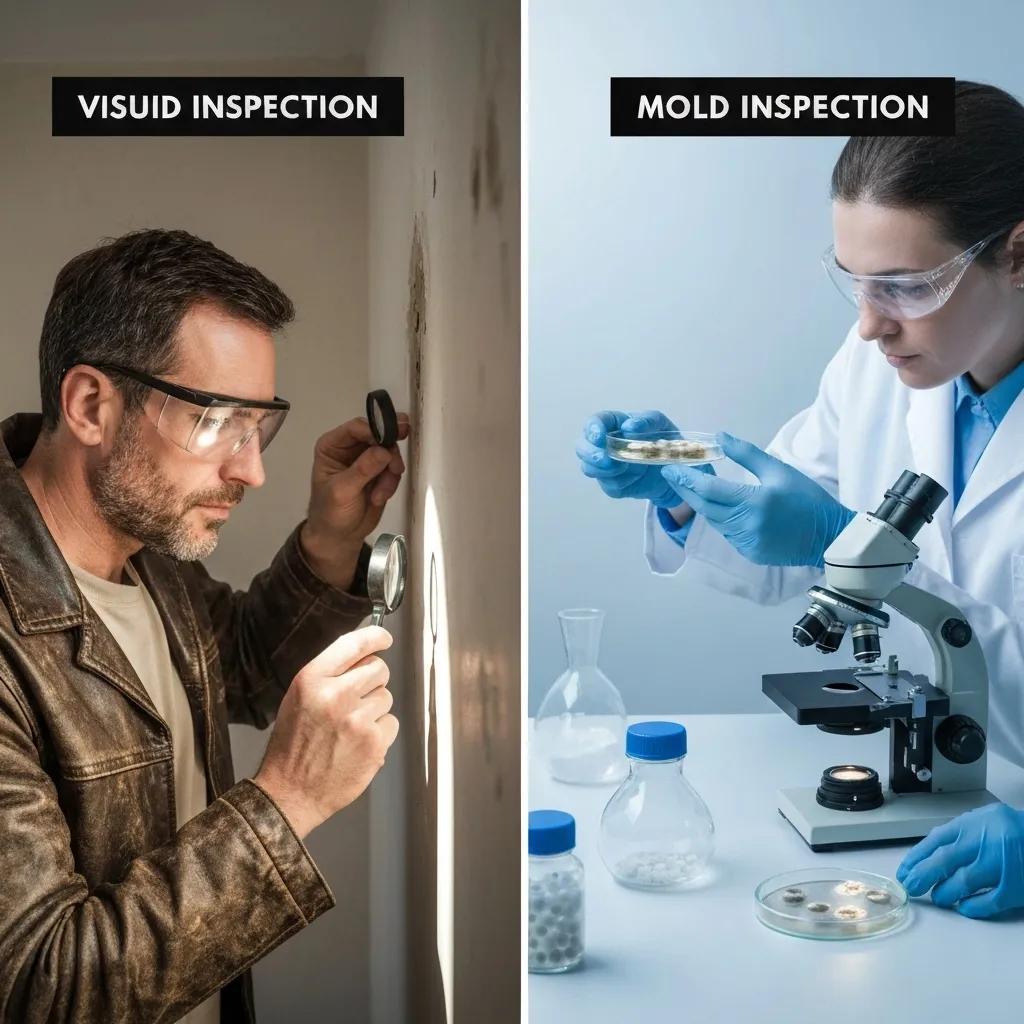
What’s the difference between Mold Inspection and Testing?, (2023)
Mold Inspection vs. Mold Testing
Mold inspection focuses on a visual examination to identify potential mold growth and moisture issues, while mold testing involves laboratory analysis of collected samples to determine the types and concentrations of mold present. Both processes are crucial in determining the extent of mold contamination and ensuring effective remediation.
What Is the Primary Purpose of Mold Testing?
Mold testing quantifies airborne and surface spores to determine species and concentration. This analytic focus informs health risk assessments and verifies remediation success through before-and-after comparisons.
How Does Mold Inspection Identify Problem Sources?
A mold inspection emphasizes visual exploration, moisture mapping, and environmental scanning to locate leaks, condensation points, and areas conducive to growth. It provides pathfinding information for corrective measures.
When Is Each Service Recommended for Florida Homeowners?
- Mold inspection is ideal for initial evaluations after water damage or when odors and stains appear.
- Mold testing is best for verifying suspected contamination, addressing health concerns, or confirming remediation efficacy.
Combining both ensures accurate diagnosis and targeted solutions without redundant procedures.
Why Should Florida Homeowners Invest in Professional Mold Assessment?
How Does Mold Assessment Protect Your Health and Indoor Air Quality?
Mold exposure can trigger allergies, respiratory issues, headaches, and fatigue. Identifying spore concentrations and species helps homeowners mitigate risks and improve air quality through informed remediation.
How Can Early Mold Detection Preserve Property Value?
Unchecked mold can damage wood, drywall, and insulation, leading to costly repairs and reduced curb appeal. Early detection prevents structural decline and maintains real estate worth.
What Peace of Mind Does Expert Guidance Provide?
Licensed consultants offer tailored recommendations, coordinate with remediation specialists, and verify cleanup effectiveness. Their credentials and thorough reporting ensure confidence in a safe, healthy environment.
What Are the Regional Mold Assessment Cost Differences Across Florida Cities?
Inspection fees vary across Florida’s diverse markets, reflecting local demand and operational expenses.
| City/Region | Cost Range | Typical Sample Panel | Turnaround Time |
|---|---|---|---|
| Tampa and Surroundings | $300 – $800 | 4 samples | 2–5 days |
| Miami and South Florida | $350 – $950 | 5 samples | 2–4 days |
| Orlando and Central Florida | $300 – $850 | 4 samples | 3–5 days |
| Palm Beach & Fort Myers | $325 – $900 | 4–6 samples | 2–4 days |
Regional variations influence sample counts, travel fees, and lab turnaround schedules, helping homeowners align inspection timing and budgeting.
What Are the Most Common Questions About Mold Assessment Costs in Florida?
Homeowners frequently wonder about precise inspection fees, the necessity of sampling visible mold, payment responsibilities, DIY alternatives, and inspection duration. A typical mold inspection costs between $300 and $1,000, reflecting home size, test methods, and reporting detail. Even when mold is visible, professional testing confirms species and concentration, guiding safe remediation. Inspection fees are usually paid by the property owner or landlord, depending on lease agreements or sales negotiations. While DIY kits offer quick snapshots, only certified assessments provide reliable data for health-critical decisions. A standard evaluation requires 2–5 hours, including setup, sampling, and initial debrief.
How Can You Get a Transparent Quote for Mold Assessment Services in Florida?
Obtaining an accurate estimate hinges on clear communication about your property and inspection needs.
What Information Do You Need to Provide for an Accurate Estimate?
Share property size, age, known water-damage history, visible mold locations, and desired test types. Detailed context allows consultants to tailor scope and sample counts precisely.
How Does MoldSafeHomes Ensure Clear and Fair Pricing?
Certified inspectors offer itemized quotes that break down inspection scope, sample types, lab analysis, and report detail. There are no hidden fees—rush requests or additional samples are declared upfront to maintain budget certainty.
How to Schedule Your Professional Mold Assessment Today?
Contacting MoldSafeHomes via phone or online form initiates a free pre-assessment call. After gathering your property details, the team provides a firm written estimate and coordinates a convenient inspection date, ensuring professional service and transparent pricing from start to finish.
Protecting your Florida home begins with understanding mold assessment costs and choosing certified experts. With clarity on fees, scope, and benefits, you can take confident action toward healthier indoor air and long-term property value.
Conclusion
Investing in a professional mold assessment in Florida not only safeguards your health but also preserves your property value by addressing potential mold issues early. Understanding the costs and services involved empowers homeowners to make informed decisions for a healthier living environment. By choosing certified experts, you ensure a thorough evaluation and actionable recommendations tailored to your needs. Take the first step towards a mold-free home by contacting us for a transparent quote today.