
Comparing Mold Inspection Costs: Florida vs. Other States – Your Ultimate Cost Guide
Rising mold-related health issues and unexpected repair bills prompt many homeowners to compare inspection expenses across regions. This guide reveals average mold inspection costs nationwide, contrasts them with Florida’s subtropical market, and outlines the key drivers shaping price differences. You’ll learn what a professional mold inspection involves, how factors like home size and sampling methods affect fees, and where Florida stands compared to other states. We also share cost-saving strategies, explain service distinctions, and demonstrate how Moldsafehomes.com delivers affordable mold inspection services in Florida without compromising quality.
What Is Mold Inspection and Why Is It Essential for Homeowners?
A mold inspection is a systematic review of a property to detect visible and hidden mold colonies, assess moisture sources, and evaluate contamination levels. By combining visual evaluation with moisture metering and targeted sampling, this service prevents structural damage, safeguards indoor air quality, and protects occupant health. For homeowners, early detection reduces costly repairs and supports property value preservation.
What Does a Professional Mold Inspection Include?
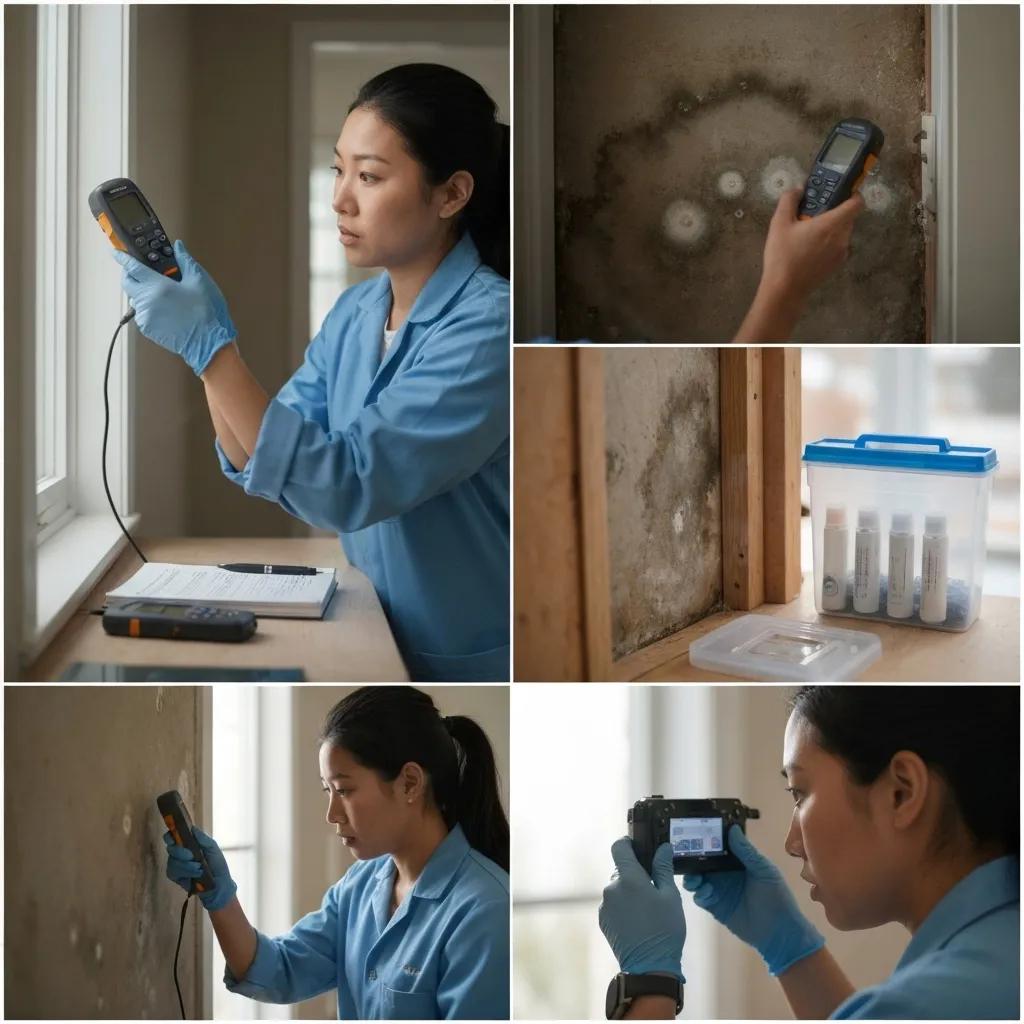
A professional mold inspection integrates multiple diagnostic steps to ensure thorough assessment:
- Visual Survey and Moisture Mapping – Inspectors examine walls, ceilings, and hidden spaces with moisture meters to identify damp areas that promote fungal growth.
- Air and Surface Sampling – Technicians collect air spore counts and surface swabs to quantify mold species, enabling precise remediation plans.
- Infrared and Humidity Scans – Thermal imaging pinpoints water intrusion behind walls, while hygrometers measure relative humidity to reveal risk zones.
- Detailed Reporting – Lab results and inspection findings are compiled into a clear report, outlining contamination levels, recommended corrective actions, and cost estimates.
This comprehensive approach ensures complete visibility into mold risks, enabling informed decisions on remediation and prevention.
How Does Mold Inspection Protect Health and Property Value?
A mold inspection identifies allergenic and toxigenic fungi before they spread, reducing exposure to spores that trigger respiratory issues, headaches, and chronic conditions.
The Hidden Dangers of Mold: Why A Professional Inspection is Critical
Mold releases spores into the air, which can be inhaled by individuals. These spores contain allergens and irritants that can trigger allergic reactions, respiratory problems, and other health issues.
HURRICANE LLC Air Duct Cleaning in the Metro area GA (2023-12-18)
By halting mold proliferation early, structural elements like drywall, framing, and insulation remain intact, preserving market value. Homebuyers and real estate professionals rely on certified inspection reports to negotiate repairs or pricing, underscoring the financial and health benefits of professional services.
Why Is Florida’s Climate a Key Factor in Mold Growth?
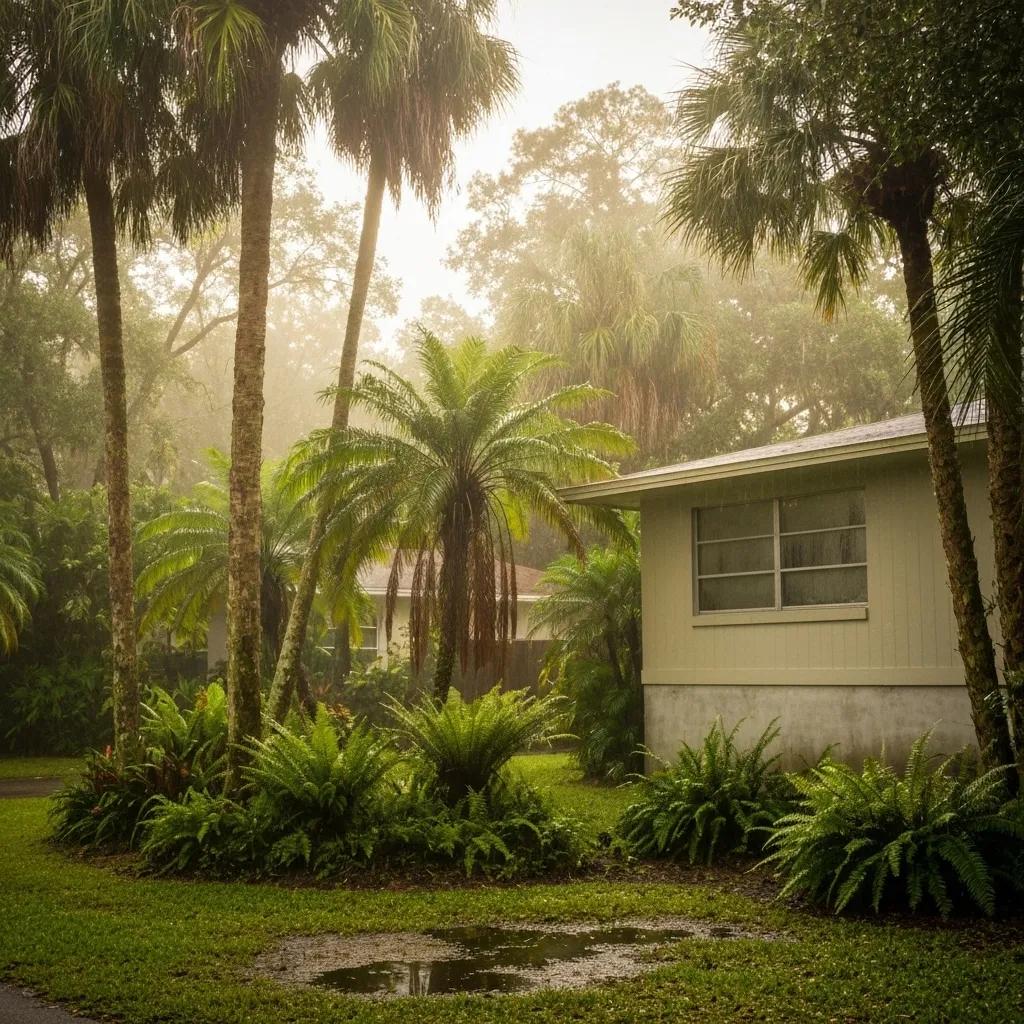
Florida’s humid subtropical climate features warm temperatures and frequent rainfall, creating ideal conditions for mold propagation.
The Link Between Humidity and Mold Growth in Florida
Florida’s humid climate, with high humidity levels often exceeding 60%, creates an ideal environment for mold to thrive. This moisture encourages mold spores to settle and grow on various surfaces within homes, making Florida homes particularly vulnerable to mold issues.
Online Certified Property Inspections (2024-12-19)
High indoor relative humidity and occasional flooding accelerate fungal colonization in attics, crawl spaces, and wall cavities.
How Humidity Affects Mold Growth in Florida Homes
Mold requires moisture to grow, and humidity provides that moisture in the form of water vapor in the air. When indoor humidity levels exceed 60%, mold spores can settle and grow on almost any surface, including walls, ceilings, and furniture.
Online Certified Property Inspections (2024-12-19)
Understanding this regional risk underscores why Florida mold inspection costs often reflect the added complexity of diagnosing hidden moisture sources and extensive sampling to rule out widespread contamination.
What Are the Average Mold Inspection Costs Nationwide?
Nationwide, homeowners pay an average of $656 to $670 for a standard mold inspection, with typical ranges spanning $299 to $1,045 depending on property characteristics. Variations in labor rates, testing methods, and regional demand drive this spectrum, influencing budgets from coast to coast.
Before diving into specific factors, the table below summarizes cost ranges by home size.
| Home Size | Average Cost Range | Typical Notes |
|---|---|---|
| Up to 1,000 sq ft | $299 – $450 | Basic visual inspection plus 3–5 samples |
| 1,000–2,000 sq ft | $450 – $700 | Additional sampling and moisture scans |
| Over 2,000 sq ft | $700 – $1,045 | More extensive access points and sample analysis |
Larger homes typically require more time to inspect and a higher number of samples, which increases laboratory fees. This cost overview sets the stage for comparing how Florida’s pricing compares with national averages.
How Do Home Size and Property Type Affect National Mold Inspection Prices?
Larger square footage proportionally increases inspection time and sample counts, while multi-unit properties add complexity by requiring separate assessments per dwelling. Single-family homes generally cost less per square foot than townhomes or condos where shared walls demand extra scrutiny.
What Is the Typical Price Range for Mold Inspection Across States?
Regional labor costs and market competition create state-to-state disparities. For example, inspections in high-cost urban centers often exceed $700, whereas rural areas may see averages closer to $400. Coastal states with high humidity typically charge premiums to account for specialized moisture detection.
How Do Sampling and Testing Methods Influence National Costs?
Air, surface, and bulk sampling each carry distinct lab fees, with air spore counts averaging $45–$100 per sample and surface swabs costing $30–$60. Bulk or tape-lift samples can add $25–$50 each. Comprehensive inspections using all three methods increase total expense but yield more accurate diagnoses.
How Do Mold Inspection Costs in Florida Compare to Other States?
Florida’s inspection fees align with its unique climate demands and competitive local market. While national averages hover around $656–$670, Florida homeowners typically pay between $300 and $600 for a standard mold inspection. Higher sample counts or flood-impacted properties may push fees toward $700.
| Region | Typical Cost Range | Comparison to National Average |
|---|---|---|
| Florida (statewide) | $300 – $600 | 10–20% below national average |
| California | $450 – $900 | 20–35% above Florida range |
| Texas | $350 – $650 | Similar to Florida |
| Northeast (e.g., NY) | $500 – $850 | 15–40% above Florida |
What Is the Average Mold Inspection Cost in Florida?
On average, Florida homeowners pay around $375 to $500 for a certified mold inspection. Base rates often start near $300 for basic visual surveys and minimal sampling, rising toward $600 when extensive moisture mapping and multiple lab tests are included.
How Do Regional Variations Affect Mold Inspection Prices Within Florida?
- Tampa Bay: $300–$500
- Miami–Fort Lauderdale: $400–$600
- Orlando Metro: $350–$550
- South Florida suburbs: $325–$525
These local differences reflect travel time, inspector availability, and regional compliance requirements.
What Factors Make Florida’s Mold Inspection Costs Unique?
Florida’s pervasive humidity raises the need for infrared and humidity scans, increasing equipment usage time. Frequent tropical storms and occasional flooding necessitate deeper structural access and more extensive sampling. As a result, inspection protocols in Florida often include additional vapor barrier checks and mold-resistant material reviews, which influence final pricing.
What Key Factors Influence Mold Inspection Costs Across States?
Multiple variables shape inspection fees from coast to coast. Understanding these cost drivers empowers homeowners to anticipate expenses and evaluate service proposals accurately.
How Does Property Size and Accessibility Impact Inspection Pricing?
Properties with large square footage or multiple stories require more time to evaluate hidden cavities, crawl spaces, and attic areas. Difficult-to-access regions such as underfloor crawl spaces or elevated roof vents add labor hours, pushing costs higher. Inspectors often bill by the hour when specialized access equipment is needed.
How Do Mold Type and Severity Affect Inspection Costs?
Visible mold colonies and suspected black mold contamination trigger more intensive sampling and lab analysis due to higher health risks. Hidden mold behind walls or beneath flooring can require bore-scope inspections, adding equipment rental fees. Cost increases reflect the complexity of identifying concealed infested areas.
What Role Do Sampling Methods and Number of Samples Play in Pricing?
A single air sample may cost $45–$100, whereas multiple air and surface samples boost a standard inspection by several hundred dollars. Bulk or tape-lift sampling further increases lab charges. Services that include same-day or expedited results also carry surcharges.
How Does Inspector Expertise and Certification Influence Cost?
Certified Environmental Consultants and inspectors with advanced certifications command premium rates—typically 10–20% above generalist service providers. Their specialized training in fungal biology and building science ensures accurate diagnosis and authoritative reporting, delivering higher value for critical health and legal scenarios.
What Are the Differences Between Mold Inspection, Mold Testing, and Mold Remediation Costs?
| Service | Cost Range (Typical) | Primary Purpose | When Required |
|---|---|---|---|
| Mold Inspection | $300 – $1,045 | Identify mold presence and sources | Routine checks, pre-purchase, suspicion |
| Mold Testing | $100 – $500+ | Quantify species and spore concentrations | After visual signs or health complaints |
| Mold Remediation | $1,150 – $6,000+ | Remove mold colonies and restore areas | Confirmed mold infestations requiring cleanup |
How Do Mold Testing Services Differ and What Are Their Typical Costs?
Mold testing emphasizes laboratory analysis of air, surface, or bulk samples to pinpoint species and spore counts. An air-only test with three samples averages $150–$300, while combined air and surface panels can exceed $400. Specialty tests for toxigenic molds may charge $75–$125 per sample.
When Is Mold Remediation Needed and How Much Does It Cost?
Remediation is essential when inspections and tests confirm active contamination beyond minor surface growth. Medium-scale removals (e.g., a few rooms) typically cost $1,500–$3,000, while severe cases involving structural reconstruction can exceed $6,000. Costs vary by remediation method, containment requirements, and post-cleanup verification testing.
How Do Inspection and Testing Costs Affect Remediation Planning?
Accurate inspection and testing data inform the remediation scope, helping homeowners budget precisely for cleanup. Detailed reports outline contamination zones, required containment protocols, and material replacement needs, reducing unforeseen remediation fees and ensuring efficient project timelines.
Is Affordable Mold Inspection in Florida Possible Without Sacrificing Quality?
Yes, homeowners in Florida can access cost-effective mold inspections that maintain rigorous diagnostic standards. By choosing providers who optimize sampling protocols and leverage bulk-testing discounts, you can secure reliable assessments at competitive rates.
What Tips Help Homeowners Find Cost-Effective Mold Inspection Services?
- Bundle Sampling Packages – Select inspection plans that include a fixed number of air and surface samples at a discounted rate.
- Compare Local Providers – Obtain quotes from multiple certified inspectors to leverage competitive pricing.
- Schedule Off-Peak – Book inspections during slower seasons (late fall, winter) when demand dips and rates may fall.
- Combine Services – Pair mold inspection with related services (e.g., moisture audits) to capitalize on package pricing.
Implementing these tactics can reduce overall fees by 10–20% without lowering service standards.
How Does Moldsafehomes.com Provide Affordable and Reliable Mold Inspections?
Moldsafehomes.com delivers professional mold inspections across Florida with transparent flat-rate pricing and no hidden fees. Our certified consultants use advanced moisture meters and infrared cameras to streamline diagnostics, avoiding unnecessary sampling. We offer bundled testing packages that include up to five samples at competitive lab rates, ensuring both accuracy and value for sensitive homeowners.
Why Should Florida Homeowners Choose Professional Mold Inspection Services?
Professional mold inspections combine technical expertise with health-focused scrutiny to prevent hazardous exposure and safeguard property investments. By trusting certified consultants, homeowners gain authoritative reports that support insurance claims, real estate transactions, and remediation decisions.
How Does Professional Inspection Protect Health and Prevent Costly Repairs?
Certified inspectors identify mold sources and quantify contamination levels, enabling targeted remediation that halts mold proliferation. This proactive approach prevents respiratory issues and costly structural repairs resulting from unchecked fungal decay. Early intervention can save thousands in reconstruction and medical expenses.
What Are the Legal and Real Estate Benefits of Certified Mold Inspections?
In property transactions, a certified inspection report provides legal documentation of pre-closing conditions, reducing liability for sellers and safeguarding buyers against post-purchase disputes. For landlords and property managers, professional assessments fulfill due diligence requirements and support compliance with tenant safety regulations.
What Expertise and Certifications Set Moldsafehomes.com Apart?
Moldsafehomes.com inspectors hold certifications from leading organizations, including IAQA and NORMI, and maintain ongoing training in fungal species identification and building science. Our proprietary inspection protocols integrate moisture mapping, thermal imaging, and lab-validated sampling to deliver industry-leading accuracy and peace of mind.
What Are the Most Common Questions About Mold Inspection Costs in Florida vs. Other States?
Homeowners often wonder how Florida’s inspection fees stack up, what drives price variations, and whether the investment pays off. Understanding these points helps frame cost considerations in context.
How Much Does a Mold Inspection Cost in Florida Compared to Other States?
Florida inspections average $300–$600, whereas states like California and New York range from $450 to $900. Florida’s competitive market and moderate labor rates keep costs 10–20% below national hotspots without sacrificing service quality.
What Factors Most Affect Mold Inspection Prices?
Key cost influencers include property size, accessibility of attics or crawl spaces, severity of mold growth, sampling methods (air, surface, bulk), and inspector credentials. Each attribute adds labor or laboratory fees that shape the final estimate.
Is Mold Inspection Worth the Investment for Homeowners?
Yes, professional mold inspections deliver substantial value by preventing health hazards, preserving property integrity, and enabling efficient remediation. The upfront cost often offsets future medical and repair expenses, ensuring lasting peace of mind.
Does a Standard Home Inspection Include Mold Inspection?
No, a standard home inspection typically covers structural, electrical, and plumbing systems but excludes mold testing. Mold assessments require specialized equipment, sampling protocols, and laboratory analysis distinct from general home inspections.
How Much Does Mold Testing Cost in Florida?
In Florida, mold testing services range from $100 to $500 depending on sample type and volume. A basic air quality panel with three samples averages $150–$250, while comprehensive multi-sample packages can reach $400–$500 for detailed species identification.
How Can You Use Mold Inspection Cost Data to Make Informed Decisions?
Leveraging cost insights empowers homeowners to balance budgets, prioritize inspections, and negotiate service packages confidently. Analyzing regional price trends and sample requirements yields realistic estimates tailored to specific risks.
How to Interpret Mold Inspection Reports and Cost Estimates?
Begin by reviewing sample counts, identified mold species, and moisture findings. Compare line-item costs for visual survey, moisture scanning, and lab analysis to ensure transparency. Use the report’s scope section to align remediation quotes with confirmed contamination zones, preventing scope creep.
When Should You Schedule a Mold Inspection Based on Cost and Risk?
Schedule an inspection when visible water damage, musty odors, or health symptoms emerge. Off-peak months (late fall through early spring) often feature lower rates. Pair timing with risk factors—such as recent leaks or high indoor humidity—to maximize cost benefits and early detection.
How to Use Regional Cost Comparisons to Budget for Mold Services?
Aggregate quotes from multiple counties to identify pricing benchmarks. Use Florida’s metro-area ranges (e.g., Tampa $300–$500, Miami $400–$600) as baselines to negotiate with providers. Adjust budgets for additional sampling or specialized testing based on property size and complexity.
Protecting your home and health from mold begins with an informed inspection decision. By understanding national and Florida-specific cost drivers, you can secure professional assessments that balance affordability and accuracy. Reach out to Moldsafehomes.com today for a transparent quote and expert guidance tailored to your Florida property’s needs.
Frequently Asked Questions
What are the signs that I need a mold inspection?
Homeowners should consider scheduling a mold inspection if they notice visible mold growth, experience musty odors, or encounter unexplained health issues such as respiratory problems or allergies. Other indicators include water damage from leaks or flooding, high humidity levels, or recent renovations that may have disturbed mold spores. Early detection is crucial, as it can prevent more extensive damage and costly remediation efforts down the line.
How often should I have a mold inspection done?
The frequency of mold inspections can depend on several factors, including the age of your home, previous mold issues, and local climate conditions. Generally, it is advisable to have a professional inspection at least once every year, especially in humid areas like Florida. Additionally, inspections should be conducted after significant water events, such as heavy rains or flooding, to ensure that no hidden mold growth has occurred.
Can I perform a mold inspection myself?
While homeowners can conduct a basic visual inspection for mold, it is not recommended to rely solely on DIY methods for a comprehensive assessment. Professional inspectors have specialized tools and training to detect hidden mold and moisture issues that may not be visible to the untrained eye. They can also provide accurate sampling and lab analysis, which are essential for effective remediation planning.
What should I do if mold is found during an inspection?
If mold is detected during an inspection, it is crucial to follow the recommendations provided in the inspection report. This typically involves hiring a certified mold remediation specialist to safely remove the mold and address the underlying moisture issues. It is important to act quickly, as delaying remediation can lead to more extensive damage and health risks for occupants.
Are there any health risks associated with mold exposure?
Yes, exposure to mold can pose various health risks, particularly for individuals with allergies, asthma, or weakened immune systems. Mold spores can trigger respiratory issues, allergic reactions, and other health problems. Some molds produce mycotoxins, which can lead to more severe health effects. Therefore, it is essential to address mold issues promptly to protect the health of all occupants in the home.
How can I prepare for a mold inspection?
To prepare for a mold inspection, homeowners should ensure that the inspector has access to all areas of the home, including attics, basements, and crawl spaces. It is also helpful to document any visible mold, water damage, or moisture issues beforehand. Clearing clutter and moving furniture away from walls can facilitate a thorough inspection. Lastly, be ready to discuss any health concerns or symptoms experienced by occupants.
Conclusion
Understanding mold inspection costs is essential for homeowners, especially in Florida’s unique climate where humidity drives higher risks. By investing in professional inspections, you not only protect your health but also preserve your property’s value and avoid costly repairs. Take the next step towards safeguarding your home by exploring our affordable and reliable mold inspection services. Contact Moldsafehomes.com today for a transparent quote tailored to your needs.