
Affordable Mold Testing Florida: Is It Worth It? Your Complete Guide to Cost, Health, and Property Protection
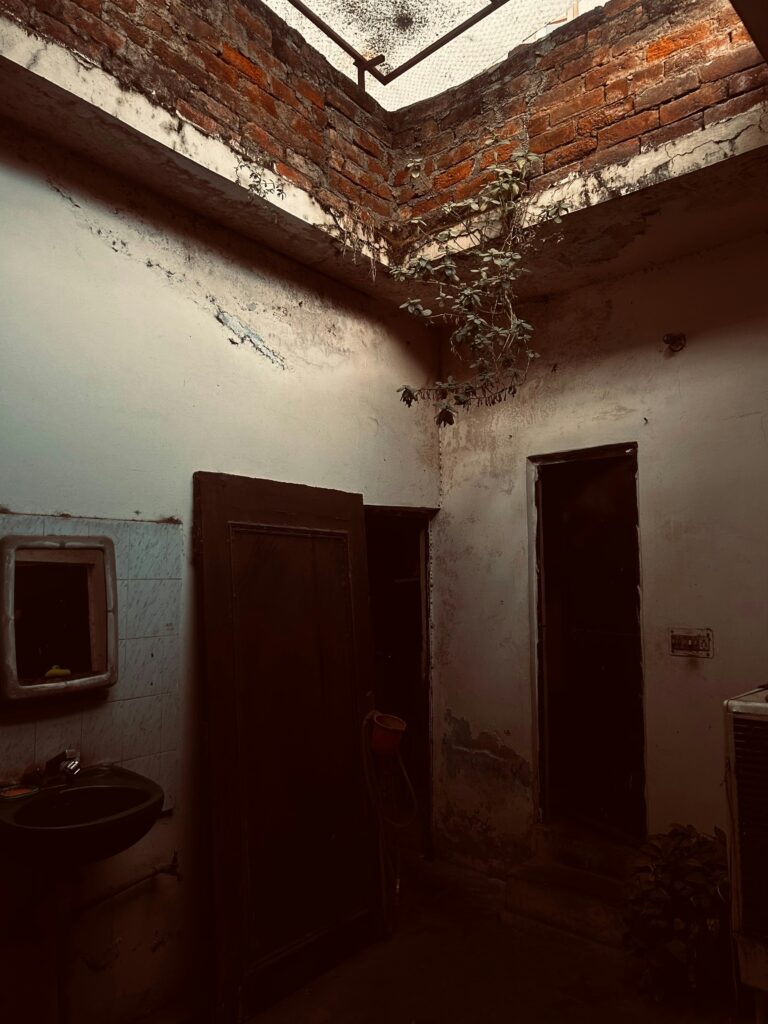
Discovering mold in a Florida home can trigger concerns about health risks, structural damage, and unexpected expenses. Professional mold testing offers a precise way to assess hidden contamination, quantify airborne spores, and guide safe remediation, balancing upfront costs against long-term benefits. This guide explains why mold testing is critical in Florida’s humid climate, breaks down inspection and testing expenses, evaluates return on investment for families and property owners, outlines a comprehensive testing process, highlights region-specific health risks, clarifies Florida regulations, and shows how MoldSafeHomes.com delivers certified expertise and affordable solutions.
Why Is Mold Testing Important in Florida’s Humid Climate?
Mold testing identifies invisible contamination before it escalates into serious health hazards or structural decay, providing homeowners with actionable data to safeguard families and properties. In Florida’s consistently warm, moisture-laden atmosphere, mold spores colonize within 24–48 hours of water intrusion, making early detection essential for prevention.
A clear understanding of invisible mold pockets and spore concentrations enables targeted remediation that preserves indoor air quality and reduces medical and repair costs.
What Makes Florida a High-Risk Area for Mold Growth?
Florida’s subtropical climate combines average humidity levels above 60 percent with frequent rain, tropical storms, and coastal salt spray.
- Warm temperatures above 70 °F year-round create an ideal environment for fungal reproduction.
- High indoor moisture from air conditioning condensation and poorly ventilated spaces accelerates colonization.
- Occasional flooding and leaks introduce water behind walls, under floors, and in attics.
These factors lead to rapid colonization of mold species like Cladosporium, Aspergillus, and Stachybotrys chartarum, necessitating vigilant monitoring and timely testing to prevent hidden outbreaks.
What Are the Common Signs of Mold in Florida Homes?
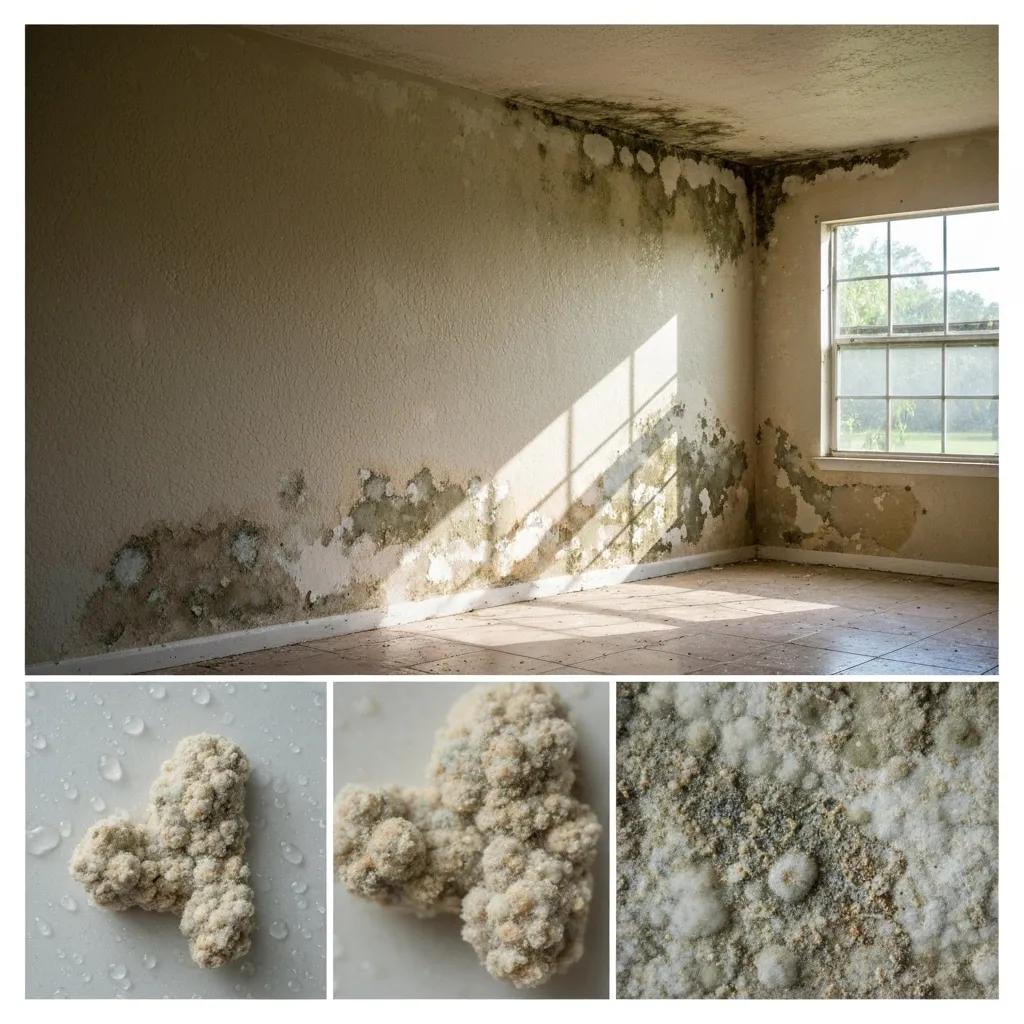
Before testing, visual cues and sensory indicators often signal potential mold presence:
- Musty or earthy odors lingering in closets, bathrooms, basements, or crawl spaces.
- Discolored patches—black, green, brown, or white—on walls, ceilings, window frames, or under sinks.
- Peeling paint or bubbling drywall where water damage has occurred.
- Unexplained allergic reactions: sneezing, itchy eyes, nasal congestion, or skin irritation.
- Warped wood and rusted metal in high-moisture areas.
Noticing these signs should prompt mold testing to confirm contamination levels and guide targeted remediation.
How Does Hidden Mold Affect Indoor Air Quality and Health?
Hidden mold often thrives behind walls, inside ductwork, or under flooring, releasing spores and mycotoxins into living spaces. These airborne particles reduce indoor air quality by:
- Triggering allergic symptoms such as coughing and wheezing.
- Exacerbating asthma in sensitive individuals.
- Contributing to chronic fatigue, headaches, and sinus congestion.
By quantifying spore concentrations through air and surface sampling, mold testing provides a clear baseline for remediation and ensures that indoor environments return to safe, breathable standards.
How Much Does Mold Inspection and Testing Cost in Florida?
Understanding the components that drive mold testing expenses helps homeowners evaluate service options and budget accurately. Professional assessments typically bundle visual inspections, advanced moisture detection, sampling kits, and detailed lab analysis to deliver comprehensive insights. Knowing which factors influence quotes and comparing professional fees to DIY kits clarifies the true cost-benefit of certified testing.
What Factors Influence Mold Testing Costs in Florida?
Inspection and sampling fees depend on:
- Property size: Larger homes require more inspection time and samples.
- Number of test locations: Each room or suspected area may need separate sampling.
- Type of sampling: Air sampling, surface swabs, bulk material tests, or ERMI (environmental relative moldiness index) panels carry different lab fees.
- Equipment and technology used: Thermal imaging, moisture meters, and particle counting devices add diagnostic value.
- Turnaround time for lab results and report complexity.
What Is the Average Price Range for Professional Mold Testing?
Below is a typical cost breakdown based on service level and property size:
| Service Package | Typical Price Range | Includes |
|---|---|---|
| Basic Air & Surface | $300 – $450 | Visual inspection, 3 air samples, 2 surface swabs |
| Comprehensive Testing | $450 – $600 | Infrared scan, 5 air samples, 5 surface samples, lab report |
| ERMI Panel Analysis | $600 – $800 | ERMI dust sample, advanced species quantification |
How Does Mold Inspection Cost Compare to DIY Testing Kits?
DIY kits offer convenience but lack professional precision:
- DIY kits range from $20 to $80 per kit, typically including basic petri-dish swabs.
- Kits seldom measure airborne spore counts accurately or identify species concentration.
- Professional services provide certification, interpret results, and recommend remediation protocols.
While DIY may suit preliminary checks, certified testing by MoldSafeHomes.com delivers actionable data that protects health and property value, often preventing costly oversights.
Is Professional Mold Testing Worth the Investment in Florida?
Yes, professional mold testing justifies its cost by delivering precise contamination mapping, expert guidance, and documented results that support health protection, property value preservation, and legal compliance. Investing in certified assessments upfront often avoids far greater medical bills, structural repairs, and liability situations.
How Does Mold Testing Protect Your Family’s Health?
Professional air and surface sampling quantifies harmful spores and mycotoxins, identifying species like Stachybotrys (black mold) or Aspergillus that can trigger severe respiratory issues. By revealing hidden hotspots, testing enables targeted remediation that:
- Reduces allergic and asthmatic flare-ups.
- Minimizes chronic sinus infections and headaches.
- Lowers long-term healthcare costs through early detection.
Ensuring clean air quality safeguards vulnerable family members and fosters a healthier home environment.
How Does Mold Testing Preserve Property Value and Prevent Damage?
Documented mold assessments reveal moisture-induced decay before it compromises structural integrity. Early detection and remediation:
- Prevent costly repairs to framing, drywall, or flooring.
- Maintain resale value by providing buyers with professional inspection reports.
- Avoid insurance claim denials related to undocumented mold damage.
Investing in mold testing today can save thousands in repair bills tomorrow.
What Peace of Mind and Legal Protections Does Professional Testing Provide?
Certified mold testing delivers a formal report from licensed assessors, which:
- Serves as legal documentation in landlord-tenant disputes and real estate transactions.
- Meets guidelines set by Florida’s Department of Business and Professional Regulation (DBPR).
- Offers assurance that remediation efforts are based on accurate data, safeguarding occupants and property owners.
This certified approach fosters confidence and compliance in every mold-related situation.
What Does a Comprehensive Mold Inspection and Testing Process Include?
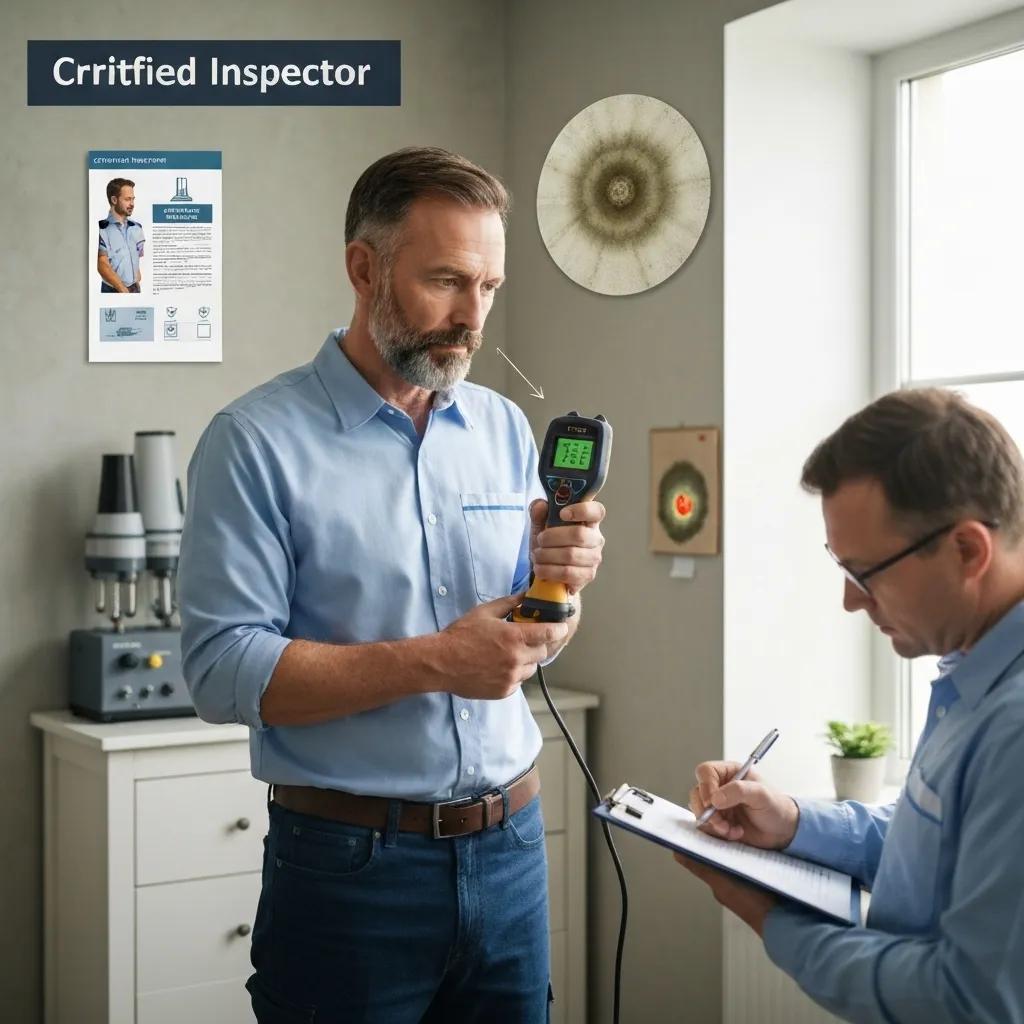
A thorough inspection combines visual assessment, moisture detection, and laboratory analysis to deliver a clear contamination map. Understanding each step clarifies service distinctions and equips homeowners to select the right testing package.
How Do Certified Inspectors Detect Visible and Hidden Mold?
MoldSafeHomes.com inspectors follow a structured workflow:
- Conduct a detailed visual survey of high-risk areas (bathrooms, kitchens, basements).
- Use moisture meters to pinpoint damp substrates behind walls or under floors.
- Employ thermal imaging cameras to reveal temperature anomalies indicative of water intrusion.
- Evaluate HVAC systems and crawl spaces for hidden microbial growth.
This multi-tool approach ensures no mold pocket goes unnoticed, leading into precise sampling.
What Types of Samples Are Collected and Analyzed in Mold Testing?
Sampling methods include:
- Air Samples: Collect airborne spores via spore traps to measure indoor versus outdoor concentrations.
- Surface Swabs: Scrape visible mold for species identification.
- Bulk Samples: Retrieve sections of contaminated material for laboratory culture.
- Dust/ERMI Panels: Assess overall microbial burden in settled dust over time.
Each sample type enriches the lab’s ability to quantify species, concentration, and health risk.
How Are Mold Testing Results Reported and Interpreted?
After lab analysis, clients receive a comprehensive report featuring:
- Spore concentration graphs comparing indoor/outdoor counts.
- Identification of mold genera and species.
- Photographic documentation of sampling locations.
- Remediation recommendations with action priorities.
This report provides a clear roadmap for safe, effective mold removal and ongoing prevention.
What Are the Health Risks of Mold Exposure Specific to Florida?
Florida’s predominant mold strains produce potent irritants and mycotoxins that burden respiratory and immune systems. Recognizing species distribution and symptom profiles helps residents take informed protective measures.
Which Mold Types Are Most Common and Harmful in Florida Homes?
An overview of prevalent Florida molds:
| Mold Species | Health Impact | Growth Conditions |
|---|---|---|
| Stachybotrys chartarum | Mycotoxin production, severe respiratory irritation | High-cellulose materials, constant moisture |
| Aspergillus fumigatus | Allergic bronchopulmonary disease, invasive infections | Damp walls, HVAC systems |
| Cladosporium herbarum | Allergic reactions, asthma triggers | Wood, fabric, paper surfaces |
| Penicillium chrysogenum | Sinusitis, skin irritation | Water-damaged materials |
What Symptoms and Long-Term Effects Can Mold Exposure Cause?
Exposure to mold spores and byproducts can lead to:
- Nasal congestion, sneezing, and eye irritation.
- Persistent cough, wheezing, and shortness of breath.
- Chronic sinus infections and fatigue.
- Neurological effects: headaches, difficulty concentrating, mood swings.
Long-term exposure may contribute to immune dysregulation and exacerbation of chronic conditions like asthma.
Who Is Most Vulnerable to Mold-Related Health Issues in Florida?
High-risk groups include:
- Young children with developing immune systems.
- Seniors and those with chronic respiratory diseases.
- Immunocompromised individuals: chemotherapy patients, HIV-positive adults.
- Allergy sufferers prone to hypersensitivity reactions.
Testing and remediation reduce these individuals’ exposure, promoting safer living conditions.
How Do Florida Mold Laws and Regulations Affect Testing and Remediation?
Florida regulates mold assessment and remediation to protect public health, requiring licensed professionals for accurate inspections and safe cleanup.
What Are Florida’s Licensing Requirements for Mold Inspectors and Remediators?
Under DBPR guidelines:
- Mold assessors must hold a state license, complete approved training, and pass an exam.
- Mold remediators require separate licensure with documented remediation project experience.
- Continuing education ensures professionals stay current with best practices.
Hiring licensed assessors and remediators guarantees adherence to Florida’s health and safety standards.
What Are Landlord and Tenant Rights Regarding Mold in Florida?
Florida landlord-tenant law mandates:
- Landlords maintain habitable conditions, addressing significant mold growth promptly.
- Tenants notify landlords of water leaks or visible mold.
- If remediation is neglected, tenants may seek legal remedies or arrange certified testing and deduct costs from rent.
Documented mold reports facilitate resolution and protect both parties in disputes.
How Can Mold Testing Help Ensure Legal Compliance and Protection?
Certified testing produces formal documentation that:
- Demonstrates due diligence by property owners.
- Supports insurance claims for mold-related damage.
- Serves as evidence in real estate transactions and legal proceedings.
Accurate, licensed inspection reports safeguard homeowner rights and tenant well-being.
How Does MoldSafeHomes.com Provide Affordable and Reliable Mold Testing in Florida?
MoldSafeHomes.com delivers certified mold assessments combining expert credentials, advanced technology, and transparent pricing to ensure accessible, accurate results across Florida. Our process integrates seamlessly with homeowners’ budgets and health priorities.
What Certifications and Technologies Do Our Inspectors Use?
Our licensed assessors hold Florida DBPR credentials and certifications from accredited bodies. We employ:
- Thermal imaging to detect hidden moisture behind walls.
- High-precision moisture meters to quantify dampness.
- Spore trapping devices for air sampling with calibrated flow rates.
- Accredited laboratory partnerships for detailed species identification and quantification.
These tools and credentials ensure comprehensive detection and reliable data.
What Do Clients Say About Our Mold Testing Services?
Homeowners report that our thorough assessments and clear reports:
- Uncover hidden mold with precise location maps.
- Reduce anxiety by quantifying risks and guiding remediation.
- Save money by preventing unnecessary broad-scale demolition.
Their testimonials underscore our commitment to trust, transparency, and tangible results.
How Can You Schedule an Affordable Mold Testing Consultation?
Securing a professional consultation involves three simple steps:
- Call our office to outline your property size and concerns.
- Receive a customized cost estimate with no hidden fees.
- Schedule on-site inspection at a convenient time, with rapid lab reporting.
Our team prioritizes clarity, responsiveness, and adherence to budgets, ensuring you gain expert insights without surprise costs.
What Are the Next Steps After Mold Testing: Remediation and Verification?
After sampling confirms contamination, a strategic remediation plan restores safety and prevents recurrence. Post-remediation verification closes the loop, ensuring air quality meets health standards.
What Does Mold Remediation Involve in Florida Homes?
Remediation protocols include:
- Containment of affected areas to prevent spore spread.
- Safe removal of contaminated materials (drywall, insulation, carpeting).
- Surface cleaning with EPA-registered antimicrobial agents.
- HVAC duct cleaning and filter replacement.
- Repairs to plumbing or structural elements to eliminate moisture sources.
Effective remediation restores livable conditions and halts mold regrowth.
Why Is Post-Remediation Testing Important?
Post-remediation verification provides quantitative proof that cleanup succeeded:
- New air and surface samples confirm spore counts have returned to safe thresholds.
- A follow-up report certifies that remediation goals were met.
- Peace of mind ensures occupants can resume normal activities without health concerns.
This final step protects investments and affirms complete restoration.
How Can Professional Guidance Ensure Effective Mold Remediation?
Certified consultants review test results and design tailored cleanup plans that:
- Address root causes of moisture intrusion.
- Sequence remediation tasks to optimize time and cost.
- Advise on preventive measures: improved ventilation, dehumidification, and routine monitoring.
Expert oversight streamlines the process, avoids common pitfalls, and upholds health and property standards.
For homeowners and property managers across Florida, investing in professional mold testing is not merely an expense but a safeguard for health, home value, and legal peace of mind. Certified assessments by MoldSafeHomes.com combine proven technology, licensed expertise, and transparent pricing to deliver actionable insights and reliable documentation. Early detection prevents hidden mold from escalating into costly repairs or medical issues, ensuring your living environment remains safe and structurally sound. Reach out today to schedule an affordable consultation and protect your family and property from the risks of mold exposure.
Conclusion
Investing in professional mold testing is essential for safeguarding your health and property in Florida’s humid climate. By identifying hidden mold and providing actionable insights, certified assessments help prevent costly repairs and health issues. Don’t wait for mold to become a serious problem; take proactive steps to ensure a safe living environment. Contact MoldSafeHomes.com today to schedule your affordable consultation and protect your home from mold risks.