Top Affordable Mold Inspection Companies in Florida: Comprehensive Guide to Services, Costs, and Certified Experts
With Florida’s average annual humidity exceeding 70% and frequent storm-driven water intrusion fueling hidden fungal growth, choosing top affordable mold inspection services in Florida is critical to protecting both health and property. This guide explains why professional mold assessment matters, details the full spectrum of inspection services, unpacks transparent cost factors, highlights essential certifications, outlines remediation and compliance steps, profiles trusted local providers, explores health implications, and shows how to schedule an inspection seamlessly. You’ll navigate risk drivers, service comparisons, pricing breakdowns, credential checks, remediation workflows, legal obligations, local reputations, health considerations, and the straightforward process to book affordable mold inspection services in Florida.
Why Is Professional Mold Inspection Essential for Florida Homes?
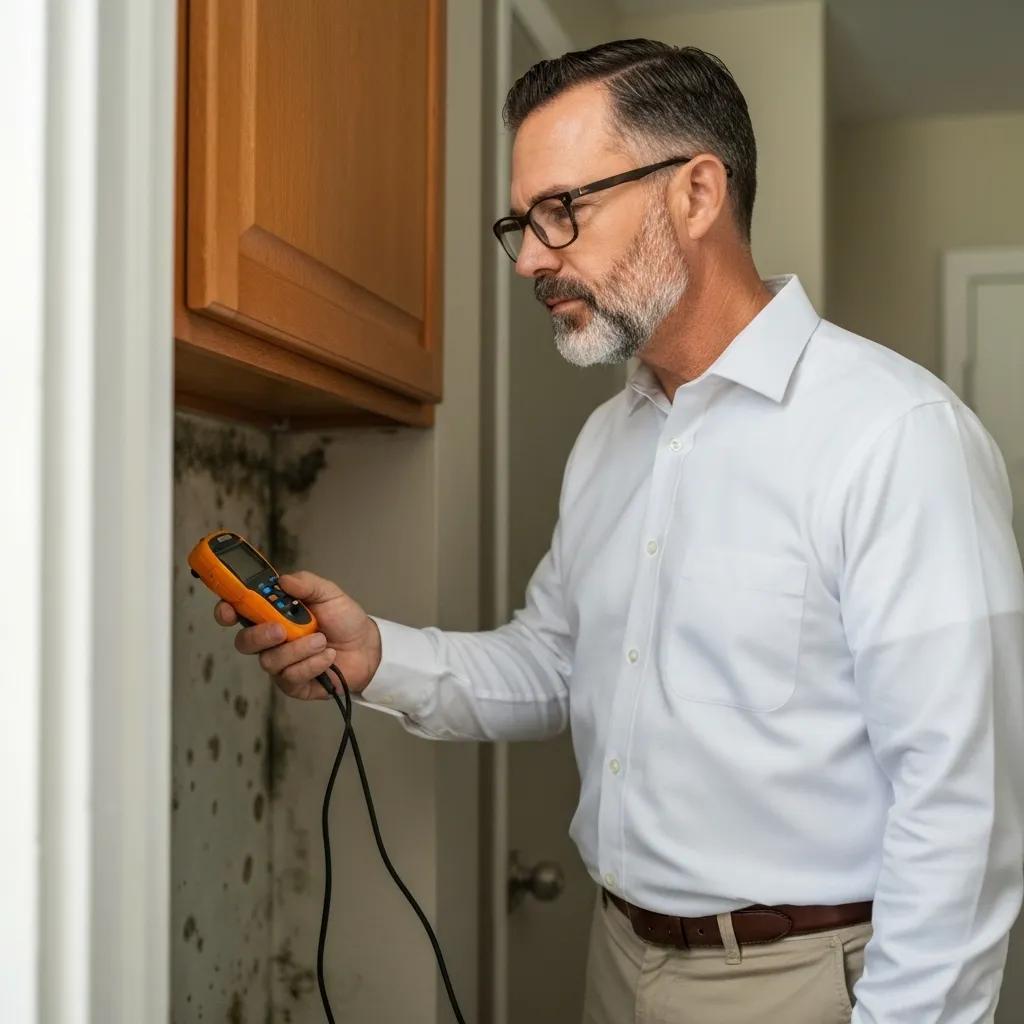
Professional mold inspection is a systematic evaluation performed by certified experts who identify fungal species, moisture sources, and hidden contamination in residential properties. Because Florida’s subtropical climate and frequent flooding events create ideal conditions for mold proliferation, relying on a visual-only approach can miss concealed growth that threatens indoor air quality and structural integrity. For example, a detailed inspection of a post-hurricane condo uncovered elevated spore counts behind taped drywall seams, preventing costly secondary damage. This imperative for professional assessment arises from Florida’s unique environmental factors, which we will examine next.
How Does Florida's Climate Increase Mold Risks?
Florida’s climate drives mold growth through constant humidity, storm-induced water intrusion, and high temperatures.
- Year-Round Humidity – Continuous moisture levels above 60% provide spores with the hydration needed for rapid colonization.
- Seasonal Storms – Heavy rains and hurricanes introduce water into basements, attics, and walls, creating hidden wet zones.
- Warm Temperatures – Average temperatures from 70°F to 90°F accelerate fungal metabolism, enabling some species to double in 24–48 hours.
These interconnected climatic drivers fuel mold growth behind walls and under flooring, making targeted inspection essential before minor moisture issues escalate into major infestations. Understanding these triggers leads us to the next discussion on the risks posed by unchecked mold exposure.
What Are the Health and Property Risks of Mold Exposure?
Unaddressed mold growth jeopardizes respiratory health and property value by releasing spores and volatile byproducts into living spaces. Sensitive individuals may experience persistent coughing, sneezing, watery eyes, or skin irritation. Prolonged exposure can aggravate asthma, trigger allergic reactions, and even contribute to chronic sinus infections. Property-wise, unchecked mold undermines drywall integrity, warps wooden components, and causes paint delamination, leading to costly structural repairs. Recognizing these risks underscores the value of proactive inspection.
Institute of Medicine (US) Committee on Damp Indoor Spaces and Health, “Damp Indoor Spaces and Health” (2004)
[The Health Risks of Mold Exposure]
Exposure to mold can cause a variety of health problems, especially for those with sensitivities. These can include respiratory issues, allergic reactions, and other health concerns. The severity of these symptoms can vary depending on the individual and the type of mold present.
How Can Mold Inspection Protect Your Family and Property?
Comprehensive mold inspection shields occupants by detecting hidden colonies, quantifying spore levels, and pinpointing moisture sources before health or structural harm occurs. Certified inspectors use moisture meters, thermal imaging, and laboratory air and surface analysis to deliver data-driven recommendations. Early detection limits contamination spread, reduces remediation expenses by up to 50%, and restores indoor air quality swiftly. With these protective benefits in place, let’s explore the specific services offered by affordable mold inspection companies in Florida.
What Services Do Affordable Mold Inspection Companies in Florida Offer?
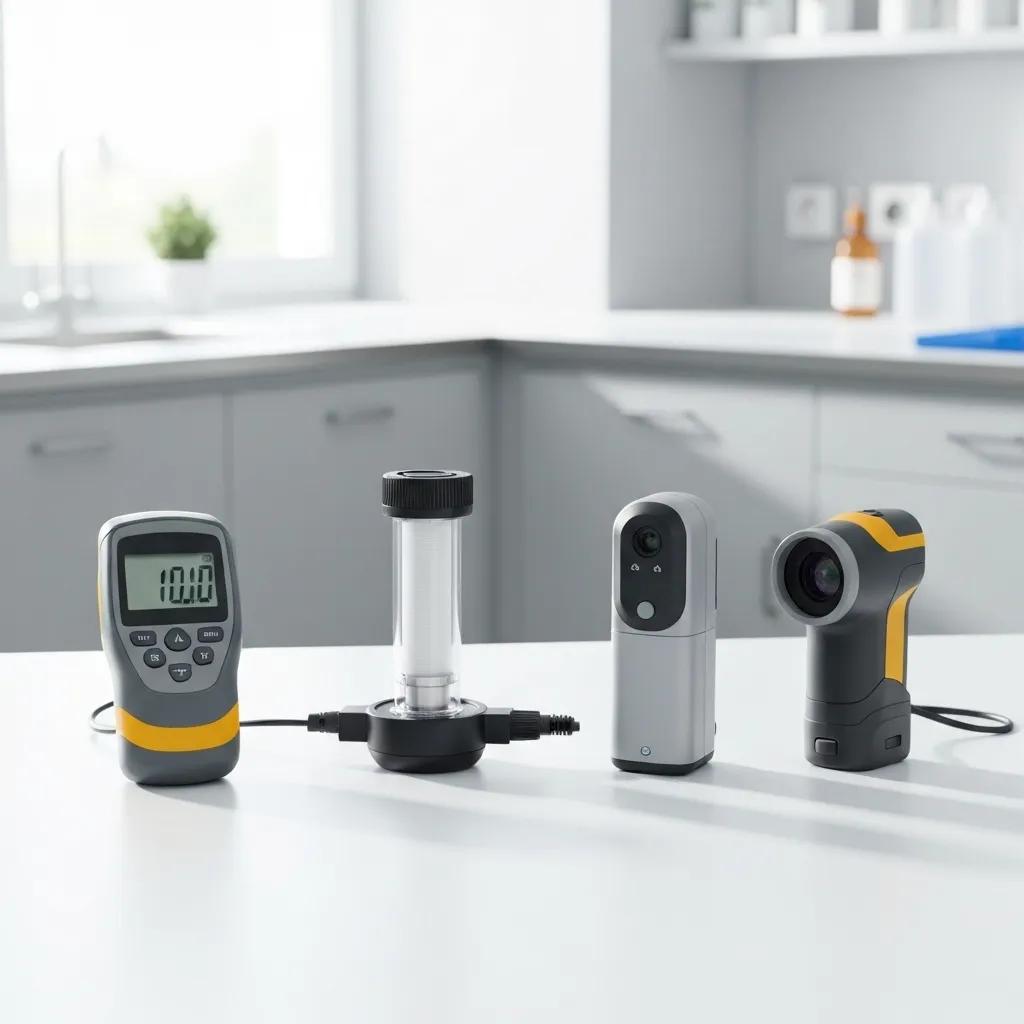
Affordable mold inspection services in Florida encompass visual assessments, moisture mapping, air and surface sampling, mycotoxin screening, and expert consultation. By integrating advanced diagnostics with clear reporting, these providers deliver actionable insights for homeowners and property managers. Below is a breakdown of key offerings.
What Is Included in a Comprehensive Mold Inspection?
A comprehensive mold inspection typically comprises five core stages that reveal fungal presence and moisture vulnerabilities:
- Visual Assessment and Documentation of visible mold patches and water stains.
- Moisture Mapping using infrared thermography and hygrometers to locate hidden dampness.
- Air Sampling to quantify airborne spore concentrations against outdoor baselines.
- Surface Sampling (tape lift or swab) to identify mold genera on walls, ceilings, and HVAC components.
- Expert Consultation including a detailed report with remediation recommendations and preventive measures.
These integrated steps ensure unseen contamination is identified early, guiding efficient remediation and preventing repeat infestations.
How Do Mold Testing Services Differ: Air vs. Surface Testing?
Below is a comparison of the two primary sampling methods used during a mold inspection to clarify their distinct advantages.
| Sampling Method | Sample Medium | Key Attribute | Primary Benefit |
|---|---|---|---|
| Air Sampling | Indoor and outdoor air | Spore concentration | Quantifies airborne exposure levels for health |
| Surface Sampling | Tape lift or swab | Direct species identification | Confirms specific mold types on building surfaces |
Each method provides unique insights: air sampling gauges exposure risk, whereas surface sampling pinpoints exact species for targeted remediation. Understanding these testing distinctions prepares homeowners to choose the right sampling mix.
When Should You Schedule Mold Testing in Florida?
Owners and renters should arrange mold testing under these conditions:
- After any flooding event or significant leak to detect hidden moisture.
- When occupants report unexplained respiratory symptoms or musty odors.
- Following home renovations that disturb wall cavities or HVAC ductwork.
- Prior to property purchase or lease to ensure a safe indoor environment.
Coordinating testing at these critical triggers prevents undetected mold from compromising health and home value.
How Do Mold Inspection Companies Provide Consultation and Reports?
Mold inspection firms present findings through concise, actionable deliverables:
- Digital Report summarizing sampling results, moisture maps, fungal genera identified, and recommended remediation scope.
- Photographic Evidence documenting contamination zones and moisture readings.
- One-on-One Consultation explaining health implications, remediation options, and maintenance strategies.
- Follow-Up Support guiding verification sampling after remediation to confirm successful mold removal.
These expert insights empower property owners to make informed decisions and maintain a mold-safe living environment.
How Much Does Mold Inspection Cost in Florida?
Mold inspection costs in Florida typically range from $200 to $600, reflecting property size, sampling complexity, and geographic location. Transparent pricing breaks down labor, laboratory analysis, equipment usage, and report generation. Below, we explore the primary factors driving cost variations.
What Factors Affect Mold Inspection Pricing in Florida?
Several variables influence inspection fees:
- Property Size – Larger homes or commercial spaces require more sampling points and extended assessment time.
- Testing Types – Including both air and surface sampling or adding mycotoxin analysis raises lab costs.
- Accessibility – Hard-to-reach areas or specialized containment setups increase labor requirements.
- Response Time – Rush inspections with same-day reports often incur premium charges.
Acknowledging these elements allows homeowners to tailor inspection scopes to budget constraints without sacrificing thoroughness.
How to Compare Mold Inspection Prices Among Florida Companies?
When evaluating quotes, consider:
- Scope of Services – Ensure proposals list all inspection components and lab tests.
- Sample Quantities – Compare the number of air and surface samples included.
- Report Detail – Assess whether the report offers clear remediation guidance and preventive tips.
- Certification and Insurance – Confirm inspectors hold relevant credentials and liability coverage.
By aligning service level with fees, you can identify the most cost-effective provider offering comprehensive diagnostics.
What Does an Affordable Mold Inspection Quote Include?
| Quote Component | Description | Typical Range |
|---|---|---|
| Labor and Site Assessment | On-site inspection time and data collection | $100–$300 |
| Laboratory Analysis | Per-sample cost for mold spore identification | $50–$150 per sample |
| Reporting and Consultation | Detailed findings and expert recommendations | $50–$100 |
An itemized quote helps homeowners understand where funds are allocated and ensures no hidden fees emerge after service completion.
Are There Ways to Save on Mold Inspection Without Sacrificing Quality?
Homeowners can reduce costs by:
- Bundling air and surface samples into a package deal.
- Scheduling inspections during off-peak seasons to avoid surge pricing.
- Selecting essential testing points based on visible risk factors.
- Confirming included follow-up verification sampling to prevent repeat fees.
Strategic planning of test scopes and timing helps secure reliable inspection within budget.
Who Are Certified Mold Inspectors in Florida and Why Does Certification Matter?
Certified mold inspectors in Florida hold credentials that guarantee adherence to industry standards and validated methodologies. Working with accredited professionals minimizes the risk of inaccurate assessments and ensures compliance with legal requirements. Next, we’ll outline qualifications to seek in a certified inspector.
What Qualifications Should You Look for in a Certified Mold Inspector?
Key certifications and credentials include:
- IICRC credentials in mold inspection and remediation.
- ACAC Indoor Environmentalist credentials.
- NADCA certifications for HVAC mold assessment.
- State-licensed environmental consulting credentials, where applicable.
Inspectors with these qualifications demonstrate expertise in sampling protocols, reporting standards, and remediation oversight, ensuring reliable results.
How Do Certified Inspectors Conduct Mold Assessments Differently?
Certified professionals apply structured protocols:
- Pre-Inspection Interview to understand property history and occupant health concerns.
- Controlled Sampling using calibrated equipment and chain-of-custody procedures.
- Data-Driven Analysis comparing indoor spore counts to outdoor baselines.
- Comprehensive Remediation Plan with containment, removal, and verification steps.
This methodical approach contrasts with informal evaluations, delivering precise, defensible findings backed by industry best practices.
Which Florida Cities Are Served by Certified Mold Inspectors?
MoldSafe Homes and other accredited firms typically cover major metropolitan hubs and surrounding areas:
- South Florida: Miami, Fort Lauderdale, West Palm Beach
- Central Florida: Orlando, Tampa, Lakeland
- Northeast Florida: Jacksonville, St. Augustine
- Southwest Florida: Naples, Fort Myers
These service areas reflect broad geographic coverage for reliable mold assessment across the state.
How Does MoldSafe Homes Ensure Certified and Experienced Inspectors?
MoldSafe Homes employs only inspectors who hold dual IICRC and ACAC certifications and maintain ongoing training in advanced sampling technologies. Each team member averages over five years of field experience, supported by state-of-the-art equipment and third-party laboratory partnerships. This commitment to credentialed expertise reinforces MoldSafe Homes’ status as a trusted authority in affordable mold inspection services in Florida.
What Is the Mold Remediation Process After Inspection in Florida?

Remediation converts inspection findings into action by safely removing contamination, repairing water damage, and restoring healthy indoor air quality. A structured remediation process follows recognized industry guidelines to ensure lasting results, which we’ll outline next.
IICRC S520 Standard for Professional Mold Remediation (2015)
[Mold Inspection and Remediation Standards]
Professional mold inspection and remediation often follow specific industry guidelines to ensure effective removal and prevent future growth. These guidelines include steps like containment, air filtration, and surface cleaning. Following these steps helps to ensure that the mold is removed safely and effectively.
What Are the Key Steps in Mold Remediation?
- Containment to isolate contaminated areas and prevent spore dispersal.
- Air Filtration using HEPA-filtered negative air machines to capture airborne spores.
- Removal of Mold-Infested Materials such as drywall, flooring, or insulation.
- Surface Cleaning and Disinfection with EPA-registered antimicrobials.
- Structural Repairs to address underlying moisture sources (leaks, poor ventilation).
This systematic workflow eliminates active mold growth and addresses root causes to minimize recurrence.
How Is Post-Remediation Verification Conducted?
Verification sampling replicates initial tests to confirm successful mold removal:
- Air Sampling checks that spore levels have returned to baseline or below.
- Surface Sampling ensures no residual fungal colonies remain.
- Visual Clearance confirms cleaned surfaces show no visible mold or staining.
Successful verification delivers documented proof of remediation effectiveness, providing peace of mind and compliance with insurance or legal requirements.
How Can You Prevent Future Mold Growth in Florida Homes?
Sustained mold prevention relies on managing moisture and improving airflow:
- Maintain indoor humidity below 50% using dehumidifiers in prone areas.
- Ensure adequate ventilation in bathrooms, kitchens, and laundry rooms.
- Promptly repair leaks in roofs, plumbing, and windows.
- Insulate cold surfaces to avoid condensation buildup.
Adopting these maintenance practices curtails mold-friendly conditions, extending the benefits of professional remediation into the future.
How Do Florida Mold Regulations Impact Mold Inspection and Remediation?
Florida’s statutes set requirements for licensed professionals, tenant and landlord responsibilities, and documentation standards. Complying with these regulations protects property owners and occupants from liabilities and ensures quality outcomes.
What Are the Key Florida Mold Statutes Affecting Homeowners and Renters?
Florida regulations under Chapter 468 and Chapter 489 mandate:
- Licensing for mold assessment and remediation contractors.
- Minimum inspection protocols and sampling standards.
- Mandatory written estimates and work scopes before service commencement.
Understanding these statutes helps homeowners select compliant firms and avoid unlicensed providers offering subpar services.
What Are Tenant and Landlord Rights Regarding Mold in Florida?
Florida law assigns responsibilities as follows:
- Landlords must maintain habitable properties free from water intrusion and visible mold hazards.
- Tenants should promptly notify landlords of moisture issues or mold observations.
- Both parties may request third-party inspections to document mold conditions.
Clear awareness of these rights and duties prevents disputes and ensures timely remediation.
How Can Certified Mold Inspectors Help with Legal Documentation?
Accredited inspectors produce defensible reports ideal for:
- Insurance claims by detailing cause, extent of damage, and recommended repairs.
- Real estate transactions by providing pre-closing mold assessments.
- Litigation support through expert testimony and chain-of-custody sample records.
Professional documentation from certified inspectors strengthens legal positions and expedites resolution.
Which Local Florida Mold Inspection Companies Are Trusted and Affordable?
Local expertise and affordability converge in city-focused providers who combine regional insights with transparent pricing. Below we compare offerings in two major markets and highlight client feedback trends.
What Are the Top Affordable Mold Inspection Companies in Fort Lauderdale?
Fort Lauderdale inspection firms specialize in coastal property assessments, employing moisture-resistant sampling kits and surge-proof reporting systems. These local experts deliver average inspection fees of $250–$450 for 1,500–3,000 ft² homes, with optional mycotoxin screening starting at $100 extra. Their familiarity with waterfront building materials reduces turnaround times and remediation complexities, ensuring both swift results and budget-friendly service.
How Do Miami Mold Inspection Services Compare in Price and Quality?
Miami providers face higher operational costs but counterbalance with advanced laboratory partnerships offering same-day spore analysis. Typical inspection packages range from $300 to $600, inclusive of five air samples and three surface samples. Their use of drone-assisted roof inspections and mold-detecting UAV sensors elevates detection accuracy, delivering premium diagnostics at competitive rates.
What Reviews and Testimonials Support Florida Mold Inspection Companies?
Across client feedback platforms, affordable mold inspection firms earn praise for:
- Transparent pricing with no hidden fees.
- Rapid turnaround times on lab results and reports.
- Professional conduct and clear remediation guidance.
- Sensitive handling of health concerns for mold-sensitive individuals.
Consistent five-star ratings underscore the trust homeowners place in credible, cost-effective inspectors.
How to Choose the Best Mold Inspection Company for Your Florida Property?
When selecting a local provider, prioritize:
- Accredited certifications (IICRC, ACAC) and proof of ongoing training.
- Transparent, itemized quotes detailing sampling and reporting costs.
- Prompt scheduling options to address active leaks or symptomatic occupants.
- Client testimonials emphasizing trustworthiness and thoroughness.
These criteria ensure you partner with an inspector who balances affordability with professional rigor.
What Are the Health Effects of Mold Exposure in Florida Homes?
Mold spores and mycotoxins released by certain species pose measurable threats to indoor air quality and occupant well-being. Recognizing symptoms and high-risk molds enables targeted prevention and inspection urgency.
What Common Symptoms Are Linked to Mold Exposure?
Indoor mold exposure can trigger:
- Respiratory Irritation – coughing, wheezing, or shortness of breath.
- Allergic Reactions – sneezing, runny nose, itchy eyes, and skin rashes.
- Headaches and Fatigue – chronic sinus pressure and general malaise.
- Cognitive Impact – difficulty concentrating in sensitive individuals.
Early detection of these symptoms should prompt a professional mold assessment to prevent escalation.
Which Mold Types Pose the Greatest Health Risks in Florida?
Certain fungal species prevalent in Florida carry elevated hazards:
- Stachybotrys chartarum (Black Mold) – produces potent mycotoxins linked to neurological symptoms.
- Aspergillus – can cause invasive lung infections in immunocompromised occupants.
- Penicillium and Cladosporium – common allergens that aggravate asthma and allergies.
Identifying specific genera through laboratory analysis informs appropriate remediation and medical interventions.
How Can Mold-Sensitive Individuals Protect Themselves?
Those with allergies or compromised immune systems should:
- Maintain HEPA-filtered air purifiers in living and sleeping areas.
- Schedule routine inspections and rapid remediation of any moisture events.
- Avoid areas with visible mold or musty odors and use N95 respirators during cleanup.
- Consult healthcare providers for immunological guidance when indoor spore levels spike.
Combining environmental controls with professional services reduces exposure and symptom severity.
How Does Mold Affect Indoor Air Quality in Florida Homes?
Mold releases spores and volatile organic compounds (VOCs) that depress indoor air quality scores, leading to:
- Elevated airborne particulate counts beyond EPA recommended limits.
- Increased VOC readings contributing to headaches and cognitive fatigue.
- Surface microbial growth that perpetuates spore cycling through HVAC systems.
Professional air quality testing quantifies these metrics, guiding effective remediation and ventilation improvements.
How Can You Schedule an Affordable Mold Inspection in Florida?
Securing an inspection appointment involves clear expectations, transparent quoting, and swift booking methods tailored to busy homeowners and renters.
What Should You Expect During a Mold Inspection Appointment?
During the on-site visit, the inspector will:
- Conduct a brief property walkthrough, noting visible moisture indicators.
- Use moisture meters and infrared cameras to locate hidden damp areas.
- Collect air and surface samples based on risk zones.
- Discuss immediate findings and outline next steps for lab analysis.
This structured process delivers clarity and sets timelines for report delivery and remediation planning.
How to Request a Transparent Quote from Mold Inspection Companies?
To obtain an itemized estimate, provide:
- Property square footage and age.
- Areas of specific concern (e.g., crawl space, basement, attic).
- Desired sampling methods (air, surface, mycotoxin).
- Preferred inspection dates and urgency level.
Clear communication of scope prevents surprises and aligns service expectations with your budget.
What Are the Benefits of Early Mold Inspection Scheduling?
Booking an inspection proactively yields multiple advantages:
- Prevents minor moisture issues from evolving into major infestations.
- Ensures healthier indoor air before peak allergy seasons.
- Provides documented condition baselines for real estate transactions.
- Minimizes remediation costs by addressing mold at its earliest stage.
Prioritizing early inspection pays dividends in health protection and cost savings.
How to Contact MoldSafe Homes for Affordable Mold Inspection Services?
To arrange a comprehensive, certified mold inspection with transparent pricing, reach out to MoldSafe Homes by phone at (555) 123-4567 or submit an online request through our contact form at . A certified inspector will respond within one business day to discuss your property’s needs, schedule a convenient appointment, and deliver a free, itemized quote.
Navigating mold risks in Florida requires timely assessment, clear understanding of service offerings, and partnership with certified experts. By leveraging the insights in this guide—spanning environmental drivers, service comparisons, cost breakdowns, credential verification, remediation workflows, regulatory compliance, local provider evaluations, health impact analysis, and streamlined scheduling—you’re equipped to secure top affordable mold inspection services in Florida. Protect your home and well-being today by acting on these proven strategies.
Conclusion
Securing affordable mold inspection services in Florida is essential for safeguarding your health and property from the hidden dangers of mold growth. By understanding the unique risks posed by Florida’s climate and the comprehensive services offered by certified professionals, you can make informed decisions that protect your indoor environment. Don’t wait for minor moisture issues to escalate; schedule your inspection today to ensure a safe and healthy living space. Reach out to our trusted experts for a transparent quote and take the first step towards mold-free living.