Top Benefits of Affordable Mold Assessment Services: Why Professional Mold Testing Is Worth the Cost
Affordable mold assessment delivers early detection of hidden fungal growth, protects your family’s health, preserves structural integrity, and safeguards property value—all without breaking the bank. With one in two homes showing signs of mold contamination, investing in low-cost mold testing companies Florida–style services unlocks a comprehensive evaluation of moisture sources, spore concentrations, and remediation needs. This article examines four pivotal advantages—health protection, financial savings, professional accuracy, and peace of mind—while guiding homeowners, renters, property managers, real estate professionals, and legal experts through each benefit. You will learn:
- What mold assessment does for respiratory health and indoor air quality
- How early detection prevents costly repairs and maintains resale value
- Why certified inspections outperform DIY kits in reliability
- Florida’s unique climate challenges and compliance requirements
- Tailored benefits for different audiences and clear signs it’s time to test
By the end, you’ll understand why professional mold testing is worth every dollar and how an affordable service lays the groundwork for a safer, healthier environment.
What Are the Key Health Benefits of Affordable Mold Assessment?

Affordable mold assessment is a professional evaluation that identifies airborne spores and surface contamination before they trigger respiratory distress, allergies, or chronic conditions. By pinpointing mold species and concentrations, certified inspectors protect occupants from toxins and allergens. For example, a targeted air-sampling survey in a damp basement can reveal hidden Aspergillus or Penicillium spores—allowing timely remediation that prevents asthma flares and sinus infections.
Early intervention through mold testing reduces fungal exposure and halts the progression of health issues in three main ways:
- Removal of airborne spores lowers the risk of asthma attacks and allergic reactions.
- Identification of mycotoxin-producing species enables specific remediation, preventing systemic inflammation.
- Verification of post-remediation air quality ensures a safe environment for vulnerable groups.
These measures reinforce healthy indoor environments and limit long-term medical bills.
How Does Mold Assessment Protect Against Respiratory Issues and Allergies?
Mold assessment protects against respiratory issues and allergies by detecting elevated spore counts before symptoms arise. Certified inspections combine air sampling with bulk or swab tests to quantify allergenic species and measure indoor spore concentrations. This data-driven approach enables targeted remediation—sealing leaks, improving ventilation, and deploying HEPA filtration systems—to reduce triggers that lead to coughing, wheezing, and nasal congestion. Maintaining spore counts below 50 spore particles per cubic meter supports clear airways and fewer antihistamine prescriptions.
What Chronic Illnesses Can Mold Testing Help Prevent?
Professional mold testing helps prevent chronic illnesses by uncovering sources of persistent fungal exposure linked to chronic inflammatory response syndrome (CIRS) and recurrent sinus infections. When inspectors identify species like Stachybotrys chartarum or Chaetomium globosum, occupants can address both visible and hidden growth. Timely sampling and lab analysis reduce exposure to mycotoxins that contribute to fatigue, cognitive impairment, and joint pain. Early remediation averts long-term sequelae, eases immune burdens, and supports sustained wellness.
Why Is Mold Assessment Important for Protecting Vulnerable Populations?
Mold assessment is critical for vulnerable populations—infants, elderly adults, and immunocompromised individuals—because even low spore levels can trigger severe reactions. Infants exposed to damp-related molds have up to three times greater risk of developing asthma, while seniors with compromised lung function can experience life-threatening pulmonary infections. A certified inspection pinpoints hotspots, enabling safe living spaces for those most at risk and preventing acute health crises.
How Does Mold Testing Improve Indoor Air Quality?
Mold testing improves indoor air quality by identifying hidden contamination in ductwork, behind walls, and under flooring. Airborne spore analysis measures colony-forming units per cubic meter (CFU/m³), guiding interventions such as UV-C sanitation, humidity control, and targeted encapsulation. By reducing CFU/m³ to acceptable thresholds (below 100 CFU/m³), professional assessments ensure healthier breathing conditions, lower particulate counts, and fewer airborne allergens.
How Does Affordable Mold Assessment Save Money and Protect Property Value?
Affordable mold assessment provides cost savings and preserves property equity by preventing extensive damage and market devaluation. Identifying moisture intrusion and fungal colonization early curbs structural deterioration, limits material replacement, and reduces remediation bills. Property owners who document professional test results can negotiate insurance claims more effectively and maintain listing prices, often avoiding 20–37 percent value drops due to undisclosed mold issues.
How Can Early Mold Detection Prevent Costly Structural Damage?
Early mold detection prevents costly structural damage by revealing leaks, condensation pockets, and hidden growth before wood rot and drywall decay set in. A moisture meter inspection combined with infrared thermal imaging locates damp areas behind finishes. Addressing these issues proactively can save thousands in repairs—transforming a small patch-and-seal job into a simple maintenance expense rather than a full wall replacement.
What Are the Long-Term Financial Advantages of Professional Mold Testing?

Professional mold testing offers long-term financial advantages by:
- Reducing future remediation costs through precise identification and targeted treatment
- Lowering homeowner insurance premiums with documented inspections
- Avoiding health-related medical bills tied to undiagnosed mold exposure
- Extending the longevity of building materials and HVAC systems
Over a decade, these savings can exceed the initial testing fee by two- to threefold, making mold assessment a sound investment.
How Does Mold Assessment Help Maintain and Enhance Property Value?
Mold assessment maintains and enhances property value by providing buyers and lenders with transparent inspection reports. Certified documentation of low spore levels and moisture control measures reassures stakeholders, supports fair market pricing, and differentiates listings in competitive Florida real estate markets. Sellers who furnish professional mold reports often achieve faster closings and higher offers.
Can Mold Testing Assist with Insurance Claims and Legal Issues?
Mold testing assists with insurance claims and legal matters by supplying objective lab-verified data on contamination levels, species identification, and remediation success. Detailed reports serve as admissible evidence for claim negotiations or litigation, helping property managers and attorneys resolve disputes over water damage, landlord-tenant responsibilities, and liability. Professional assessments ensure accountability and streamline resolution processes.
Why Choose Professional Mold Assessment Over DIY Mold Testing Kits?
Professional mold assessment outperforms DIY kits by delivering comprehensive sampling, accurate species identification, and expert interpretation. While home kits capture basic spore counts, certified services provide lab-grade analysis of sample types—air, bulk, swab, and tape lifts—and interpret moisture sources using advanced technology. This depth of evaluation ensures corrective actions target root causes rather than surface symptoms, delivering lasting remediation outcomes.
What Are the Limitations of DIY Mold Testing Kits Compared to Professional Services?
DIY mold testing kits have limitations in sampling consistency, species differentiation, and lab accuracy. Homeowners may miss hidden growth areas or misinterpret colorimetric results, leading to false negatives or overestimation of risk. Without moisture mapping and thermal imaging, DIY approaches fail to locate water intrusion behind walls or under flooring, resulting in incomplete remediation and relapse of mold growth.
What Does the Professional Mold Assessment Process Involve?
A professional mold assessment process involves an initial consultation, visual inspection, moisture mapping, targeted sampling, laboratory analysis, and a detailed report with remediation recommendations. Inspectors examine HVAC systems, crawl spaces, and problem areas under controlled conditions, quantify spore concentrations in CFU/m³, and identify species. The final report outlines prioritized actions, cost estimates, and post-remediation verification protocols.
How Do Certified Mold Inspectors Ensure Accurate Results?
Certified mold inspectors ensure accurate results by adhering to industry standards, using calibrated equipment, and following strict sampling protocols. Accreditation from recognized bodies guarantees proficiency in spore trap sampling, humidity measurement, and laboratory chain-of-custody procedures. This expertise eliminates guesswork and delivers reliable data for safe environments.
What Advanced Technologies Are Used in Professional Mold Testing?
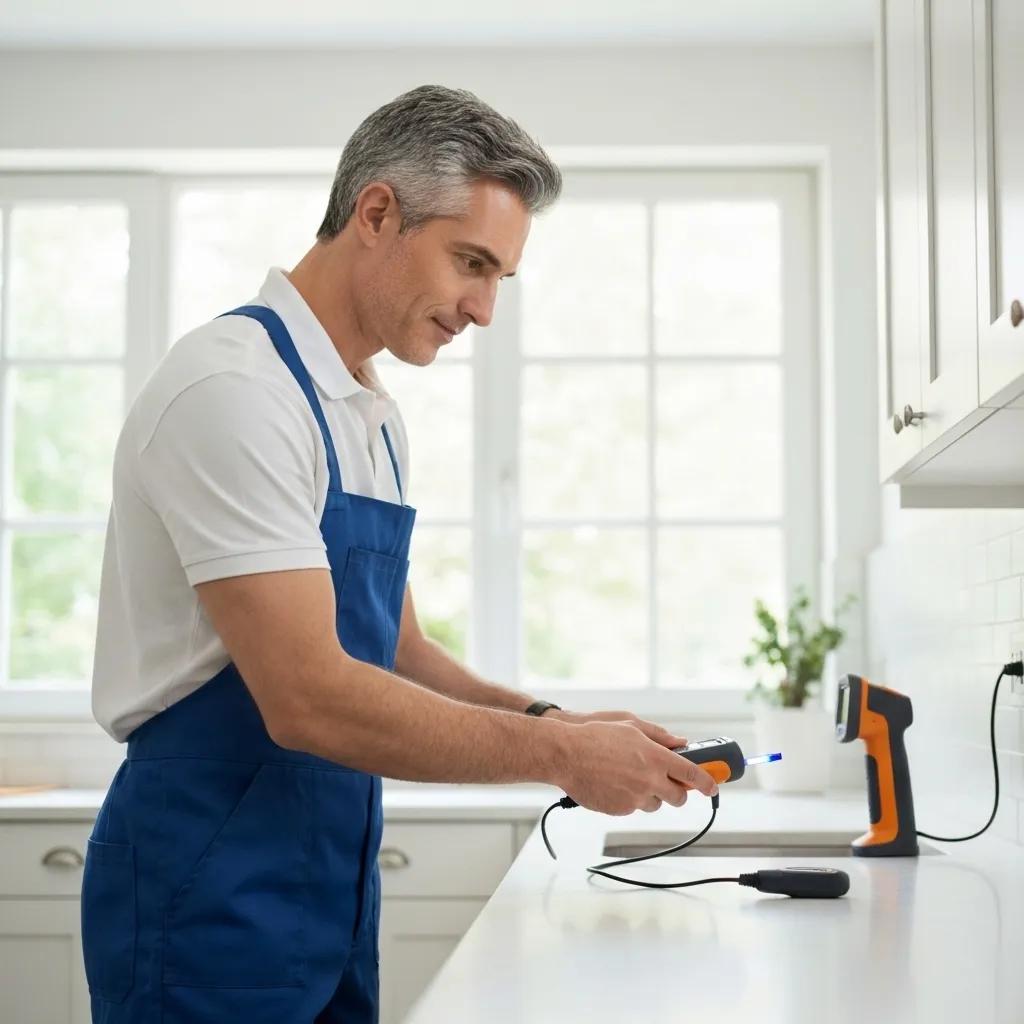
Advanced technologies in professional mold testing include thermal imaging cameras to detect moisture behind surfaces, particle counters for real-time spore measurements, ultrasonic leak detectors, and laboratory-grade chromatography for mycotoxin analysis. These tools provide a multi-layered view of contamination and direct targeted remediation, maximizing the return on assessment investments.
What Unique Mold Challenges Does Florida’s Climate Present?
Florida’s humid climate, high rainfall, and frequent tropical storms create prime conditions for mold proliferation year-round. Warm temperatures accelerate fungal growth, while coastal salt air increases building material permeability. Professional mold assessment services in Florida must account for seasonal moisture swings, strict state guidelines, and local building codes to deliver accurate, compliant inspections.
How Does Florida’s Humid Climate Contribute to Mold Growth?
Florida’s average relative humidity above 60 percent fosters condensation on cold surfaces and interior walls, creating damp niches ideal for fungal colonization. Coastal breezes drive salt–laden moisture into attics and crawl spaces, degrading vapor barriers and insulation. Without rapid moisture management, mold can appear within 24–48 hours of water intrusion.
What Are Florida’s Mold Assessment Regulations and Compliance Requirements?
Florida mandates licensed mold assessors for inspections exceeding specified square footage or involving litigation. State regulations require detailed sampling plans, written inspection reports, and adherence to Florida Administrative Code mold remediation standards. Certified assessors document chain-of-custody procedures and submit reports that support regulatory compliance.
How Can You Find Affordable and Certified Mold Testing Services in Florida?
To find affordable and certified mold testing services in Florida, verify state licensure, IICRC or ACAC certification, and look for providers offering package pricing for combined assessment and post-remediation inspections. Seek companies that include moisture mapping and infrared scanning in their base fee and provide clear cost breakdowns to avoid hidden surcharges.
How Does Mold Assessment Provide Peace of Mind for Different Audiences?
Professional mold assessment delivers peace of mind by supplying factual data, expert guidance, and documented proof of safe environments. Homeowners and renters gain confidence in their living spaces, real estate professionals protect investments, and property managers or legal professionals secure defensible reports for risk mitigation.
What Benefits Do Homeowners and Renters Gain from Mold Testing?
Homeowners and renters benefit from mold testing through improved health outcomes, reduced allergy triggers, and a documented clean bill of health for their residence. Clear remediation plans remove guesswork, while air-quality verification reassures families that living areas meet safety thresholds.
How Do Real Estate Professionals Use Mold Assessment to Protect Investments?
Real estate professionals use mold assessment reports to strengthen listings, reduce the risk of deal fall-throughs, and negotiate favorable terms with buyers and sellers. Pre-listing inspections differentiate properties and build trust, leading to quicker sales and minimized liability.
How Can Property Managers and Legal Professionals Mitigate Risks with Mold Assessments?
Property managers and legal professionals mitigate legal and financial risks by obtaining objective mold assessment documentation for tenant disputes, insurance claims, and compliance audits. Detailed findings support resolution of maintenance claims and reinforce contractual obligations for healthy premises.
What Are the Signs That Indicate You Need an Affordable Mold Assessment?
Visible mold patches and musty odors are obvious signals to schedule testing, but hidden problems often lurk in areas governed by high humidity or past water damage. Recognizing subtle indicators—staining on ceilings, recurrent allergy symptoms, and unexplained health complaints—can prompt timely inspections and avert severe contamination.
What Common Mold Indicators Should Homeowners Watch For?
Homeowners should watch for dark spots on walls, peeling paint, warped flooring, and persistent musty smells. Sharp increases in allergy symptoms indoors, condensation on windows, and past flooding events also suggest the need for professional sampling.
How Can Mold Assessment Detect Hidden Mold Before It Becomes a Problem?
Mold assessment detects hidden mold by combining infrared thermal imaging with moisture meters to locate damp substrates. Spore trap sampling in suspected areas quantifies fungal levels, even behind drywall or under carpets, enabling remediation before visible growth takes hold.
When Is Post-Remediation Mold Testing Necessary?
Post-remediation mold testing is necessary after remediation work to confirm that spore counts have returned to baseline levels and that water intrusion issues have been resolved. A clearance inspection and air sampling report ensure the environment is safe for reoccupation and that remediation goals have been met.
How Does Affordable Mold Testing Improve Overall Indoor Environmental Quality?
Affordable mold testing enhances indoor environmental quality by reducing airborne allergens, eliminating mold odors, and guiding targeted moisture control strategies. A thorough assessment identifies contamination hotspots and informs improvements in ventilation, humidity management, and HVAC filtration—transforming living spaces into healthier environments.
What Role Does Mold Assessment Play in Enhancing Indoor Air Quality?
Mold assessment identifies spore concentrations and mycotoxin sources that compromise indoor air quality. By pinpointing areas of high contamination, inspectors recommend HEPA-filtered purification systems and humidity setpoints below 50 percent, resulting in lower particulate counts and fewer airborne irritants.
How Can Mold Testing Reduce Health Risks Associated with Poor Indoor Environments?
Mold testing reduces health risks by guiding removal of allergenic and toxic species, sealing moisture pathways, and verifying clean air levels post-remediation. This process cuts down on respiratory flare-ups, chronic sinusitis episodes, and systemic inflammatory responses linked to prolonged mold exposure.
What Preventative Measures Follow a Professional Mold Assessment?
After a professional mold assessment, common preventative measures include repairing leaks, installing dehumidifiers, improving attic and crawl-space ventilation, applying mold-resistant paints, and scheduling routine humidity checks. These actions maintain safe environments and prevent recurrence of fungal growth.
What Are the Most Frequently Asked Questions About Affordable Mold Assessment Services?
What Is the Average Cost of Mold Testing in Florida?
The average cost of mold testing in Florida ranges from $250 to $600 for a basic inspection and sample analysis. Comprehensive packages that include infrared scanning, moisture mapping, and post-remediation clearance typically run between $500 and $1,200 depending on property size.
Is Mold Testing Worth the Investment for Homeowners?
Yes, mold testing is worth the investment for homeowners because it prevents large-scale remediation expenses, avoids potential health bills, and preserves up to 37 percent of property resale value that might otherwise be lost to undisclosed mold issues.
How Long Does a Professional Mold Assessment Take?
A professional mold assessment typically takes two to four hours, including visual inspection, sampling, and moisture measurement. Additional time may be required for complex structures or multiple sampling zones.
How Soon Can Mold Be Detected After Water Damage?
Mold can begin to grow and be detected within 24 to 48 hours after water damage. Prompt sampling within this window provides the best chance to contain contamination and prevent widespread colonization.
How Can You Schedule an Affordable Mold Assessment Service Today?
Scheduling an affordable mold assessment service begins with a brief intake call to discuss property type, past water incidents, and target areas. A certified assessor will visit your home, conduct a visual and instrument inspection, collect samples, and deliver a detailed report within 48–72 hours—with remediation recommendations and cost estimates.
What Should You Expect During Your First Mold Inspection Appointment?
During your first mold inspection appointment, the assessor will review your concerns, inspect moisture sources, perform thermal imaging scans, collect air and surface samples, and explain findings on-site. You will receive an itemized scope of work and an estimated plan for remediation steps.
How to Choose a Trusted Mold Assessment Provider in Florida?
Choose a trusted mold assessment provider in Florida by confirming state licensure, IICRC or ACAC certification, years of specialized experience, and transparent pricing. Look for companies that include moisture mapping, infrared scanning, and post-remediation clearance in their services.
What Are the Next Steps After Receiving Your Mold Assessment Report?
After receiving your mold assessment report, review prioritized remediation recommendations, obtain contractor bids, schedule remediation work, and plan for post-remediation clearance testing. Following these steps ensures a healthy, mold-free environment and protects your investment long term.
Affordable mold assessment services deliver substantial health, financial, and environmental benefits by detecting hidden fungal growth early, guiding precise remediation, and verifying safe air quality. Investing in professional testing prevents costly structural repairs, reduces medical risks, and maintains property value—and doing so affordably brings peace of mind to homeowners, renters, real estate professionals, and legal experts alike.
Conclusion
Affordable mold assessment services deliver substantial health, financial, and environmental benefits by detecting hidden fungal growth early, guiding precise remediation, and verifying safe air quality. Investing in professional testing prevents costly structural repairs, reduces medical risks, and maintains property value—and doing so affordably brings peace of mind to homeowners, renters, real estate professionals, and legal experts alike. Take the proactive step towards a healthier living environment by scheduling your mold assessment today. Explore our certified services to ensure your home remains safe and mold-free.